




A New Definition of Health
The primary driver behind this trend is a fundamental shift in health consciousness, particularly among Millennial and Gen Z consumers. For this generation, wellness is no longer just about avoiding illness; it's a proactive lifestyle choice. This mindset,
amplified in a post-pandemic world, has led to a greater awareness of how diet impacts long-term health, immunity, and daily energy levels. Young Indians are moving away from mindless indulgence towards mindful consumption. They're increasingly wary of highly processed foods laden with sugar and unhealthy fats, creating a surge in demand for snacks that do more than just satisfy a craving. This isn't about giving up snacks, but about making smarter choices, often replacing traditional meals with smaller, more frequent, and more nutritious bites.
The Age of the Educated Consumer
Smartphones and endless data have created the most informed generation of consumers ever. Young Indians are no longer passive recipients of marketing; they are active researchers. A recent report found that a significant majority of young consumers now read nutritional labels before buying a snack. They are looking for keywords like 'natural', 'high-protein', 'baked not fried', and 'no added sugar'. Ingredient transparency has become a critical factor, with many ranking it higher than celebrity endorsements when choosing a brand. This scrutiny has given rise to the demand for “clean labels”—products with short, simple, and recognisable ingredient lists. Consumers want to know what's in their food and where it comes from, and they are willing to pay a premium for that assurance.
The Rise of New-Age Brands and Ingredients
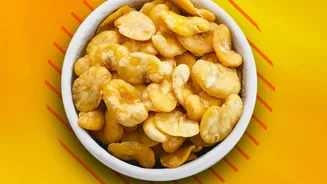
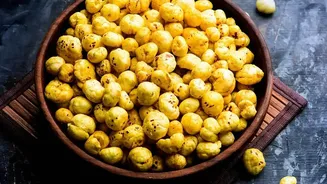
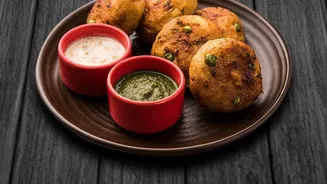
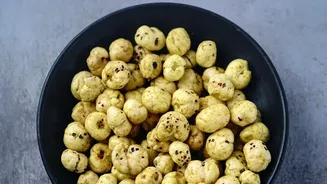
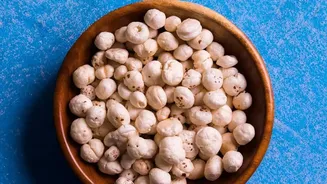
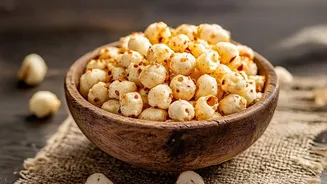
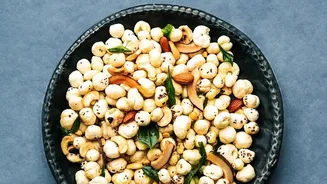
This consumer demand has fuelled a boom in the healthy snacks market in India, which is growing at a faster rate than the global average. A wave of direct-to-consumer (D2C) and challenger brands has entered the market, offering innovative products that cater specifically to this new-age snacker. They are reinventing traditional Indian ingredients for a modern audience. Makhana (fox nuts), once a fasting staple, is now a mainstream alternative to potato chips, available in a variety of flavours. Millets like jowar and ragi are being used to make chips, puffs, and crackers, while nuts and seeds are being packaged as convenient, protein-rich, on-the-go options. Even traditional namkeens are getting a makeover, with baked, roasted, or air-fried versions replacing their deep-fried counterparts.
Convenience and Digital Influence
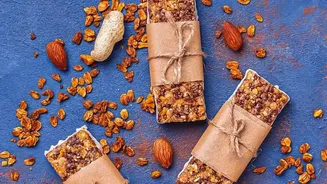
Compressed urban lifestyles demand convenience, but not at the cost of health. Young professionals with hectic schedules need snacks that are both nutritious and easy to consume on the go. This has driven the popularity of products like granola bars, protein balls, and portion-controlled nut mixes. The rise of quick-commerce apps has made these options more accessible than ever. Social media also plays a dual role. While it can promote unhealthy food trends, it is also a powerful tool for discovery and education. Health influencers and food bloggers introduce young audiences to new products, healthy recipes, and different wellness philosophies, shaping their tastes and purchasing decisions. For many, a snack also needs to be visually appealing, making it worthy of a social media post, which further fuels the cycle of trends.