



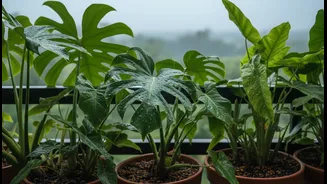


Why Monsoon Changes the Watering Game
During dry summer months, water evaporates quickly from soil and leaves. But when the monsoon arrives, the air becomes saturated with moisture. This high humidity slows down evaporation from the potting mix and reduces the rate at which plants release
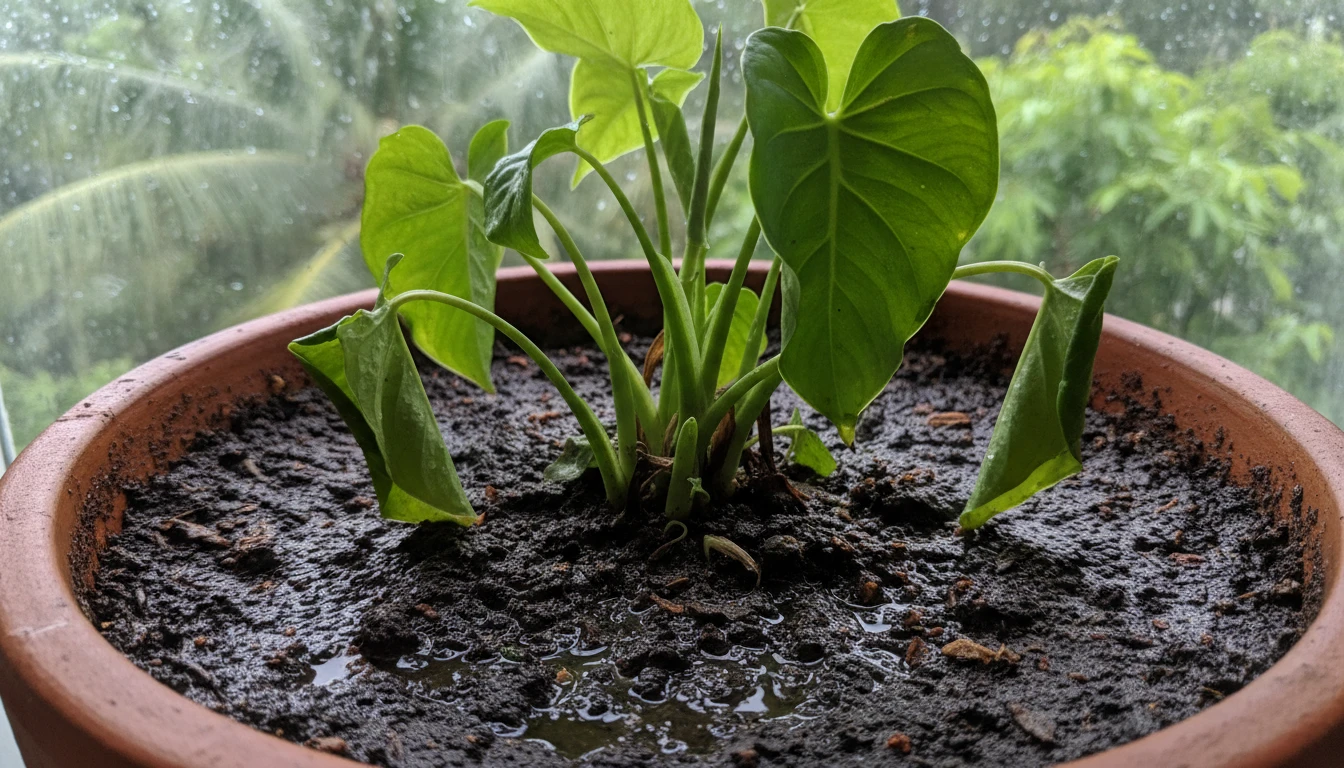
water through their leaves, a process called transpiration. As a result, the soil stays wet for much longer. Continuing with a summer watering schedule is one of the biggest mistakes a plant parent can make, as it quickly leads to waterlogged soil that suffocates the plant's roots. They simply don't need as much water as you think.
The Dangers of a Waterlogged Pot
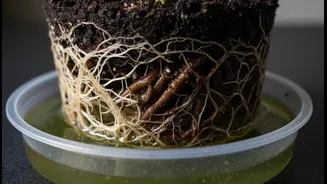
The number one killer of indoor plants is often too much care, specifically overwatering. When roots sit in soggy soil, they are deprived of oxygen and begin to decay, a condition known as root rot. This is the most serious consequence of overwatering. You might notice a musty or sour smell from the pot, a clear sign of trouble. These damp, low-oxygen conditions are also a perfect breeding ground for fungal diseases and pests like fungus gnats, which lay their eggs in moist topsoil.
Abandon the Schedule, Trust the Touch Test
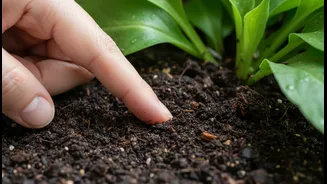
The most important shift to make during the monsoon is to stop watering on a fixed schedule. Instead, check your plants individually. The 'finger test' is your most reliable tool: insert your finger about one to two inches into the soil. If the soil feels moist, do not water. Wait another day or two and check again. Only when the top layer of soil feels dry to the touch should you consider giving your plant a drink. For extra certainty, you can also gauge the weight of the pot; a pot with wet soil will feel significantly heavier than one with dry soil.
Smarter Watering Techniques
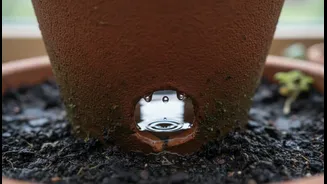
When you do water, do it in the morning. This gives the plant the entire day to use the water and allows any excess surface moisture to evaporate before temperatures drop at night. Direct the water at the soil level, avoiding the leaves, as wet foliage in a humid environment can encourage fungal spots. Ensure every pot has functional drainage holes to let excess water escape freely. After watering, always empty the saucer or tray beneath the pot. Allowing a plant to sit in a tray full of water is a direct invitation for root rot.
Beyond Water: Other Monsoon Care Essentials
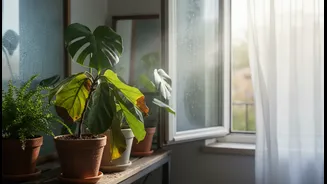
Successful monsoon care isn't just about watering. Good air circulation is crucial to combat high humidity and prevent fungal growth, so open windows when it's not raining or use a fan to gently move air around your plants. Since cloudy skies reduce sunlight, move your plants closer to windows where they can receive as much bright, indirect light as possible. Also, hold back on fertilizing. Most plants slow their growth during this period, and adding fertilizer to already wet soil can burn the roots. Finally, regularly inspect your plants, especially the undersides of leaves, for common monsoon pests like mealybugs and aphids.
How to Spot Trouble Early
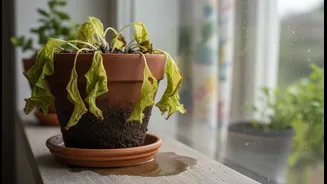
Your plants will give you signs if they are unhappy. The classic sign of overwatering is yellowing leaves, especially the lower ones, that feel soft or mushy. A plant might also wilt even when the soil is wet; this is counterintuitive, but it happens because the rotting roots can no longer absorb water. On the other hand, an underwatered plant's leaves will feel dry and crispy. Brown leaf tips can also be a sign of overwatering. Catching these symptoms early gives you the best chance to correct your care routine and save your plant.