


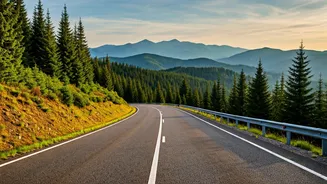
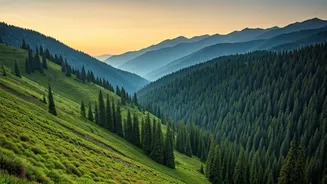


The Great Escape from Sizzling Cities
Forget the traditional 'off-season'—this monsoon, hill stations across Himachal Pradesh and Uttarakhand are the new hotspots. As plains dwellers seek respite from scorching pre-monsoon temperatures, destinations like Shimla, Manali, and Mussoorie are seeing
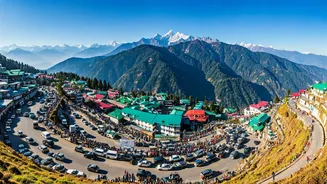
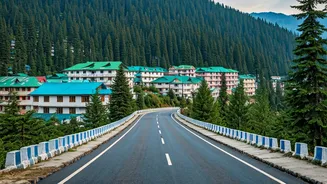
a massive influx of visitors. In late May, Shimla was already so choked with vehicles that authorities had to divert traffic. One hospitality chain reported a staggering 76% year-on-year increase in mountain bookings for June, with Shimla leading the pack. This surge isn't just about escaping the heat; it's a fundamental shift in travel patterns. Pleasant weather, pre-monsoon showers, and the promise of clean air are drawing tourists in droves, with hotel occupancy rates crossing 80-90% on weekends. For many, the cool, green hills offer a much-needed break from city pollution and temperatures touching 50 degrees Celsius.
From 'Off-Season' to 'In-Season'
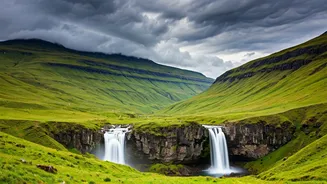
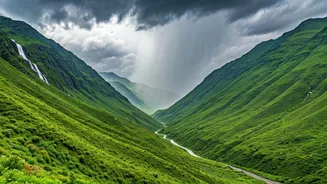
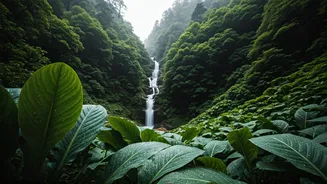
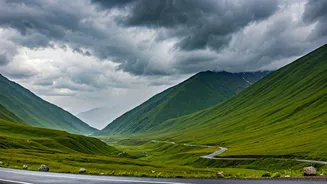
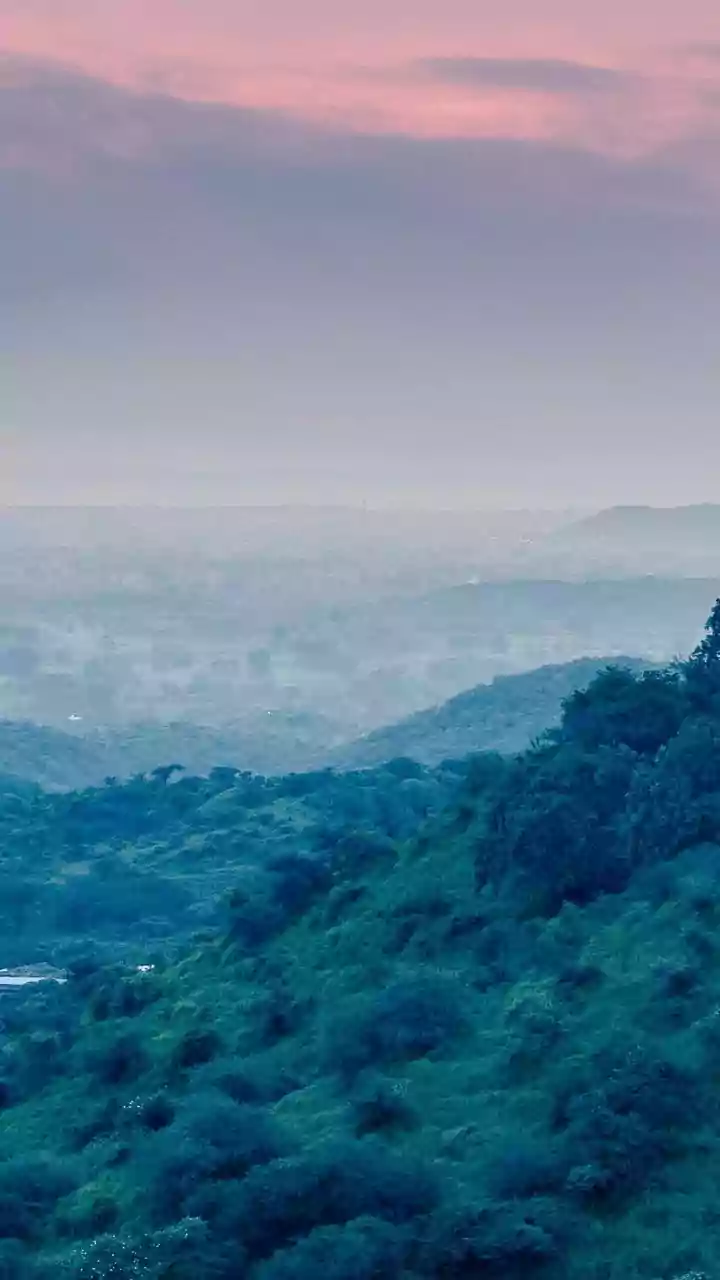
What was once a quiet shoulder season is now buzzing with activity. Several factors are fueling this shift. The rise of remote work and flexible schedules allows people to travel more spontaneously, with data showing nearly half of all mountain bookings are made within three days of departure. Social media also plays a significant role, with images of misty valleys, gushing waterfalls, and scenic cafes creating a powerful allure. Furthermore, many travelers are now actively avoiding the peak summer rush, opting for the monsoon when they hope for fewer crowds and better deals. This has transformed the monsoon from a travel obstacle into a desirable experience, where the rain itself—and the lush, green landscapes it creates—is part of the main attraction.
Paradise Under Pressure
While the tourism boom brings economic benefits, it is placing immense strain on the fragile Himalayan ecosystem and its infrastructure. Roads in popular destinations are choking with traffic, leading to gridlock that can stretch for kilometres. This isn't just an inconvenience; it points to a larger issue of carrying capacity. These hill towns, many of which were designed in a different era, are struggling to cope with a seasonal population that can be five to ten times larger than the number of permanent residents. This leads to pressure on essential resources like water, and a massive increase in waste generation that local systems cannot handle. The very peace and pristine nature that tourists seek are being threatened by the sheer volume of visitors.
The Monsoon's Perilous Edge
Traveling to the hills during the monsoon also carries inherent risks that are becoming more pronounced. Heavy rainfall, a regular feature of the season, is increasingly leading to landslides and flash floods, which can cut off major highways for days. In June 2026, heavy rains have already triggered landslides in northeastern states like Meghalaya and Arunachal Pradesh, completely severing key tourist routes and prompting official travel advisories. Authorities in the Himalayan region are investing in advanced technologies like satellite monitoring to create early warning systems for landslides. However, these risks underscore a dangerous convergence: the peak tourist season is now overlapping with a period of heightened climate vulnerability, putting both travelers and local infrastructure at greater risk.