





The Allure of a Rain-Washed Paradise
From June to September, the landscape of Coorg, also known as Kodagu, undergoes a dramatic transformation. The southwest monsoon arrives, trading sun-drenched days for a theatre of mist, clouds, and persistent rain. What was once simply green becomes
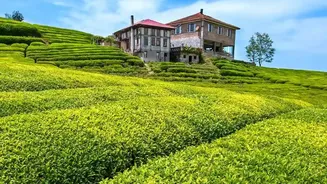
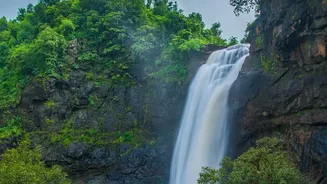
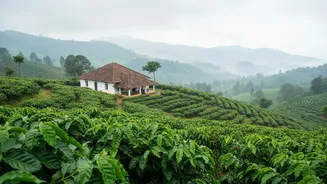
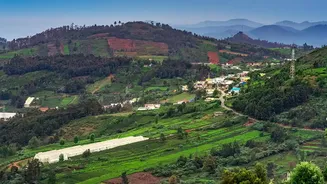
a thousand shades of emerald as coffee and spice plantations drink deeply, their leaves glistening under perpetual moisture. Waterfalls like Abbey and Iruppu, which are modest streams in the dry season, become roaring spectacles. This is the classic “Coorg in monsoon” imagery that is increasingly sought after by photographers, honeymooners, and a growing segment of travellers who prefer atmosphere over itineraries. The air, thick with the scent of wet earth and blossoming flora, offers a sensory escape from the heat and dust of city life.
The Gentle Rise of Slow Travel
The thriving interest in Coorg’s monsoon season is intrinsically linked to the concept of “slow travel.” This is not about ticking off a checklist of sights. Instead, it’s a mindset focused on connection—with nature, with the local culture, and with oneself. Travellers are deliberately choosing the off-season to avoid crowds and experience a more authentic version of the destination. The rain, which limits conventional outdoor activities, becomes a perfect excuse to slow down. The goal shifts from doing to simply being: reading a book on a covered verandah, savouring a hot cup of locally grown coffee, or watching the mist roll through the valleys. This trend has seen a surge as modern travellers increasingly seek peace and wellness over packed schedules.
Life on a Historic Coffee Plantation
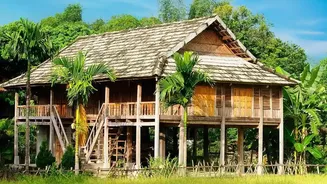
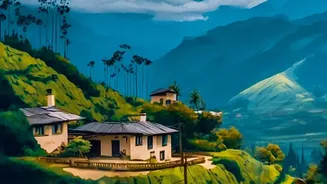
The heart of this experience lies in the unique accommodation: heritage bungalows and homestays set within sprawling, operational coffee estates. Many of these properties, like Old Kent Estates or those managed by Tata Coffee Plantation Trails, have a colonial-era charm, with architecture featuring deep verandahs and period-inspired interiors. A stay here is an immersion. Guests wake up to views of coffee bushes stretching across rolling hills, often shrouded in morning mist. Days are unstructured, but can include guided walks where one learns about the journey of coffee from bean to cup, birdwatching, or simply exploring the verdant trails that crisscross the estate. It’s a quiet, refined form of luxury rooted in the rhythms of plantation life.
Embracing the Monsoon Experience
While the focus is on tranquility, a monsoon trip to Coorg is not without its activities. For the more adventurous, the rain-fed Barapole River offers thrilling white-water rafting opportunities. Treks to peaks like Tadiandamol take on a mystical quality, though trails can be slippery and require caution. However, the primary draw remains the simple pleasures. Enjoying the local Kodava cuisine, which features unique spices and ingredients, is a highlight for many. A visit to a viewpoint like Raja’s Seat in Madikeri offers a breathtaking panorama of mist-filled valleys, even if just for a fleeting moment when the clouds part. The experience is about accepting the weather and finding beauty in it, whether through a scenic drive or listening to the sound of rain on a tiled roof.
A Conscious and Sustainable Choice
Opting for a monsoon trip to Coorg is also a more conscious way to travel. Visiting during the so-called “off-season” helps distribute the economic benefits of tourism more evenly throughout the year, supporting local businesses and homestays. It reduces the pressure on the region's infrastructure, which is often strained during the peak winter months. Many plantation stays are inherently eco-conscious, deeply integrated with the surrounding environment and promoting a connection to the land. For the discerning traveller, a quiet stay on a historic coffee plantation during the monsoon is more than just a vacation; it's a chance to experience Coorg at its most serene, raw, and beautiful, far from the madding crowd.