

The Search for a Healthier Sip
Across cafes and home kitchens, a quiet revolution is brewing. Consumers are increasingly turning away from beverages loaded with artificial syrups, colours, and staggering amounts of sugar. This collective pivot towards wellness and clean-label products
has opened the door for alternatives that deliver flavour without the unhealthy additives. People are reading labels more critically than ever, seeking drinks that not only refresh but also contribute positively to their well-being. This shift isn't just about avoiding the bad; it's about actively choosing the good. Natural ingredients, functional benefits, and authentic taste are now the gold standard, and the beverage industry is taking note.
Hibiscus: Nature’s Ruby-Red Powerhouse
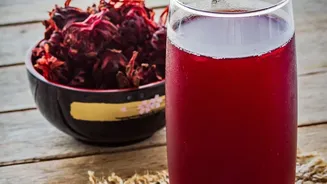
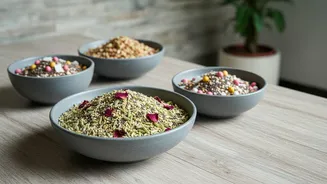
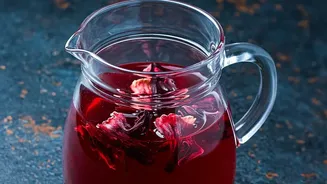
At the heart of this trend is the hibiscus flower, specifically the dried calyces of the Hibiscus sabdariffa plant. For centuries, cultures from West Africa to Mexico have cherished hibiscus for its tart, cranberry-like flavour and stunning deep red hue. Known as 'Agua de Jamaica' in Latin America, this herbal tea is naturally caffeine-free. But its appeal goes far beyond its taste. Hibiscus is packed with powerful antioxidants, including beta-carotene, vitamin C, and anthocyanins, which are responsible for its vibrant colour and help fight cell damage. Studies have suggested that regular consumption may support heart health by helping to lower both blood pressure and cholesterol levels.
The Gentle Art of the Cold Steep
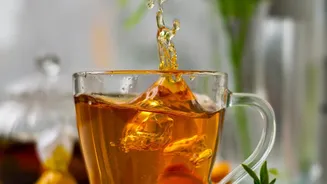
The method of preparation is just as important as the ingredients. Unlike traditional iced tea, which is often brewed hot and then cooled (a process that can release bitter-tasting tannins), slow-steeped tea, or cold brew, uses a gentler approach. The process involves steeping tea leaves or hibiscus flowers in cold or room-temperature water for an extended period, typically from 8 to 24 hours in the refrigerator. This patient method extracts flavour compounds differently, resulting in a drink that is remarkably smooth, naturally sweeter, and less acidic. The result is a cleaner, more nuanced flavour profile that highlights the delicate notes of the tea without any harshness.
A Perfect Pairing of Flavour and Method
Hibiscus and cold brewing are a match made in beverage heaven. The slow, gentle infusion tames the flower's natural tartness, producing a more rounded and mellow flavour profile that requires little to no added sweetener. While hot-brewed hibiscus can sometimes have a sharp edge, the cold brew method yields a drink that is consistently smooth and refreshing. The vibrant, fruity notes of the hibiscus are amplified, creating a complex and satisfying drink that stands on its own. This means you can enjoy a deeply flavourful and colourful tea without resorting to the sugary syrups it aims to replace, making it an ideal choice for a healthy daily hydrator.
How to Embrace the Hibiscus Trend
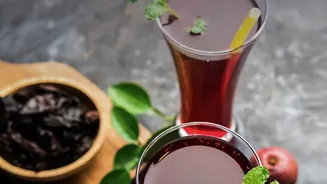
It's easy to enjoy this refreshing trend. Many cafes now offer cold brew hibiscus tea as a standard menu item. When ordering, look for descriptions like "cold brewed" or "slow steeped" to ensure you're getting the real deal. At home, making it is incredibly simple. All you need are dried hibiscus flowers (available online and in many health food or Latin markets), a pitcher, and filtered water. A common ratio is about 1/2 cup of dried flowers to 4 cups of water. Simply combine them in a jar, cover, and let it steep in the refrigerator overnight. In the morning, strain the flowers, and your tea is ready. Enjoy it over ice, or get creative by adding a cinnamon stick, fresh mint, or a squeeze of lime.