



From Flat Paint to Living Finishes
For decades, the ideal apartment wall was a flawless, uniform canvas of emulsion paint. But today, designers and homeowners are rejecting this perfection in favour of walls that feel alive. We’re talking about finishes made from natural materials like
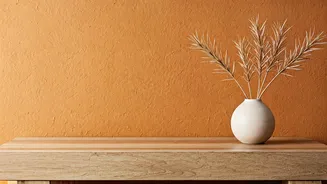
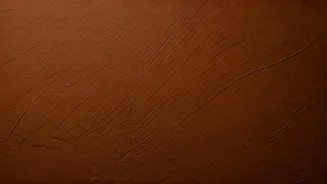
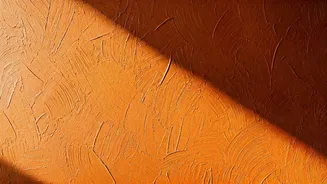
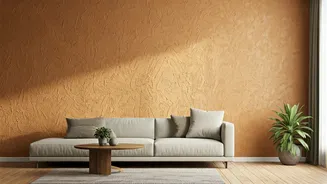
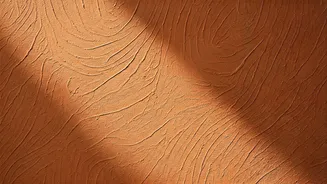
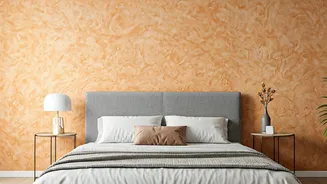
clay, lime wash, and Venetian plaster. Instead of a sterile surface, these create a soft, mottled, and tactile experience. Think of the sun-baked walls of a Mediterranean village or the cool, earthy interiors of a traditional Indian haveli—now reimagined for a contemporary high-rise. This trend isn't about rustic aesthetics alone; it's a sophisticated move towards depth, character, and a sense of history in our most personal spaces. These textured accent walls add a layer of visual interest that a single-colour paint job simply cannot match, creating a focal point that is both dramatic and soothing.
The 'Breathable' Benefit
The appeal of these finishes goes far beyond their looks. The word "breathable" is key. Unlike modern acrylic paints that seal a wall, natural plasters like clay and lime are vapour-permeable. This means they can absorb excess moisture from the air when humidity is high (a common issue in many Indian cities) and release it back when the air is dry. This natural regulation helps create a more comfortable and healthier indoor environment. It can reduce the clammy feeling during monsoons and prevent the growth of mould and mildew. Furthermore, these materials are typically zero-VOC (Volatile Organic Compounds), meaning they don’t release harmful chemicals into the air. In a world where we are increasingly conscious of indoor air quality, choosing a wall finish that actively improves it is a powerful statement.
A Cure for the Concrete Jungle
Living in a bustling city can often feel disconnected from the natural world. This trend speaks to a deep-seated human need for biophilic design—the concept of connecting with nature within our built environments. An earthy, textured wall isn't just a visual element; it’s a sensory one. The subtle variations in colour and the rough-smooth feel under your fingertips provide a calming, grounding effect. It’s a quiet rebellion against the digital screens and synthetic surfaces that dominate our lives. This single design choice can transform a sterile box into a sanctuary, a space that feels nurturing and rooted. The imperfection is the point; the gentle undulations and tonal shifts mimic natural landscapes, providing a restful backdrop to a busy urban life.
Modern Trend, Ancient Roots
While it may seem like a cutting-edge trend, the use of clay and lime plasters is deeply rooted in Indian architectural traditions. From the mud-plastered walls of rural homes, which keep interiors cool, to the gleaming lime 'araish' work found in the palaces of Rajasthan, these materials have been used for centuries for their beauty and functionality. Today’s trend is a contemporary reinterpretation of this heritage. It marries ancient wisdom with modern aesthetics. By bringing these materials into sleek city apartments, we are not just decorating; we are reclaiming a piece of our cultural identity. It’s a nod to sustainable, vernacular architecture that feels both authentic and incredibly chic in a 21st-century context.
Bringing the Earth Home
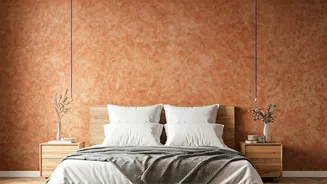
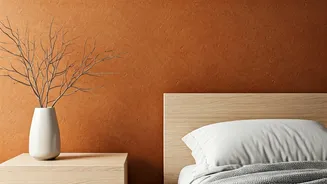
Convinced you need this in your home? There are several ways to achieve the look. Lime wash paint is a great entry point, offering a soft, chalky finish that can sometimes be a DIY project for the brave. However, for more complex textures like authentic clay plaster or tadelakt (a waterproof Moroccan plaster), hiring a skilled artisan is highly recommended. Application is an art form that requires expertise to achieve the desired depth and finish. These finishes work beautifully on a single accent wall—behind a bed, in a living room, or lining a hallway—to create focus without overwhelming the space. They pair wonderfully with natural materials like wood, jute, and linen, amplifying the organic, serene vibe. Colours tend to stay within an earthy palette of terracotta, ochre, sand, and muted greens, enhancing the connection to nature.