





1. The Rise of the Digital Guru
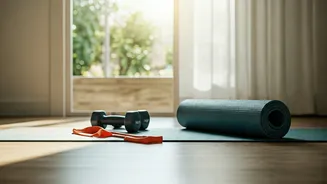
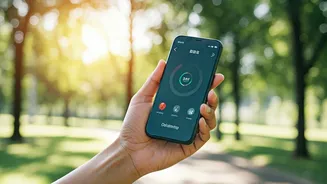
The single biggest driver of the no-gym trend is in your pocket. Smartphones have become portable personal trainers, with fitness apps offering everything from high-intensity interval training (HIIT) to guided meditation. Indian and international apps have seen
a massive surge in subscribers, offering tailored workouts that can be done in a living room with minimal to no equipment. YouTube has also minted a new generation of fitness creators who provide free, high-quality workout videos. This digital accessibility has democratised fitness, removing the barriers of cost and travel time that once kept many people from starting their journey.
2. Rediscovering Ancient Wisdom
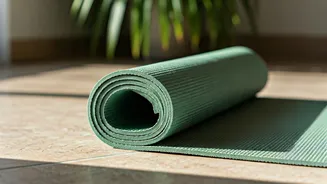
Why look for new trends when ancient practices offer a holistic solution? There is a renewed and growing appreciation for yoga, not just as a form of physical exercise but as a practice for mental and spiritual well-being. Beyond yoga, elements of traditional Indian physical culture, like exercises practiced in akharas using gada (mace) and bodyweight movements, are finding a modern audience. These practices emphasise functional strength, flexibility, and discipline, offering a powerful alternative to machine-based workouts and connecting people to a deeper cultural heritage.
3. The Power of Bodyweight
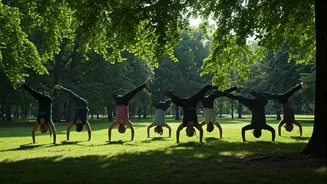
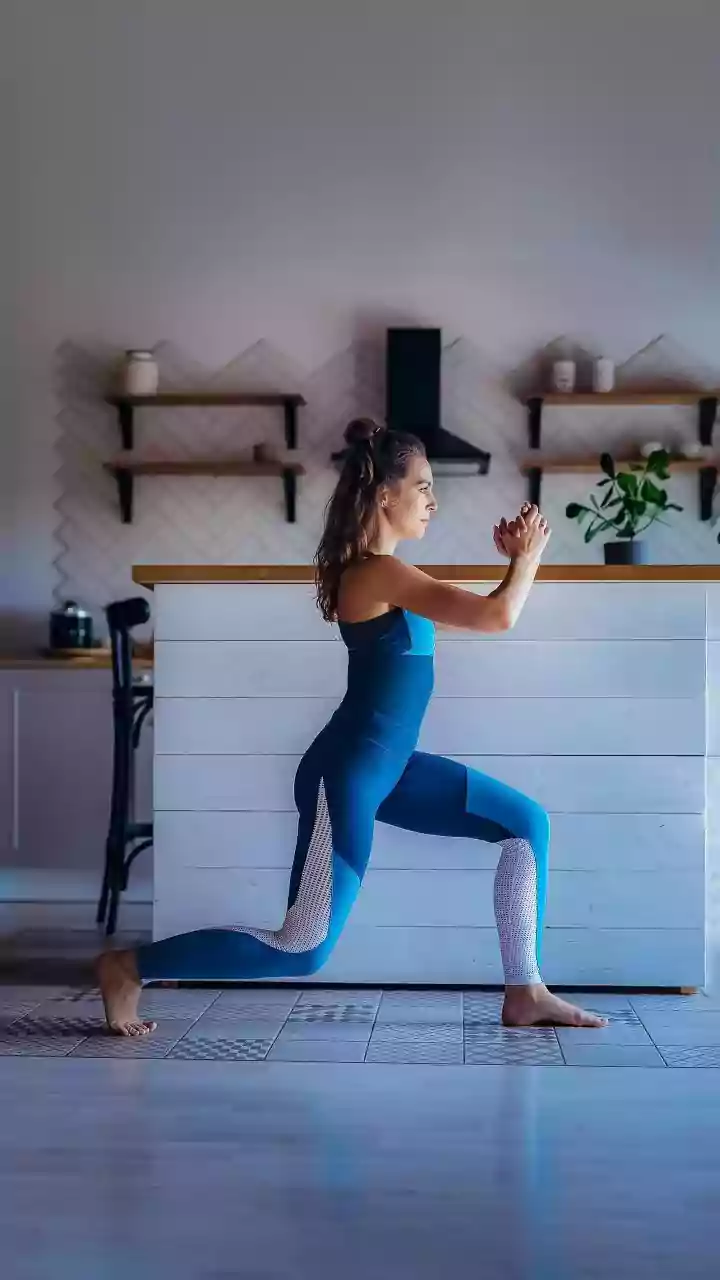
The simplest gym is the one you carry with you every day: your own body. Calisthenics and bodyweight training are gaining immense popularity due to their sheer effectiveness and simplicity. From basic push-ups, squats, and planks to more advanced movements, these exercises build functional strength, improve posture, and enhance mobility without needing a single dumbbell. The appeal is obvious—it's free, can be done anywhere, and the progressive nature of the exercises ensures you are always challenged. It’s a return to basics, proving that you don’t need complex equipment to achieve incredible fitness results.
4. Taking Fitness Outdoors
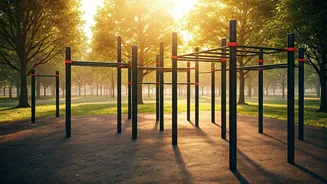
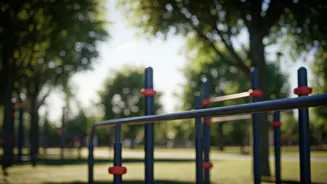
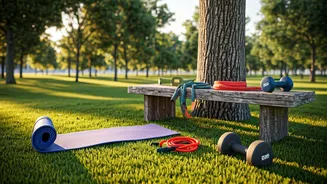
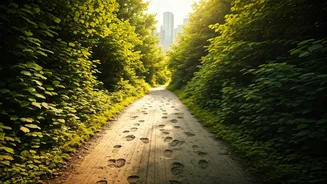
India's parks, waterfronts, and even quiet residential streets are transforming into open-air fitness arenas. The running and cycling boom is perhaps the most visible aspect of this trend. Major cities now host dozens of running groups that meet in the early mornings, providing motivation and a strong sense of community. This isn't just about marathon training; it's about social connection, exploring one's city on foot, and getting a dose of fresh air. Outdoor boot camps and group exercise classes in public parks are also becoming a common sight, blending the benefits of a guided workout with the joy of being in nature.
5. The Community Connection
Perhaps the most significant shift is the move from the anonymous, transactional environment of some large gyms to the supportive embrace of a community. Whether it's a neighbourhood walking group, a WhatsApp group for a local cycling club, or an online fitness challenge, people are finding motivation in shared goals. This social fabric makes fitness a sustainable habit rather than a chore. Accountability comes not from a monthly payment but from a friend waiting for you at the park, making the entire experience more enjoyable and far more likely to stick in the long run.