








Why Your Gut Needs a Break
According to both modern science and ancient Ayurveda, the monsoon season is when our digestive system is at its most vulnerable. The high humidity in the air slows down our metabolic rate and weakens our 'agni' or digestive fire. This makes it harder
for the body to break down heavy, complex foods. Furthermore, the damp environment is a breeding ground for bacteria and viruses, increasing the risk of water-borne and food-borne infections like diarrhoea, indigestion, and jaundice. This is why you might feel more bloated, lethargic, or prone to stomach upsets during these months. The return to basics is a direct response to this seasonal challenge, prioritizing foods that are easy on the gut and boost immunity.
Go Light, Warm, and Cooked
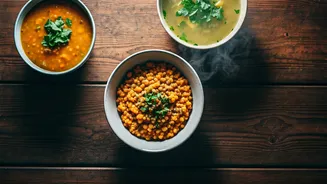
The golden rule of a monsoon diet is to keep it light. Swap heavy, oily curries and rich meals for simple, nourishing, and warm preparations. Think less raw, more cooked. Raw vegetables and salads, while healthy, can be difficult to digest during this time and may carry microbes. Instead, embrace steamed, boiled, or lightly sautéed vegetables. This is the season for comforting bowls of moong dal khichdi, thin vegetable stews, and warm soups. These dishes are not only pre-digested by the cooking process, making them easy for your gut to handle, but their warmth also helps stoke the digestive fire, keeping your system running efficiently.
The Power of Kitchen Spices
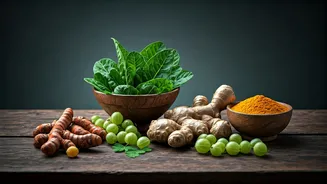
Indian kitchens have always been a treasure trove of medicinal spices, and their power is most needed during the monsoon. These are not just for flavour; they are potent immunity-boosters and digestive aids. Turmeric (haldi) is a powerful anti-inflammatory and antiseptic. Ginger (adrak) is excellent for digestion and fighting off colds and coughs. A pinch of asafoetida (hing) can prevent bloating and gas, while black pepper (kali mirch) improves nutrient absorption and has antibacterial properties. Incorporating these spices into your daily cooking—in dals, sabzis, and herbal teas—is a simple, effective way to fortify your body's defences against seasonal ailments.
Choose Your Produce Wisely
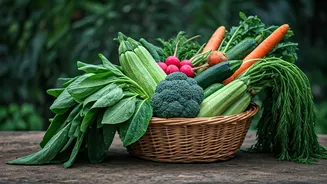
Not all vegetables are created equal, especially in the monsoon. Traditionally, it's advised to be cautious with leafy greens like spinach and cabbage. Since they grow close to the ground, they can be laden with mud, grime, and microbes that are hard to wash off. If you do eat them, ensure they are blanched in hot water before cooking. The real stars of the season are gourds. Vegetables like bottle gourd (lauki), ridge gourd (tori), snake gourd (chichinda), and bitter gourd (karela) are light, full of fibre, and easy to digest. They have a high water content and are packed with essential nutrients. Similarly, opt for seasonal fruits like jamun, pomegranate, and pears, which are rich in antioxidants.
What to Reduce or Avoid
Just as important as knowing what to eat is knowing what to avoid. First on the list is street food, especially items like chaat and fried snacks, which have a higher risk of contamination from unclean water or handling. Cut back on heavy dairy products like cheese and full-fat cream, as they are difficult to digest. Red meat and certain types of fish should also be consumed sparingly. Fermented foods like idli and dosa can be eaten, but preferably freshly made and not from batter that has been sitting for too long, as the humidity can accelerate spoilage. Finally, avoid fizzy drinks and excessively cold beverages, which can further dampen the digestive system. Stick to warm water, herbal teas, or warm soups to stay hydrated.