


Immediate Action: Damage Control
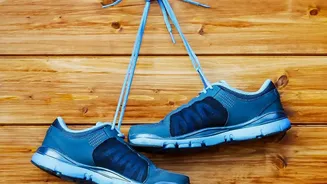
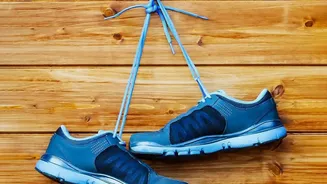
The moment you walk through the door with drenched shoes, the clock starts ticking. The first hour is crucial to prevent long-term damage. Start by removing your shoes immediately. If they are caked in mud, give them a gentle rinse or wipe-down. Next,
take out the insoles and loosen the laces as much as possible. This opens up the shoe, allowing air to circulate freely and letting all the components dry separately and more thoroughly. Propping the tongue open will also significantly speed up the initial airing-out process.
The Newspaper Method: An Old-School Hero
The age-old trick of using newspaper is not just a myth; it's scientifically effective. Newspaper's absorbent cellulose fibres are exceptionally good at wicking moisture away from shoe interiors. Crumple sheets of newspaper into loose balls and stuff them firmly inside each shoe, making sure to reach the toe area. For very wet shoes, you can also wrap the outside in newspaper or a towel. Check the paper after a few hours; if it feels damp, replace it with a fresh batch. This step is vital because it continuously draws moisture out, rather than letting the shoe sit in a damp environment. Be mindful that heavy ink on some newspapers can transfer, so consider using unprinted sections for light-coloured shoes.
Location, Location, Location
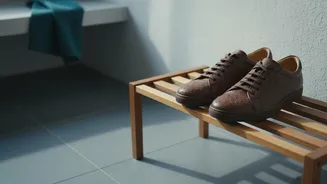
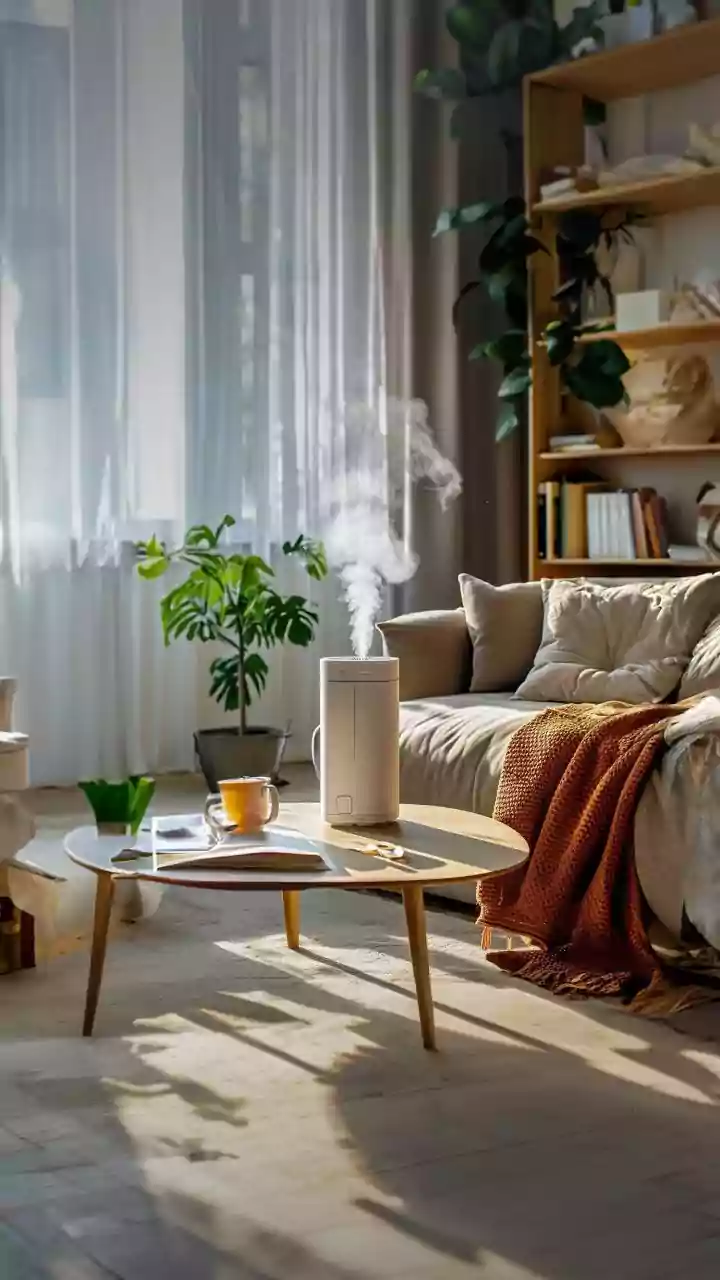
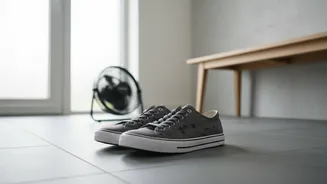
Where you let your shoes dry is as important as how you dry them. The golden rule is to avoid direct heat at all costs. Placing shoes near a radiator, fire, or using a hairdryer can seem like a quick fix, but it's disastrous for most materials. High heat can cause leather to crack and become brittle, adhesives to melt, and synthetic materials to warp. Instead, find a spot with good air circulation at room temperature. An area near a fan (not pointing directly at the shoe, but circulating air in the room) is ideal. Placing shoes on their side on an absorbent mat can also help the soles dry at the same rate as the uppers. In highly humid monsoon weather, a room with a dehumidifier is your best ally.
Material Matters: A Custom Approach
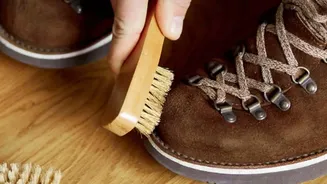
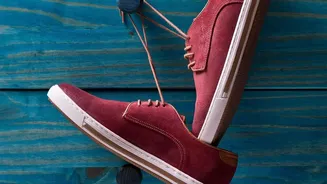
Not all shoes are created equal, and different materials require specific care. For expensive leather shoes, inserting cedar shoe trees is an excellent alternative to newspaper as they absorb moisture while perfectly maintaining the shoe's shape. Once dry, leather needs its oils replenished with a quality conditioner to prevent cracking. Suede is particularly delicate. After blotting excess moisture, allow it to air dry completely away from sunlight. Once dry, a special suede brush is needed to restore the fuzzy texture, or 'nap'. For canvas sneakers and athletic shoes, the newspaper and fan method works wonders. Their robust construction means they are generally more forgiving, but they still benefit from removing the insoles and drying them thoroughly to prevent a musty smell.
The Final Touch: Banishing Odours
Even after a thorough drying, a lingering damp smell can persist. This is caused by bacteria that thrive in moist environments. To combat this, ensure your shoes are bone-dry before wearing or storing them. If an odour remains, sprinkling a small amount of baking soda inside the shoe and leaving it overnight can work wonders. The baking soda absorbs residual moisture and neutralises smells. Simply tap it out in the morning. Another option is using activated charcoal inserts or cedar balls, which naturally absorb both moisture and odour. Rotating between at least two pairs of shoes during the monsoon also gives each pair adequate time to dry out completely, which is the single best way to prevent smells from developing.