





The Real Cost of 'New'
Our modern lifestyle encourages a culture of disposability, where replacing items seems more convenient than fixing them. This has a significant environmental price. India is one of the world's largest generators of e-waste, with a massive volume of discarded
electronics ending up in landfills. Manufacturing new products consumes vast amounts of energy and natural resources, from mining metals to producing plastics, all of which contribute to pollution and carbon emissions. Beyond the environmental toll, there are hidden financial costs to constant replacement, including delivery charges, installation fees, and the disposal costs for your old unit. Choosing to repair extends the life of your belongings, directly reducing landfill burden and conserving the valuable resources used to make them in the first place.
When to Repair vs. Replace: A Practical Guide
Deciding whether to fix a broken item isn't always straightforward, but a few guidelines can help. A widely used benchmark is the "50% rule": if a repair costs more than half the price of a new replacement, it's generally better to replace the item. For instance, if a new washing machine costs ₹30,000 and a repair is quoted at ₹18,000, replacement makes more financial sense. Another key factor is the appliance's age. If an item is near the end of its typical lifespan—around 10-15 years for a refrigerator or 8-12 for a washing machine—investing in a major repair might only be a temporary solution. However, if the item is relatively new and the repair is for a minor, isolated component, fixing it is almost always the more economical and sensible choice.
The Growing 'Right to Repair' Movement
Consumers are often frustrated by manufacturers who make products difficult or expensive to fix. The 'Right to Repair' movement is a global response, advocating for laws that require companies to make spare parts, repair manuals, and diagnostic tools available to independent technicians and the public. India has taken significant steps in this direction. In 2022, the government launched a 'Right to Repair' portal, aiming to empower consumers and reduce e-waste. The framework initially covers sectors like farming equipment, mobile phones, consumer durables, and automobiles. This initiative helps formalize India's vibrant informal repair economy and gives you a better chance to get your devices fixed at a reasonable cost instead of being forced to buy new ones.
Getting Started with DIY Repairs
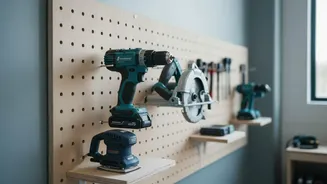
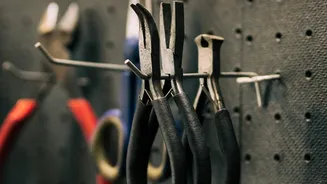
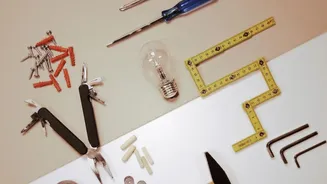
You don't need to be an expert to handle many common household fixes. Many issues that seem catastrophic are surprisingly simple to resolve. Small appliances often fail due to loose connections, clogged filters, or worn-out cords—problems that can be solved with basic tools. Building a simple DIY toolkit with essentials like a multi-bit screwdriver, pliers, wire cutters, and electrical tape can prepare you for many common jobs. For electronics, always unplug the device and remove batteries before you begin. Countless online tutorials can guide you through specific repairs, from fixing a wobbly chair joint with wood glue to replacing a faulty switch on a coffee maker. Starting with small successes builds confidence and saves money.
How to Find a Trustworthy Technician
For complex jobs, you'll need a professional. Finding a reliable repair person is crucial. Start by asking for recommendations from friends, family, and neighbours, as word-of-mouth is often the best indicator of quality service. Check online reviews and look for businesses with a good local reputation to protect. When you contact a shop, ask about certifications to ensure their technicians are properly trained. A trustworthy mechanic or technician will provide transparent diagnostics and fair pricing, building a relationship based on expertise rather than upselling. A clean, organized shop can also be a sign of professionalism. Getting a clear estimate before work begins prevents surprises later on.