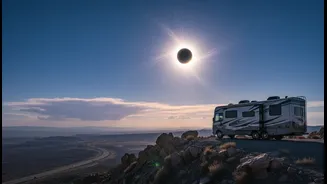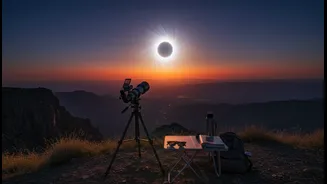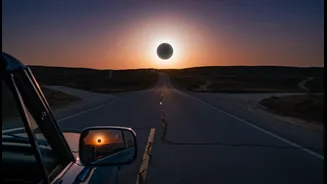



The Unprecedented Gridlock
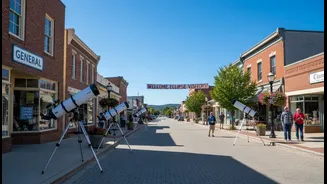
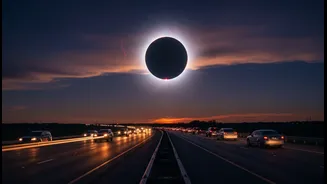
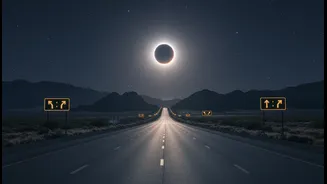
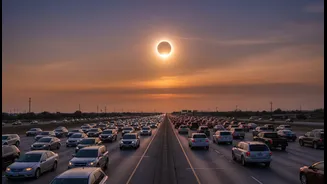
It’s not just a little bit of extra traffic. During the major American eclipses of 2017 and 2024, small towns and rural highways experienced gridlock on a scale they had never seen before. Imagine the population of a major city descending on a remote
area over a 48-hour period. That’s the challenge. For the 2017 eclipse, an estimated 20 million people in the US traveled to the path of totality, the narrow band where the full eclipse is visible. One study found this led to a 31 percent spike in fatal traffic risks. Many travelers stagger their arrivals over a few days, but the departure is a different story. Almost everyone attempts to leave at once, immediately after the few minutes of totality are over. This creates a sudden, massive wave of vehicles overwhelming roads that were never designed for such volume. In 2024, some drivers reported that return trips took twice as long as they should have, with journeys of a few hundred kilometres stretching into 13-hour ordeals overnight.
The One-Day Trip Fallacy
Many people believe they can drive into the path of totality on the morning of the eclipse, watch the show, and drive home. This is the single biggest mistake an eclipse chaser can make. Transportation officials consistently warn that highways will likely become gridlocked hours before the event. For the 2024 eclipse, authorities in New York and Texas warned residents to expect major traffic jams starting the weekend before the Monday eclipse. The advice from state police and transportation departments is nearly universal: arrive early, stay put, and leave late. Attempting a same-day round trip almost guarantees you will experience the eclipse from the driver's seat of a stationary car on a congested highway, missing the serene and immersive experience you traveled for.
Your New Mantra: Arrive Days, Not Hours, Ahead
The golden rule of eclipse travel is to be at your chosen viewing location at least a day—and preferably two—before the event. This strategy allows you to bypass the worst of the incoming traffic. Veteran eclipse chasers and travel experts recommend booking accommodation well in advance, sometimes a year or more, especially for prime viewing locations. For the upcoming August 2026 eclipse in Europe, lodging searches in the path of totality in Spain and Iceland were already up 245% a month beforehand. By arriving early, you transform a stressful travel day into a mini-vacation. You have time to get acquainted with the area, find a great viewing spot without rushing, and relax. Consider camping or staying in a town slightly off the centerline of the eclipse path, where availability might be higher and prices lower.
Stock Up and Settle In
Once you’ve arrived, plan to stay put. The massive influx of people puts a strain on local resources. Supermarkets can run low on food and water, petrol stations can run out of fuel, and restaurants become overwhelmed. Before you get to your final destination, fill up your vehicle's fuel tank and stock up on essentials like food, water, medications, and cash. It’s wise to pack an emergency kit for your car, just in case you do get stuck in traffic later. Having your own supplies means you won't have to venture out into the local congestion and can instead focus on preparing for the celestial show. Don't plan on being able to move your car easily on eclipse day; find your parking spot and prepare to walk.
The Forgotten Gridlock: Leaving After Totality
The eclipse ends, and the instinct is to immediately hit the road. Resist this urge. The post-eclipse exodus is often the worst traffic of all. As one official from the 2024 eclipse noted, arrivals are staggered, but departures are simultaneous. The smartest move is to stay late. Don't just wait 20 minutes; plan to wait for several hours. Treat the post-totality period as part of the experience. Watch the partial eclipse unfold in reverse, have a picnic, or play games with your family. Officials recommend that if you can, delay your departure by a couple of hours or even stay an extra night to let the traffic dissipate. Your patience will be rewarded with a much smoother and less stressful journey home, leaving you with fond memories of the sky, not the traffic.