




Start with a Smarter Mat
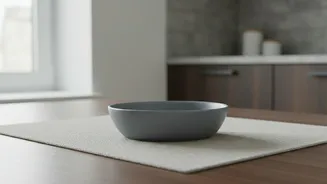
The first line of defense is what you put under the bowls. While an old towel can help, modern pet food mats offer far superior protection. Look for silicone mats with a raised outer lip. This design creates a shallow tray that contains spills and prevents
water from ever reaching your floor. These mats are typically non-slip, which keeps bowls from sliding around during a vigorous meal, and are very easy to wipe clean or rinse in the sink. For extra sloppy drinkers, consider an absorbent placemat designed specifically for pets. These mats soak up water on contact and often have a waterproof backing to prevent moisture from seeping through to the floor below.
Rethink Your Pet's Water Bowl
Not all bowls are created equal. If your pet is a notorious splasher, it might be time for an upgrade. A “no-spill” or “splash-proof” water bowl can be a game-changer. Many of these feature an innovative design where a floating plate rests on the water's surface. Your pet gently presses on the plate to get a drink, which limits the amount of water they can access at once and significantly reduces splashing. Another option is a bowl with a narrowed opening or an inward-curving rim that helps keep water contained. For pets that like to tip their bowls over entirely, a heavier ceramic bowl or a stainless steel bowl with a wide, non-skid base can provide the stability needed to keep it upright.
Elevate the Entire Station
An elevated feeding station, which raises the food and water bowls off the ground, can also contribute to a cleaner, drier area. By bringing the bowls up to a more comfortable height for your pet, you reduce the strain on their neck and joints. This better posture can lead to less messy eating and drinking habits. For large breeds, older pets, or animals with mobility issues, an elevated feeder is particularly beneficial. The sturdy frame of the station helps prevent bowls from being pushed around or knocked over, which is a major cause of spills. Some elevated feeders are even designed with built-in spill guards or are paired with custom-fit mats.
Choose the Right Location
Where you place the feeding station can make a big difference in cleanup. If possible, avoid setting up on sensitive surfaces like hardwood or carpet, which can be permanently damaged by repeated exposure to moisture. Ideal locations include rooms with water-resistant flooring, such as a kitchen, laundry room, or mudroom with tile, vinyl, or laminate floors. If you must use a space with wood floors, using a high-quality waterproof mat is non-negotiable. Placing the station in a low-traffic corner can also help prevent it from being accidentally kicked or bumped.
Create a Contained Feeding Zone
For the messiest of pets, you may need to think beyond just a mat. A simple and effective DIY solution is to use a large boot tray. These trays have high sides designed to contain melted snow and mud, making them perfect for corralling even the most enthusiastic splashes. Simply place the mat and bowls inside the tray. For a more built-in look, some owners create a dedicated feeding nook or a custom-built, low-walled enclosure. This approach physically contains the mess to one easy-to-clean spot, protecting the rest of your home from wandering water and scattered kibble.