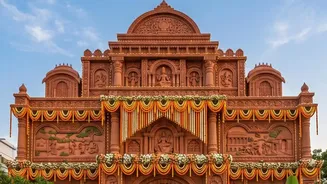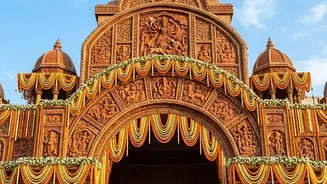


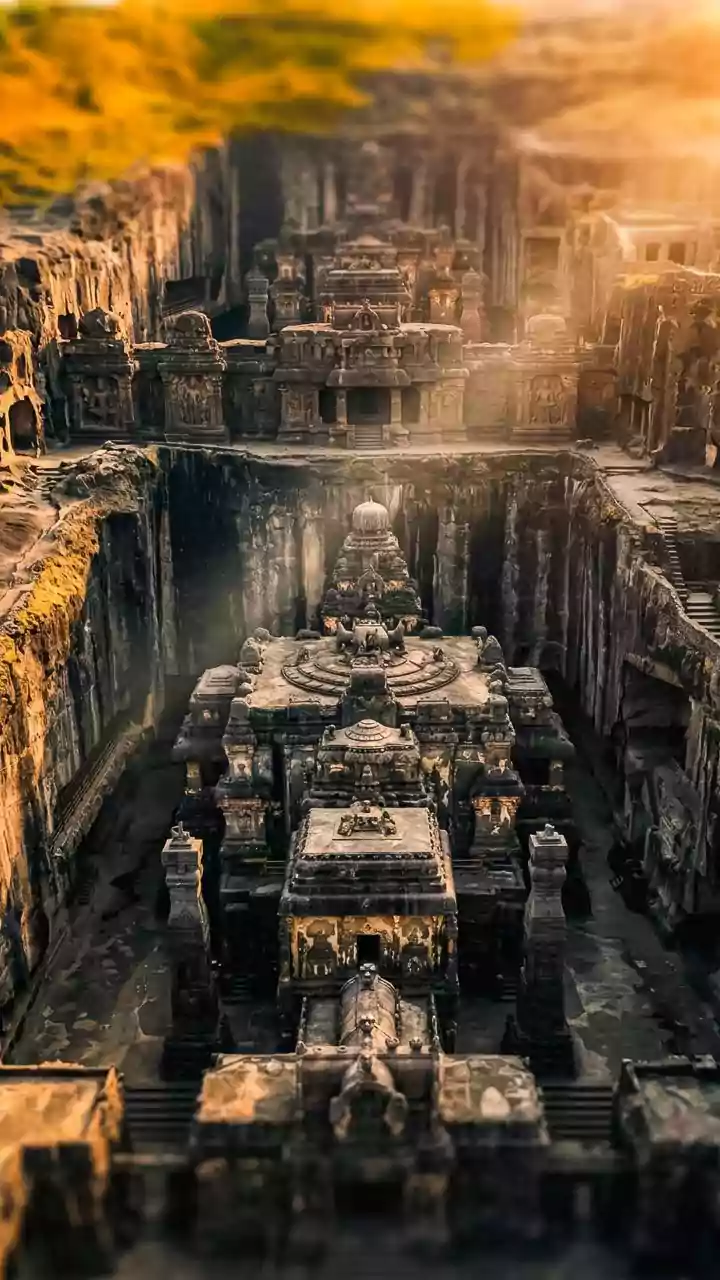
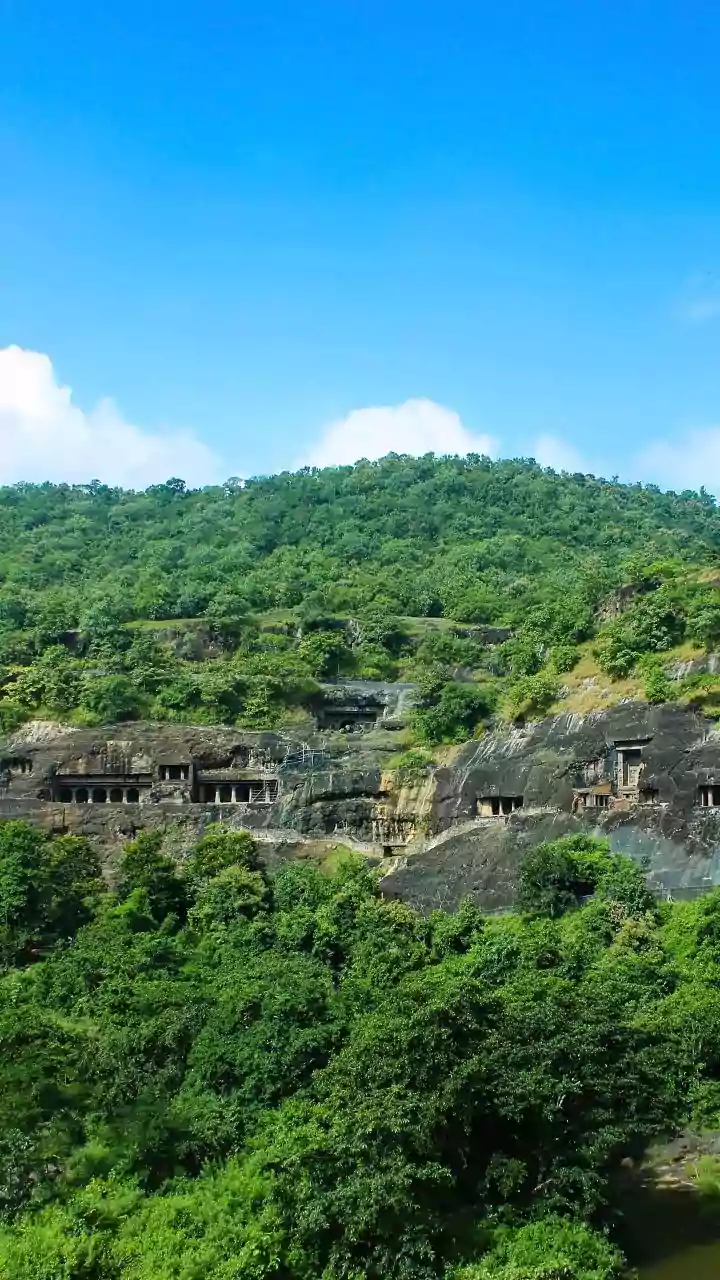

Day 1: Bhubaneswar, The Temple City
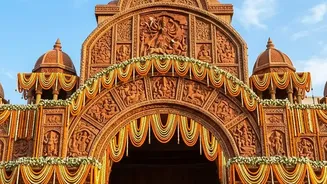
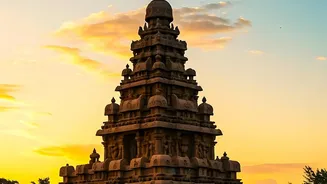
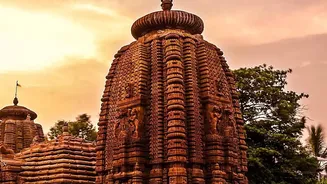
Your journey begins in Bhubaneswar, aptly called the 'Temple City of India'. Start your day exploring the magnificent Lingaraj Temple. A stunning example of Kalinga architecture, this 11th-century monument dedicated to Lord Shiva dominates the skyline.
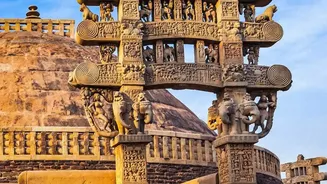
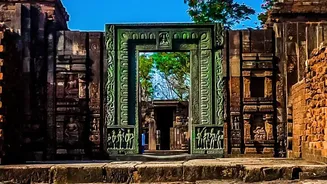
While entry into the inner sanctum is reserved for Hindus, a viewing platform offers a fantastic perspective of its grand scale and intricate carvings. From there, move to the Mukteshwar Temple, a 10th-century shrine often called the 'Gem of Odishan Architecture'. Its ornate stone archway (torana) is a masterpiece of design. End your temple tour at the Rajarani Temple, celebrated for its detailed sculptural art. Spend the evening soaking in the history you've just witnessed.
Day 2: Ancient Caves and Sacred History
After a morning of temples, shift focus to a different chapter of Odisha's past at the Udayagiri and Khandagiri caves. Located on the outskirts of Bhubaneswar, these partly natural, partly man-made rock-cut shelters date back to the 1st or 2nd century BCE and were once residences for Jain monks during the reign of King Kharavela. Udayagiri ('Sunrise Hill') has 18 caves, with the Rani Gumpha (Queen's Cave) being the most impressive with its elaborate carvings. Khandagiri ('Broken Hill'), with its 15 caves, offers panoramic views of the city. Walking through these ancient dwellings provides a profound sense of the ascetic life and artistic patronage that flourished here centuries ago.
Day 3: The Living Art of Raghurajpur and Spiritual Puri
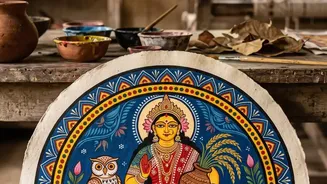
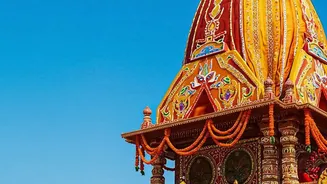
Today, you dive into Odisha's living arts with a drive to Raghurajpur, a designated heritage crafts village. Here, every house is an artist's studio. The village is the heartland of Pattachitra, a traditional cloth-based scroll painting known for its intricate details and mythological narratives. You can watch artisans prepare the canvas, mix natural colours, and paint timeless stories. Raghurajpur is also home to other crafts like palm leaf engraving and wooden toy making. In the afternoon, proceed to the coastal town of Puri, one of the four sacred Char Dham pilgrimage sites. Check into your hotel and spend the evening near the revered Jagannath Temple. Feel the spiritual energy that permeates the air, even if you only view its majestic structure from the outside, as entry is restricted.
Day 4: Konark's Sun Chariot and Pipili's Colours
An early start takes you to one of India’s most iconic landmarks: the Konark Sun Temple, a UNESCO World Heritage site. Built in the 13th century by King Narasimhadeva I, the temple is designed as a colossal stone chariot for Surya, the Sun God. It features 24 intricately carved wheels and is pulled by seven horses. Though parts of the main spire have collapsed, the remaining structure is a breathtaking testament to architectural and engineering genius. On your drive back towards Puri, stop at the vibrant village of Pipili. This town is famous for its appliqué work, known locally as 'Chandua'. The streets are lined with shops selling colourful umbrellas, canopies, and wall hangings, all showcasing this unique craft, which has deep ties to the rituals of the Jagannath Temple.
Day 5: Chilika's Tranquil Waters and Departure
For your final day, experience a different side of Odisha's natural beauty with an excursion to Chilika Lake, Asia's largest brackish water lagoon. A boat trip on the serene waters offers a chance to spot Irrawaddy dolphins and a wide variety of migratory birds, depending on the season. It’s a peaceful contrast to the stone-carved grandeur of the temples and the bustling energy of the craft villages. After your visit, drive back to Bhubaneswar to catch your flight or train, carrying with you the rich tapestry of stories, sights, and sounds from this incredible cultural journey. The blend of spiritual devotion, artistic excellence, and natural wonder makes this trip a truly memorable exploration of eastern India.