






As the Northeast Monsoon approaches, bringing crucial rains to southern India, preparation is everything. A few proactive steps can help protect your home, health, and family from the challenges of heavy downpours, ensuring a safe and secure season.
Understanding the Northeast Monsoon
Active
from October to December, the Northeast Monsoon is a critical rainfall season for several southern states. Unlike the widespread Southwest Monsoon, this system primarily impacts Tamil Nadu, Puducherry, coastal Andhra Pradesh, Kerala, and south interior Karnataka. For Tamil Nadu in particular, it provides nearly half of the annual rainfall, making it vital for agriculture and replenishing water reservoirs. However, the season is also known for its intensity, which can lead to flooding and disruptions, especially in coastal and urban areas. Staying informed through official channels like the India Meteorological Department (IMD) is the first step in preparation.
Fortify Your Home Against the Elements
Your home is your primary shelter, and making it rain-ready is essential. Start by inspecting your roof and walls for any cracks or leaks that could allow water to seep in; sealing these in advance can prevent long-term structural damage and peeling paint. Ensure all drains on your property and in your immediate vicinity are clear of debris to prevent waterlogging. It's also wise to trim any tree branches that overhang your house to minimise the risk of them falling during strong winds. Check that wooden doors and windows are properly varnished or painted to prevent them from swelling due to moisture, which can cause them to jam. Finally, secure any loose electrical wires on the exterior of your home and ensure main power switches are accessible and protected from potential flooding.
Prioritise Health and Hygiene
The monsoon season often brings a spike in water-borne and vector-borne diseases. The humid conditions and stagnant water create ideal breeding grounds for mosquitoes, which spread illnesses like dengue and malaria. To protect your family, eliminate any standing water in and around your home—in coolers, flower pots, and discarded containers. Always drink boiled or filtered water, as contamination of water sources is a major risk during this period. Avoid eating street food, which may be exposed to unhygienic conditions. Maintaining personal hygiene, such as frequent handwashing, is also crucial to prevent the spread of infections like viral fever, cholera, and typhoid.
Assemble a Monsoon Emergency Kit
Power cuts and mobility issues are common during heavy rains, making a well-stocked emergency kit a necessity. Your kit should be stored in a waterproof bag and kept in an easily accessible place. Key items include a powerful torch with extra batteries, a fully charged power bank for your mobile phone, and a basic first-aid kit containing antiseptic, bandages, pain relief tablets, and any personal prescription medications. Stock up on non-perishable food items like biscuits and dry snacks, along with several litres of safe drinking water, enough to last your family for at least three days. Also, keep important documents like property papers and identification in a waterproof pouch.
Practice Safe Travel and Commuting
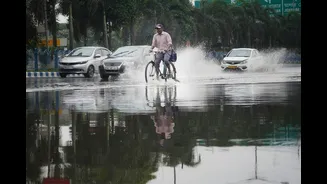
If you must travel during a downpour, exercise extreme caution. Before the season starts, ensure your vehicle's tyres, brakes, and wipers are in good condition. When driving, go slowly, maintain a safe distance from the vehicle ahead, and use your headlights for better visibility. Never attempt to drive or walk through heavily waterlogged streets. The water can conceal open manholes or deep potholes, and just a few inches of flowing water can be strong enough to knock a person down or cause a vehicle to lose control. It's also critical to stay away from downed power lines and electrical poles to avoid the risk of electrocution. If possible, it's always safest to postpone non-essential travel and stay indoors during heavy rainfall.