








A New Creative Freedom
The single most significant change brought by Over-The-Top (OTT) platforms is creative liberation. Freed from the constraints of theatrical censor boards and the fixed runtimes of television slots, creators found a new canvas. This structural freedom
allows for narratives that breathe. Storylines that would be rushed in a two-hour film can now unfold over eight to ten episodes, giving makers the space to explore subplots, build atmosphere, and craft intricate worlds. This has enabled the exploration of subjects previously considered taboo or too niche for mainstream media, from complex political dramas to candid explorations of relationships. Creators can now tackle socio-political issues, represent underrepresented communities, and tell bolder, more authentic stories without the pressure to cater to a single, monolithic audience.
The Ascendance of the Writer
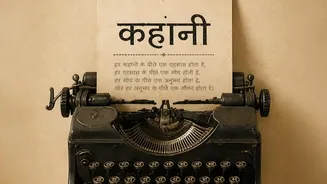
For decades, Indian cinema was largely a director's and star's medium. The screenplay was often a secondary consideration. Web series have flipped that script, ushering in the age of the writer. The long-form, episodic nature of streaming content demands robust, character-driven narratives, making the writer's room the true heart of a production. Shows like 'Paatal Lok' and 'Scam 1992' are testaments to the power of sharp, layered writing. This shift has not only improved the quality of stories but has also created a new ecosystem of opportunity for screenwriters. Platforms like Netflix and Amazon Prime Video are actively investing in finding and nurturing new writing talent from across the country, recognizing that a compelling script is the foundation of a binge-worthy show.
Deep-Dive Character Development
The extended format of web series has revolutionized character arcs. Unlike in many commercial films where characters are often archetypes—the flawless hero, the pure heroine, the one-dimensional villain—streaming shows allow for morally grey, complex, and evolving individuals. Audiences can follow a character's journey across multiple seasons, witnessing their growth, flaws, and contradictions in a way that feels more true to life. Think of the nuanced portrayal of conflicted law enforcement officers in 'Delhi Crime' or the layered ambition of the wedding planners in 'Made in Heaven'. These are characters that audiences can invest in, relate to, and debate over, making the viewing experience far more immersive.
An Explosion of Genres
Indian television was long dominated by family dramas and mythologicals, while cinema largely stuck to romance, action, and comedy. Digital platforms have shattered these genre limitations. Suddenly, there is a space for gritty crime thrillers ('Mirzapur'), slice-of-life comedies ('Gullak'), intricate spy sagas ('The Family Man'), and even horror ('Ghoul') and science fiction. This genre diversification caters to a fragmented audience with varied tastes. Viewers are no longer a monolith, and platforms can profit by serving niche interests, whether it's a taste for psychological thrillers or light-hearted workplace comedies. This has led to a richer, more varied entertainment landscape for everyone.
Hyperlocal Goes Mainstream
For years, mainstream Bollywood was primarily set in Mumbai, Delhi, or picturesque foreign locations. OTT platforms have taken viewers into the heartland of India, telling stories that are deeply rooted in their specific cultural and geographical contexts. Shows like 'Jamtara', based on real-life phishing scams in Jharkhand, or the small-town politics of 'Panchayat' in rural Uttar Pradesh, bring an authenticity and specificity that was rare. The rise of regional language content has been a huge part of this trend. Platforms are investing heavily in Tamil, Telugu, Malayalam, and Bengali content, and these stories are finding audiences across India and the globe, proving that a well-told story can transcend linguistic and cultural barriers.