


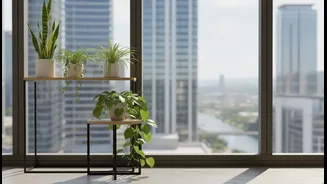


More Than Just a Few Pots
The concept of an edible balcony goes beyond simply keeping a few potted plants. It represents a conscious shift towards integrating food production into our urban living spaces. For renters and homeowners in bustling cities, where backyards are a luxury,
the balcony is being reimagined as a miniature farm. This trend is about creating a productive green space that yields fresh, homegrown produce, from everyday herbs to a surprising variety of vegetables. It's a hands-on approach to food that is transforming compact urban spaces into vibrant, life-sustaining gardens.
A Craving for Connection and Health
So, why the sudden surge in balcony gardening? The reasons are as varied as the plants themselves. A primary driver is the growing desire for fresh, nutritious food free from unknown pesticides and chemicals. Knowing exactly where your food comes from provides a sense of security and well-being. Furthermore, the act of gardening itself is a powerful stress reliever, offering a therapeutic escape from the frantic pace of city life. This connection to nature, however small, helps restore a sense of balance. The trend also reflects a broader movement towards sustainability, reducing food miles and our carbon footprint one balcony at a time.
Your Urban Harvest: What to Grow
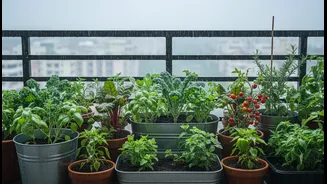
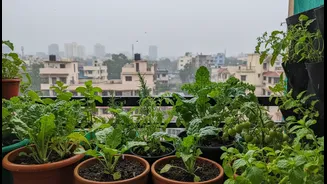
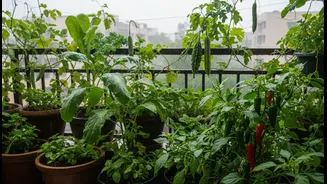
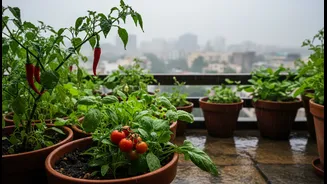
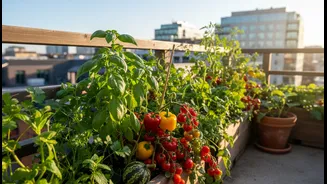
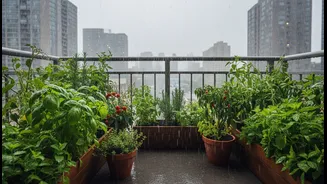
You might be surprised by the sheer variety of produce that can thrive in containers. For Indian climates, the options are plentiful. Fast-growing leafy greens like spinach (palak), fenugreek (methi), and coriander (dhania) are perfect for beginners and can be ready to harvest in under a month. Herbs such as mint and holy basil (tulsi) are incredibly low-maintenance and provide fresh flavours for daily cooking. Fruiting plants like cherry tomatoes, chillies, and brinjal also do exceptionally well in pots, provided they get enough sunlight. With a bit of planning and the right container size, even gourds and cucumbers can be trained up a trellis, maximising vertical space.
The Benefits Go Beyond the Plate
The rewards of an edible balcony extend far beyond the kitchen. For families, it’s an invaluable educational tool, teaching children where food comes from and the patience required to grow it. Tending to plants is known to improve mental health, reducing anxiety and boosting mood. An edible garden also contributes positively to the urban micro-environment. Plants help filter air pollution and can even attract beneficial pollinators like bees and butterflies, turning your balcony into a mini-ecosystem. It fosters a sense of accomplishment and a deeper appreciation for the food we eat.
Getting Started Is Easier Than You Think
Starting your own edible balcony doesn't require a 'green thumb'. The most crucial factor is sunlight; most vegetables need at least four to six hours of direct sun daily. Begin by observing your balcony to see how much light it gets. Start small with a few easy-to-grow plants like mint, spinach, or cherry tomatoes. Choosing the right container is key—leafy greens can grow in shallow pots, but tomatoes and chillies need deeper ones for their roots. Instead of using dense garden soil, opt for a lightweight potting mix of cocopeat and compost, which provides better drainage and nutrition for container plants. With regular watering and a little care, you’ll be on your way to harvesting your own fresh produce.