



Why Rhododendrons?
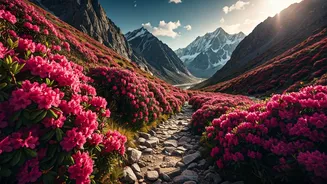
While the Himalayas are famous for their stark, snow-capped beauty, the sub-alpine regions of the Northeast come alive in a riot of colour during spring. The star of this show is the rhododendron, or 'Lali Gurans' as it's known locally. With over 90 species
found in India, many of them concentrated in Sikkim and Arunachal Pradesh, these flowering trees transform entire hillsides into impressionistic paintings. Trekking during the bloom season (typically March to May) is not just a physical journey but a visual feast, offering a softer, more colourful alternative to high-altitude expeditions. These routes are often less crowded, allowing for a more intimate connection with nature.
The Gentle Trail: Barsey Rhododendron Sanctuary, Sikkim
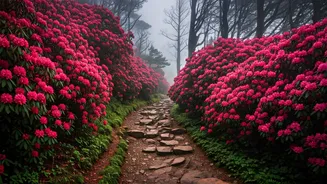
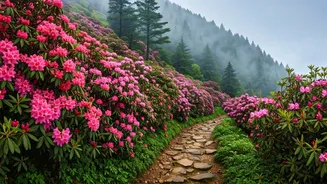
Often called the 'Valley of Rhododendrons', this sanctuary in West Sikkim is perhaps the most accessible and rewarding destination for flower enthusiasts. The trek is relatively easy, making it perfect for families and beginners. The main trail from Hilley to Barsey is a gentle 4 km walk along a well-paved path. As you ascend, the forest canopy explodes with colour. You'll find yourself surrounded by towering rhododendron trees—some centuries old—draped in shades from deep red (R. arboreum) to delicate pink and white (R. hodgsonii). The mist that frequently rolls in adds a mystical quality, with the vibrant flowers glowing against the grey backdrop. **Best Time:** March to April. **Difficulty:** Easy. **Duration:** 1-2 days (can be done as a day hike from Okhrey or Hilley).
The Otherworldly Landscape: Dzükou Valley, Nagaland-Manipur
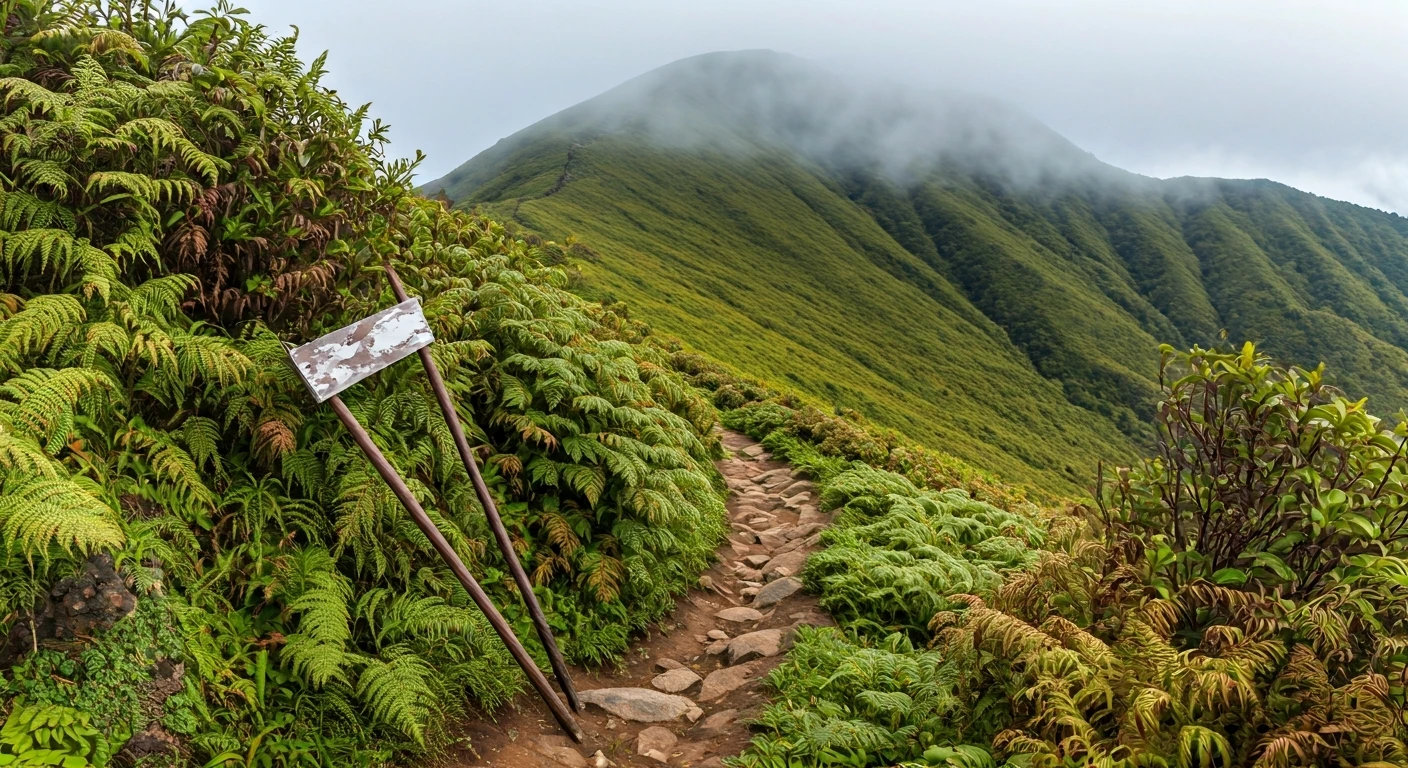
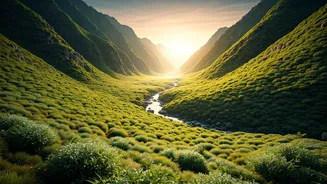
Straddling the border of Nagaland and Manipur, the Dzükou Valley is a place of breathtaking, almost surreal beauty. While famous for its rolling green hills and the seasonal 'Dzükou Lily', the valley is also home to beautiful, albeit shorter, species of rhododendrons. The trek here is more challenging, involving steep ascents, but the reward is a landscape unlike any other. During late spring and early summer, the endemic pink Dzükou lily is complemented by swathes of white and pink rhododendrons (R. macabeanum) that dot the valley floor and surrounding slopes. It feels like stepping into a fantasy world, with gentle streams meandering through a carpet of flowers. It's an offbeat adventure for the seasoned trekker looking for solitude and spectacular views. **Best Time:** April to June for rhododendrons and lilies. **Difficulty:** Moderate to Difficult. **Duration:** 2-3 days from Kohima.
The Wild Frontier: Talle Valley, Arunachal Pradesh
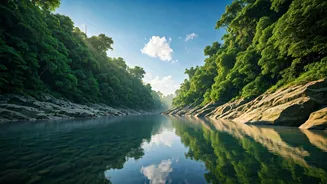
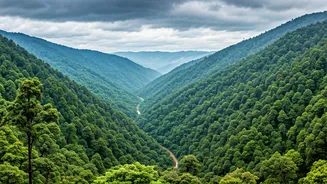
For the truly adventurous, Talle Valley in Arunachal Pradesh offers a raw, untouched trekking experience. This biodiversity hotspot is home to clouded leopards, diverse birdlife, and a stunning variety of flora, including magnificent rhododendron forests. The trek, starting from the Apatani town of Ziro, is a multi-day journey through dense, subtropical forests. Here, you'll find a wide range of rhododendron species, from towering trees to smaller shrubs, thriving in the region's unique climate. The trails are challenging and less defined, requiring a good guide and proper permits. This is not a casual hike but a deep immersion into one of India’s last great wildernesses, where the vibrant rhododendrons are a reward for pushing your limits. **Best Time:** March to May. **Difficulty:** Difficult. **Duration:** 4-6 days from Ziro.
Planning Your Rhododendron Trek
Before you pack your bags, a few tips are essential. Always check the weather; spring in the Northeast can be unpredictable, with rain and mist being common. Hiring a local guide is highly recommended, especially for treks in Nagaland and Arunachal Pradesh, as they are essential for navigation and permits. For Sikkim, entry permits might be required for certain areas, so plan ahead. Pack layers of clothing, a good raincoat, and sturdy, waterproof trekking shoes. Most importantly, bring a good camera, but don't forget to put it down and simply soak in the incredible, fleeting beauty of the blooming forests.