





The New Face of Indian Rail Travel
The hum of train travel is evolving in India. Beyond the familiar chai-wallahs and bustling platforms, a new chapter in rail tourism is being written. This isn't just about getting from point A to B anymore; it's about the journey itself. Indian Railways
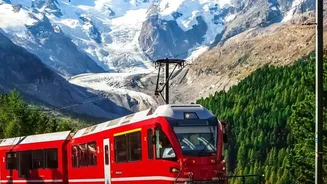
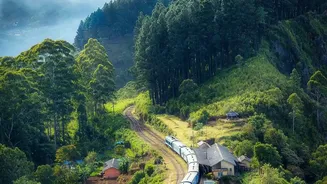
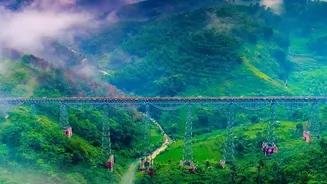
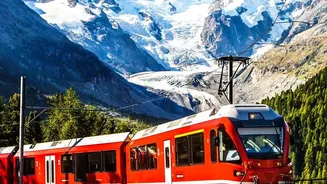
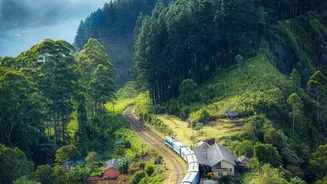
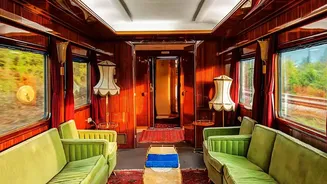
has rolled out a suite of new services aimed at boosting tourism, from scenic Vistadome coaches with panoramic windows to curated, all-inclusive Bharat Gaurav tourist trains. These initiatives are designed to showcase India's heritage and natural beauty, turning the train itself into a destination. The Bharat Gaurav scheme, for example, allows private and state operators to run theme-based tours, like the Ramayana Yatra or Buddhist Circuit, offering packages that bundle travel, meals, and sightseeing. This marks a strategic pivot towards experience-led travel, aiming to attract both domestic and international tourists with convenience and curated itineraries.
New Opportunities on a Budget?
For budget travellers, this expansion brings both exciting prospects and valid questions. The most promising development is the Amrit Bharat Express. Designed specifically for long-distance, budget-conscious passengers, these non-AC trains feature modern sleeper and general second-class coaches with improved amenities. They employ push-pull technology for faster acceleration, reducing travel time without the premium price tag of a Vande Bharat. Fares are fixed, costing roughly 15% more than a standard mail or express train, but crucially, they avoid the dynamic pricing that can cause ticket costs to soar. Then there are the Vistadome coaches, often attached to existing trains on scenic routes like the Western Ghats or the Kalka-Shimla line. While more expensive than a standard seat, they offer a luxurious, panoramic experience for a fraction of what a dedicated luxury train would cost, with some tickets around ₹700 for a journey.
The Affordability Squeeze
However, the growth in tourism-focused and premium services has a flip side. Many regular long-distance trains are seeing a significant reduction in the number of sleeper class coaches, the traditional mainstay of budget travel in India. As older train rakes are replaced with modern LHB coaches, the composition is often rejigged to include more AC coaches and fewer sleeper berths. Reports show that on some popular routes, the number of sleeper coaches has been halved, dropping from 10-12 to as few as three to six. This systematic reduction forces passengers onto long waiting lists for the few available sleeper berths or pushes them to buy significantly more expensive AC tickets, where a 3-tier AC fare can be more than double the sleeper cost. For migrant workers and families on tight budgets, this trend makes train travel less accessible, turning an affordable necessity into a financial strain.
Are Tourist Trains a Viable Alternative?
So, can the new tourist trains fill the gap? It's complicated. Bharat Gaurav trains, while offering an organised way to see the country, are essentially tour packages. The price includes not just travel but also hotels, meals, and guided tours. While some packages offer a sleeper class option starting around ₹1,800 per day, this is still a significant outlay compared to a simple point-to-point journey. For example, an 8-day pilgrimage tour might cost a minimum of ₹14,500 in sleeper class. These are designed for leisure tourists, not for the person travelling for work or visiting family. While the new Amrit Bharat Express is a clear win for affordability, its network is still growing, and it doesn't solve the issue of shrinking sleeper capacity on the country's most established express routes.
Navigating the Evolving Network
For the budget traveller, adapting is key. The Amrit Bharat Express is the most direct and positive outcome of this new era, offering a faster, more comfortable non-AC experience at a predictable price. Planning travel on these specific trains can be a smart move. For those seeking scenic experiences without the high cost of luxury travel, booking a seat in a Vistadome coach on an existing train offers a taste of the new rail tourism boom without the full package price. However, for most everyday travel, the reality is increased competition for fewer sleeper berths. This means booking well in advance is more critical than ever. The growth of rail tourism is a double-edged sword: it is creating incredible new ways to experience India by train, but it is also intensifying the pressure on the very services that have made the railways the lifeline for millions of budget-conscious travellers.