








Why Your Gut Loves Variety
Your gut is home to trillions of microorganisms, collectively known as the gut microbiome. Think of it as a bustling internal garden. For this garden to flourish, it needs diverse nourishment. Different plants provide different types of fibre and nutrients,
which in turn feed different types of beneficial bacteria. A diet rich in a wide array of plants leads to a more diverse and resilient microbiome. This diversity is linked to numerous health benefits, including a stronger immune system, reduced inflammation, improved nutrient absorption, and even better mental health through the gut-brain axis. When your gut microbes are well-fed and diverse, they produce beneficial compounds like short-chain fatty acids, which are crucial for maintaining a healthy gut lining and overall wellness.
The '30 Plants a Week' Guideline
You may have heard of the '30 plants a week' challenge, a guideline that emerged from large-scale studies like the American Gut Project. Research found that individuals who ate 30 or more different types of plants per week had significantly more diverse gut microbiomes compared to those who ate 10 or fewer. While 30 might sound like a daunting number, it's more achievable than you think because the definition of 'plant' is incredibly broad. It's not just about fruits and vegetables. Every fruit, vegetable, whole grain, legume, nut, seed, herb, and spice counts as a 'plant point'. Each unique plant item counts once per week, so the focus is on variety, not quantity or portion size. Think of it less as a strict rule and more as a fun, motivating target to encourage you to step out of your dietary comfort zone.
What Counts Towards Your Goal?
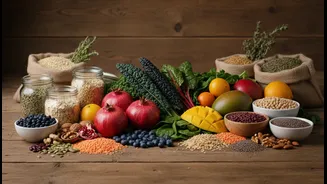
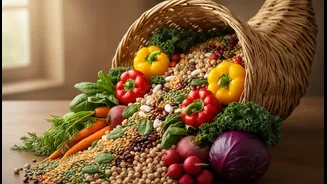
Expanding your idea of what a 'plant' is makes this goal much more accessible. Every time you add something new, you're boosting your count and feeding your gut. The categories include: Fruits (apples, bananas, mangoes, berries), Vegetables (spinach, brinjal, carrots, onions), Whole Grains (oats, brown rice, quinoa, millet), Legumes (lentils, chickpeas, black beans, rajma), Nuts and Seeds (almonds, walnuts, chia seeds, flax seeds), and even Herbs and Spices (turmeric, coriander, mint, ginger). Even coffee and dark chocolate (over 70% cocoa) count. Different colours of the same vegetable, like red and yellow bell peppers, provide different phytonutrients, so aiming to 'eat the rainbow' is another excellent strategy for nutritional diversity.
Simple Swaps for a Bigger Plant Count
Incorporating more plant variety doesn't require a complete diet overhaul. Small, consistent changes can make a huge difference. In an Indian kitchen, many of these options are already at your fingertips. Instead of using just one type of dal, try a mix of two or three. Add grated vegetables like carrots or lauki into your roti dough or dosa batter. Sprinkle a mix of seeds (like flax, sesame, and sunflower) onto your morning yogurt, oatmeal, or poha. When making a sabzi, add an extra vegetable you don't normally use. Garnish your dishes liberally with fresh herbs like coriander and mint. Instead of snacking on processed foods, reach for a piece of fruit or a handful of mixed nuts. These simple additions can quickly increase your weekly plant count with minimal effort.