





As winter arrives, many of us reach for foods deemed 'warming', like ginger, spices, and root vegetables. It is a tradition passed down through generations. But do these foods really turn up our internal thermostat like a heater? Let's find out.
The Myth of a Food-Fired Furnace
The idea
that certain foods can substantially raise your core body temperature is a common misconception. While traditions like Ayurveda and Traditional Chinese Medicine classify foods as 'warming' or 'cooling' based on their energetic effects, this is not a literal measure of temperature. Your body has a sophisticated thermoregulation system, primarily managed by the hypothalamus in your brain, which works to keep your core temperature stable at around 37°C. Factors like shivering and constricting blood vessels are your body's main tools for generating and conserving heat. Eating food won't override this complex system to make you measurably hotter.
The Science of Feeling Warm
So why do you feel a sense of warmth after a spicy curry or a cup of ginger tea? The effect is real, but it is not from an increase in core body temperature. This sensation comes from two main processes. First, some foods contain compounds that trigger heat sensations. For example, capsaicin in chillies tricks your brain into feeling hot, which can even induce sweating. Second, all foods trigger something called the thermic effect of food (TEF), or diet-induced thermogenesis. This is the energy your body uses to digest, absorb, and metabolise nutrients. While this process does generate a small amount of heat, it accounts for only about 10% of your daily calorie expenditure and is not powerful enough to act as a personal heating system.
What 'Warming' Foods Actually Do
The real magic of traditional winter foods lies not in their ability to heat you up, but in their dense nutritional profiles that support your body during the colder months. Many 'warming' spices like ginger, turmeric, cinnamon, and cloves have powerful anti-inflammatory and antioxidant properties. They can also improve circulation, which helps distribute blood flow more effectively and can reduce the feeling of cold in your hands and feet. These spices and foods support your immune system, which is often more challenged in winter, and aid digestion, which can become sluggish in colder weather. So, while they don't raise your temperature, they do help your body function optimally.
Building a Truly Balanced Winter Plate
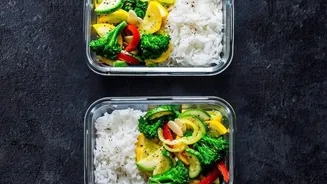
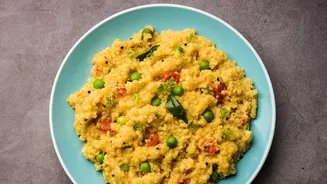
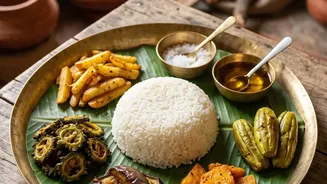
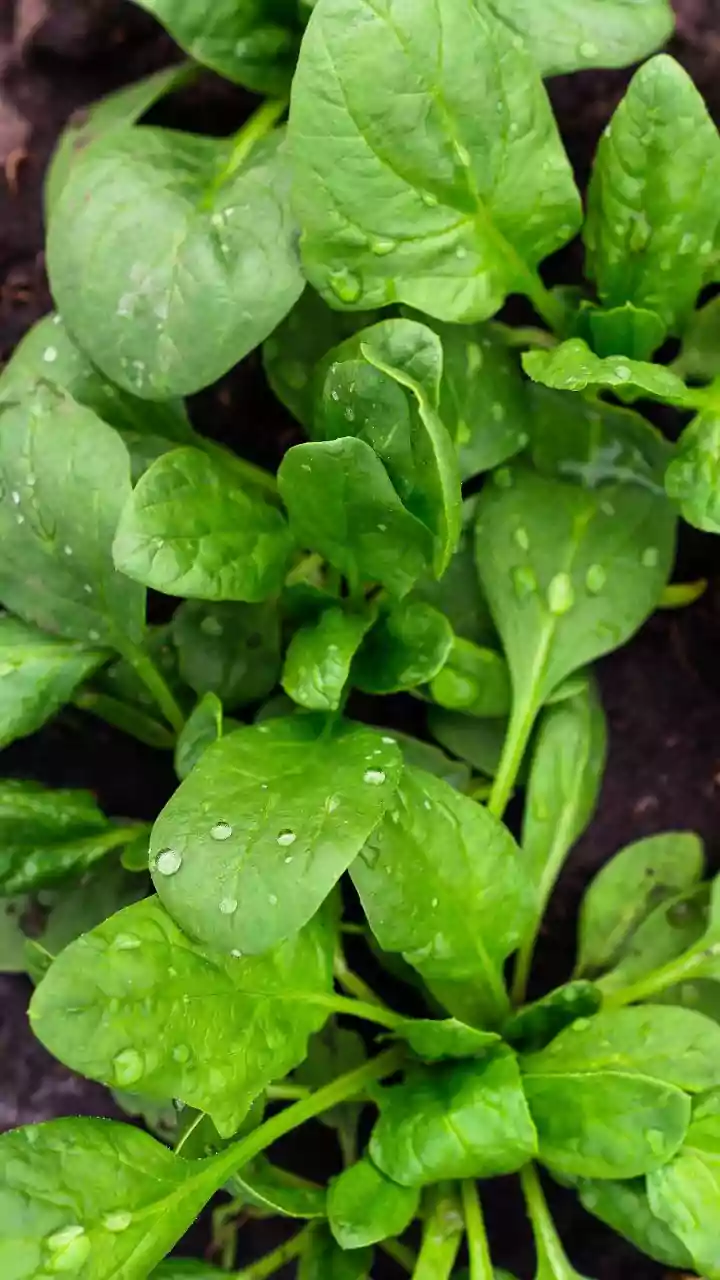
Instead of trying to eat your way to a higher temperature, focus on building a balanced plate with seasonal, nutrient-rich foods. In India, winter brings an abundance of incredible produce. Incorporate root vegetables like carrots, beets, sweet potatoes, and radishes. These are complex carbohydrates that take longer to digest, which can provide a sustained feeling of fullness and support the thermic effect of food. Leafy greens like spinach (palak), fenugreek (methi), and mustard greens (sarson) are packed with iron, vitamins, and minerals that boost immunity and energy. Pair these with whole grains and lean proteins to create a well-rounded, nourishing meal that gives your body the fuel it needs to stay healthy and resilient all season long.
The Comfort of Hot Soups and Drinks
While the food itself may not raise your core temperature, its physical temperature does provide temporary comfort. A hot bowl of soup, a comforting cup of dal, or a warm mug of ginger tea provides immediate, albeit temporary, warmth. These hot liquids help you feel cozy and can soothe you from the inside out. Furthermore, staying hydrated is just as important in winter as it is in summer. Warm beverages are an excellent way to ensure you are getting enough fluids, which is crucial for every bodily function, including temperature regulation. So, keep sipping on those warm drinks for comfort, hydration, and the nutritional benefits they offer.