




The Unseen Risks on Your Shelves
Your refrigerator's main job is to slow bacterial growth, but it doesn't stop it completely. Spills from raw meat or residue from unwashed vegetables can create breeding grounds for harmful pathogens. Bacteria like Salmonella, E. coli, and Listeria can thrive
in a surprisingly cool environment. In fact, Listeria is particularly dangerous because it can multiply at refrigeration temperatures. Cross-contamination occurs when these germs transfer from one surface or food item to another, often invisibly. A drip of chicken juice onto a lower shelf, which then touches your salad container, can turn a healthy meal into a source of illness. Studies have found that refrigerator vegetable drawers are often hotspots for germs, making cleanliness just as critical as temperature control for food safety.
Your Guide to a Deep Fridge Clean
A thorough cleaning is the first step toward a safer food environment. Start by turning off the fridge and emptying it completely. This is a great opportunity to discard any expired items. Remove all shelves, drawers, and other detachable parts. Wash these components by hand with hot, soapy water; avoid putting cold glass shelves directly into hot water, as the temperature shock can cause them to crack. While the parts are drying, wipe down the interior of the fridge with a solution of warm water and a mild detergent or a mixture of vinegar and water. Don't forget the door seals, where crumbs and spills often hide. Dry everything thoroughly with a clean cloth before reassembling. For stubborn odours, an open box of baking soda placed on a shelf can help absorb smells going forward. Aim to do this deep clean every three to four months, and wipe up spills immediately to maintain hygiene in between.
Smarter Storage for Safer Meals
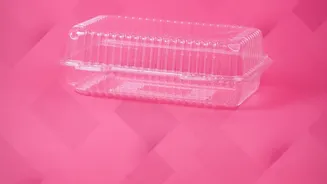
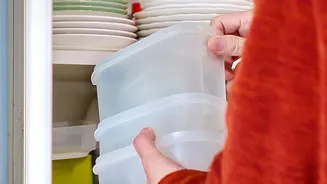
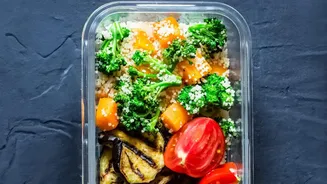
A clean fridge is only effective if you store your food correctly. The first rule is temperature: your fridge should be set to 40°F (4°C) or below. Use an appliance thermometer to verify this, as many built-in displays can be inaccurate. When storing your meal-prepped containers, ensure they are airtight to keep food fresh and prevent the spread of odours and bacteria. Allow cooked food to cool down before refrigerating, but don't leave it at room temperature for more than two hours, as this is the 'danger zone' where bacteria multiply rapidly. To cool large batches of food like soups or stews quickly, divide them into smaller, shallow containers. The most crucial rule of organization is storing raw meat, poultry, and seafood on the bottom shelf in a sealed container or bag. This simple step prevents their juices from dripping onto and contaminating ready-to-eat foods stored below.
Maintaining a Safe Food Zone
Keeping your fridge safe doesn't require a full overhaul every week. Small, consistent habits make the biggest difference. Designate one day a week to quickly check for and toss any food that is past its prime. According to FDA guidelines, most cooked leftovers, including meal-prepped dishes, are safe for 3-4 days in the refrigerator. Labeling your meal prep containers with the date they were made can help you keep track. Avoid overfilling the refrigerator; proper air circulation is essential for maintaining a consistent, cool temperature throughout the unit. Keep foods like eggs and dairy in the main part of the fridge rather than the door, where temperatures fluctuate the most every time it's opened. By turning these simple actions into routines, you transform your refrigerator from a simple storage box into an active tool for food safety.