







The Humble Powerhouse: What is Sattu?
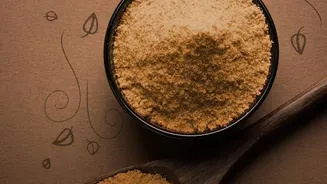
Sattu is a flour made from roasted grains or pulses, most commonly Bengal gram (chana). For centuries, it has been a staple in regions like Bihar, Jharkhand, and Uttar Pradesh, often called the “poor man’s protein” for its affordability and impressive
nutritional profile. The traditional process involves dry-roasting the grams, which enhances the flavour, improves digestibility, and extends its shelf life naturally. Unlike other flours that require cooking, roasted sattu can be consumed simply by mixing it with water or other ingredients, making it a convenient food source that has sustained farmers and labourers for generations.
A Nutritional Profile Built for Fitness
Sattu’s resurgence is largely due to its stellar nutritional credentials. A 100-gram serving packs approximately 20-26 grams of plant-based protein, making it a formidable rival to many commercial protein powders. This protein is vital for muscle repair and growth, especially after a workout. Beyond protein, sattu is rich in dietary fibre, complex carbohydrates, and essential minerals like iron, magnesium, and potassium. Its low glycaemic index ensures a slow and steady release of energy, preventing the sugar spikes and crashes associated with many breakfast foods and keeping you feeling full and energised for longer.
From Traditional Sherbet to Modern Bowls
Traditionally, sattu is most famous as a cooling summer drink, or 'sherbet', made by mixing the flour with water, lemon juice, black salt, and roasted cumin powder. It's also a key ingredient in savoury dishes like litti chokha and stuffed parathas. While these uses remain popular, the modern wellness movement has adapted sattu into a new, versatile format: the breakfast bowl. This evolution takes sattu’s nutritional benefits and presents them in a way that aligns with contemporary eating habits, similar to oatmeal or smoothie bowls.
How to Build Your Perfect Sattu Bowl
Creating a sattu breakfast bowl is simple and highly customisable. The base starts by making a smooth paste to avoid lumps. Whisk 2-3 tablespoons of sattu with a small amount of milk, plant-based milk, or even yogurt until you have a thick, consistent paste. From there, gradually stir in more liquid until you reach your desired porridge-like consistency. This base is a blank canvas, ready for you to add flavours and textures that suit your taste, whether you prefer a sweet or savoury start to your day.
Sweet Bowl Ideas for a Flavourful Start
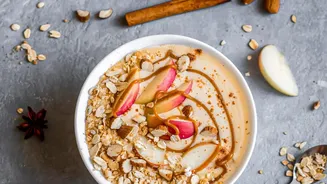
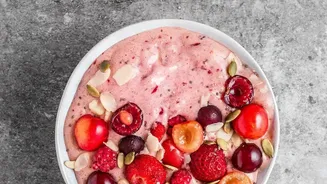
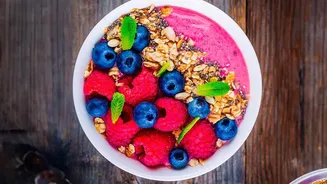
For those who enjoy a sweet breakfast, sattu's nutty flavour pairs beautifully with a variety of ingredients. Blend your sattu base with a ripe banana for natural sweetness and a creamy texture. Pour it into a bowl and top with fresh fruit slices like apple, a sprinkle of seeds like chia and flax for healthy fats, and a handful of nuts for crunch. A drizzle of honey or jaggery can be added for extra sweetness, along with a dash of cardamom or cinnamon powder to enhance the flavour. This creates a meal that's not only delicious but also packed with fibre, protein, and essential nutrients.
Savoury Options for a Powerful Morning
If you prefer a savoury breakfast, sattu is equally adaptable. Prepare the base with yogurt or water and season it with black salt, roasted cumin powder, and a pinch of black pepper. Mix in finely chopped vegetables like onions, tomatoes, and fresh coriander for texture and freshness. For an extra kick, add a bit of finely chopped green chilli or grated ginger. This savoury bowl offers a refreshing and zesty start to the day, delivering sustained energy without any added sugar.