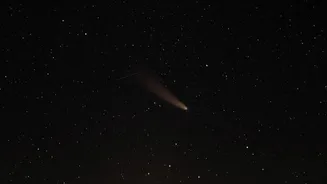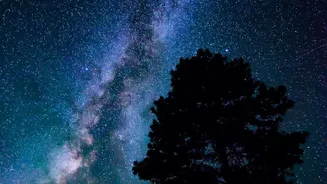




In an increasingly bright world, true darkness is becoming a rare resource. But in a remote corner of the Himalayas, India is pioneering a solution that protects fragile ecosystems by preserving one of nature's most stunning spectacles: the night sky.
An Ambitious Plan in the Himalayas
High in the cold desert of Ladakh, at an altitude of nearly 15,000 feet, sits the village of Hanle. For decades, its remote location, thin air, and clear skies made it the perfect home for the Indian Astronomical Observatory. Now, those same attributes are at the heart of a groundbreaking new project: the Hanle Dark Sky Reserve. Established in 2022, it is India’s first such reserve, a designated area where artificial light is strictly controlled to preserve the natural darkness. The initiative, a collaboration between local authorities and scientists, aims to protect the area for astronomical research while creating a new, sustainable economic path for the local community.
More Than a Starlit Sky
The primary goal of a dark-sky reserve is to combat light pollution, but its benefits extend far beyond clearer views of the Milky Way. Artificial light at night has profound and often detrimental effects on ecosystems. Countless species, from insects to mammals, have evolved over millennia to live by the natural cycles of day and night. Unnatural light can disrupt crucial behaviors like navigation, mating, hunting, and predator avoidance. Migratory birds, which often use stars to navigate, can become disoriented by bright city lights, leading to collisions and exhaustion. Nocturnal pollinators, essential for many plants, are drawn away from their tasks by artificial lights, potentially impacting plant reproduction and the entire food web. By minimizing light pollution, the Hanle reserve helps safeguard the delicate balance of its high-altitude ecosystem, protecting the wildlife within the Changthang Wildlife Sanctuary where it is located.
The Dawn of Astro-Tourism
Protecting the dark has also ignited a new form of economic opportunity. 'Astro-tourism' is on the rise globally, and Hanle is positioning itself as a prime destination. The reserve has become a powerful draw for travelers seeking authentic, eco-friendly experiences. Instead of building large, intrusive hotels, the model in Hanle focuses on community-led tourism. Local villagers have been trained as 'astro-ambassadors', equipped with telescopes and knowledge to guide visitors through the cosmos. Many have expanded their homes to offer homestays, providing both income and a genuine cultural exchange. This approach ensures that the economic benefits of tourism flow directly into the community, creating sustainable livelihoods that depend on preserving the environment rather than exploiting it.
A Community-Powered Model
The success of the Hanle Dark Sky Reserve hinges on community participation. Local residents are not just beneficiaries; they are active stewards of the night sky. The project has provided resources like light-blocking curtains and shielded, warmhued light bulbs to minimize light spill from homes. This grassroots involvement builds a sense of ownership and ensures the longterm viability of the reserve. By turning the pristine night sky into a valuable asset, the initiative provides a compelling alternative to more destructive forms of development. It has also helped stem migration from the remote village, as new opportunities allow young people to build a future in their ancestral home.