
A New Culinary Canvas
For generations, Indian sweets meant mithai—rich, festive, and steeped in tradition. But today's bakers, from professionals in bustling city cafes to passionate home cooks, are looking at a broader culinary map. This new wave of vegetarian fusion baking
is about more than just novelty; it's a reflection of a modern India that is globally connected yet deeply proud of its roots. The trend is fuelled by a desire for new experiences, the visual appeal celebrated on social media, and the accessibility of global ingredients and techniques. It's about taking the soul of Indian flavours—the warmth of cardamom, the floral notes of rose, and the golden hue of saffron—and giving them a new, contemporary stage. This movement isn’t about replacing traditional sweets but expanding the dessert repertoire with creations that are both surprising and comfortingly familiar.
The Sweetest Combinations
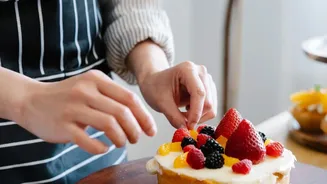
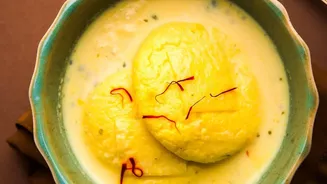
The most iconic example of this trend is the Gulab Jamun Cheesecake. It combines the tangy richness of a New York-style cheesecake with the syrupy sweetness of whole gulab jamuns, creating a dessert that is both indulgent and perfectly balanced. Similarly, the Motichoor Ladoo has been reimagined into spectacular cakes, where layers of sponge are infused with rabdi and topped with crumbled ladoo, offering a new way to enjoy a festive favourite. Other creative pairings include Rasmalai Tiramisu, where the Italian classic gets a desi twist with cardamom and saffron-infused cream, and Thandai Mousse, which turns a festive drink into a light, airy dessert. These bakes demonstrate a clever understanding of texture and flavour, proving that fusion can create something harmonious and exciting.
From Cookies to Croissants
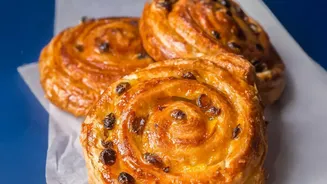
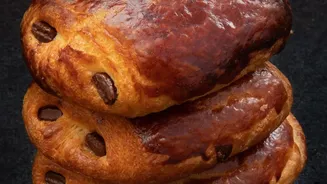
The fusion trend extends far beyond cakes. French macarons, with their delicate shells and creamy fillings, have proven to be an excellent vehicle for Indian spices. Masala Chai Macarons, infused with ginger, cardamom, cinnamon, and cloves, deliver the beloved flavour of chai in a single, elegant bite. Cookies have also been given a desi makeover, with popular creations like Kesar Pista (saffron-pistachio) shortbread and citrus and curry leaf cookies offering a unique blend of sweet and aromatic notes. Even the classic French croissant is being reinterpreted. Home bakers and cafes are stuffing flaky croissants with fillings like badam halwa (almond pudding), creating a delightful breakfast pastry that marries two distinct culinary worlds.
Savoury Bakes Get an Upgrade
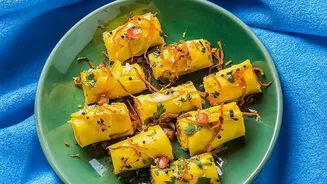
The fusion creativity isn't limited to sweets. Savoury baking is also seeing an influx of Indian flavours. Puff pastry, a versatile global staple, is being used to create innovative snacks. Imagine flaky pockets filled with the sweet and nutty texture of Soan Papdi or savoury puffs with a spicy samosa-inspired filling. Chefs are also experimenting with dishes like South Indian potato-stuffed croissants, which combine the buttery layers of the pastry with a spiced potato masala typically found in dosas. These creations cater to a palate that enjoys complexity and a hint of spice, transforming familiar snacks into something entirely new. Even lasagne and pot pies are getting Indian makeovers with fillings like corn and pimento or tandoori-spiced vegetables.
A Celebration of Modern Indian Identity
This trend of fusion baking is more than just a culinary experiment; it’s a confident expression of modern Indian identity. It shows a generation of cooks and food lovers who are comfortable playing with their culinary heritage, unafraid to mix, match, and innovate. They are taking flavours that have defined Indian cuisine for centuries and presenting them in new forms that appeal to a globalised palate. Creations like Gajar Halwa Tarts—where slow-cooked carrot pudding is baked in a crisp pastry shell—perfectly symbolise this blend of old and new. It's a way to honour tradition while embracing the excitement of the contemporary food world, ensuring that the essence of Indian flavours continues to evolve and delight in new and unexpected ways.