

Our Star’s 11-Year Heartbeat
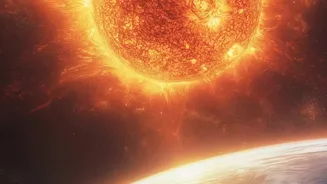
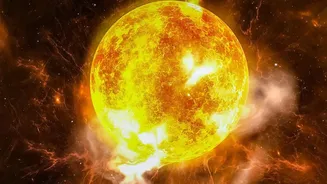
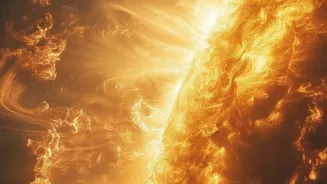
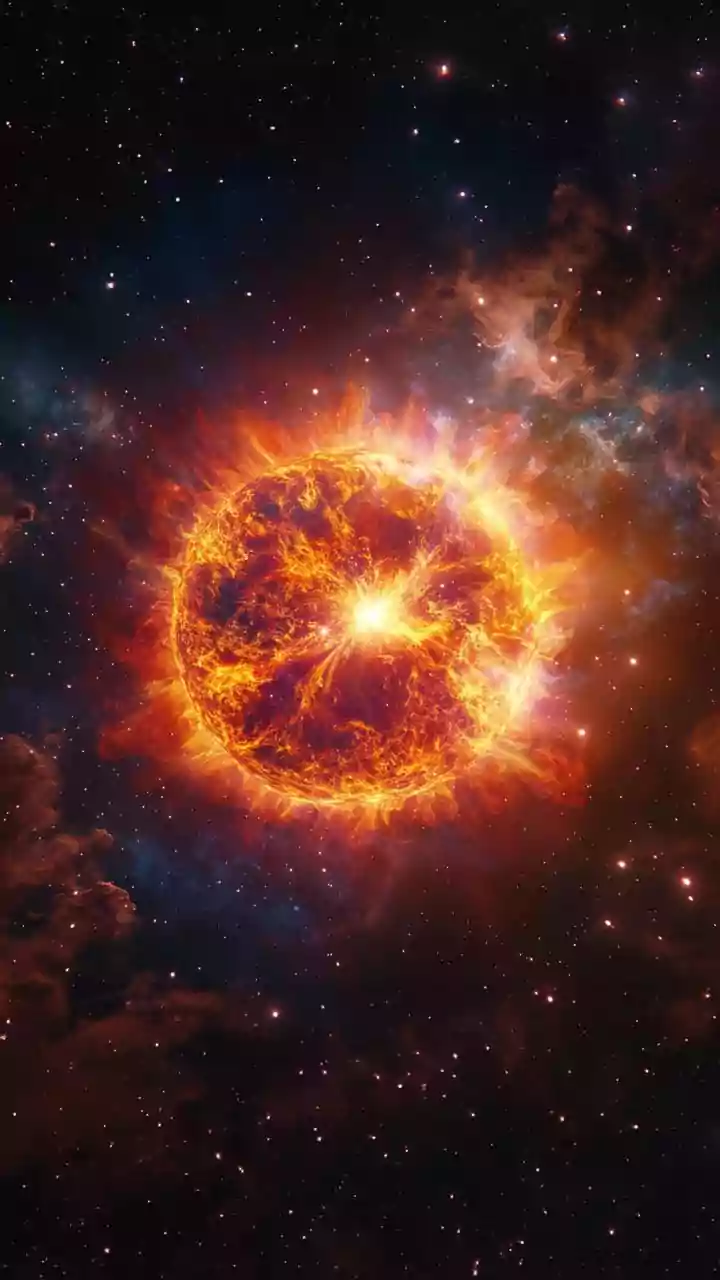
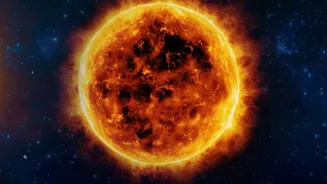
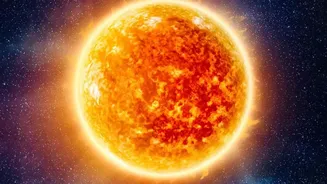
The sun operates on a roughly 11-year cycle, swinging from a quiet period known as solar minimum to a turbulent peak called solar maximum. We are currently in the midst of Solar Cycle 25, which began in December 2019. During solar maximum, the sun's magnetic
field becomes tangled and chaotic, leading to a dramatic increase in sunspots—dark, planet-sized areas of intense magnetic activity on the sun's surface. These sunspots are the breeding grounds for colossal explosions: solar flares and coronal mass ejections (CMEs). A solar flare is an immense burst of radiation that reaches Earth in just eight minutes, while a CME is a giant cloud of solar plasma and magnetic fields that travels more slowly, taking a few days to reach us. This cycle defied initial predictions of being weak, proving to be far more energetic and providing a wealth of data and spectacle.
The Scientist’s Perspective: A Cosmic Laboratory
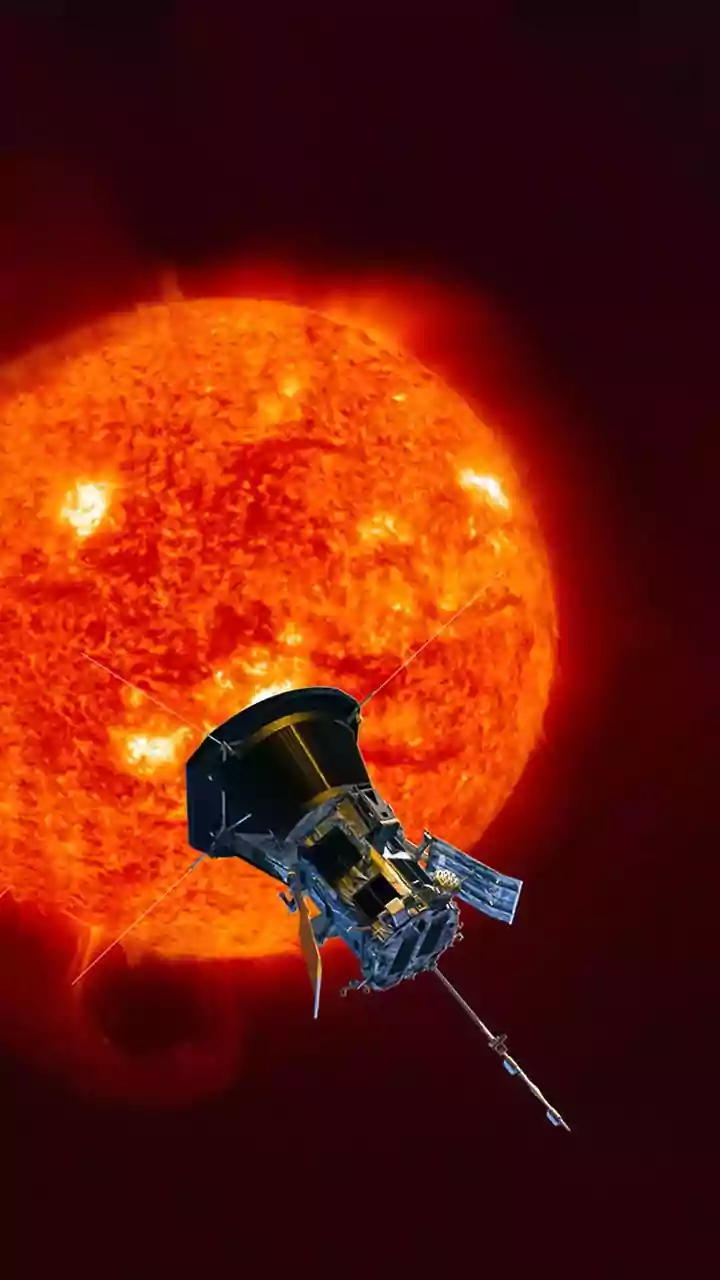
For scientists, this heightened activity is an unparalleled opportunity. The powerful eruptions serve as a natural laboratory for studying fundamental processes that are common throughout the universe, such as magnetic reconnection and particle acceleration. But the interest is also deeply practical. This period of intense 'space weather' is the ultimate stress test for the technologies our modern world is built on. Researchers at organisations like NASA and NOAA are captivated because each major solar event allows them to refine their models for predicting space weather. Understanding how these storms travel through space and interact with Earth's magnetic field is critical for protecting our vital infrastructure. The unexpectedly strong nature of this cycle provides new data that challenges old assumptions, forcing a re-evaluation of just how powerful the sun's influence on Earth can be.
The Risk to Our High-Tech World
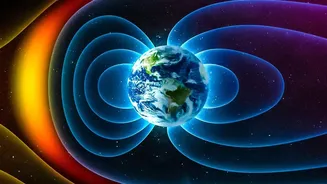
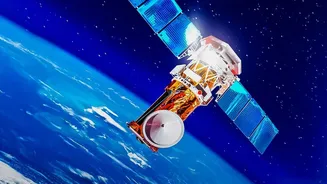
The same events that fascinate scientists also pose a tangible threat. When a CME slams into Earth's magnetosphere, it can trigger a geomagnetic storm. These storms can induce extra electrical currents in our power grids, potentially causing widespread blackouts. Satellites orbiting outside the protection of much of our atmosphere are particularly vulnerable; the radiation can damage their electronics, and increased atmospheric drag from a heated upper atmosphere can alter their orbits. This puts everything from GPS navigation and financial transactions to television broadcasts and weather forecasting at risk. Solar flares can cause high-frequency radio blackouts on the sunlit side of the Earth, disrupting communications for aircraft and emergency services. For scientists, studying these eruptions isn't just academic—it's about building resilience against a natural hazard that can impact daily life.
The Aurora Viewer’s Dream: A Celestial Light Show
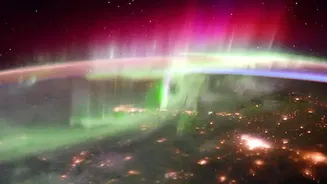
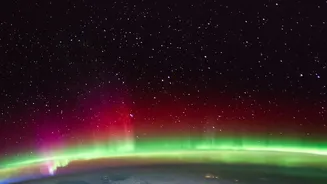
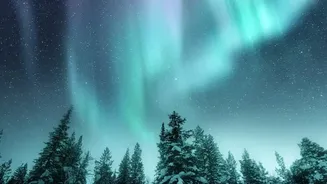
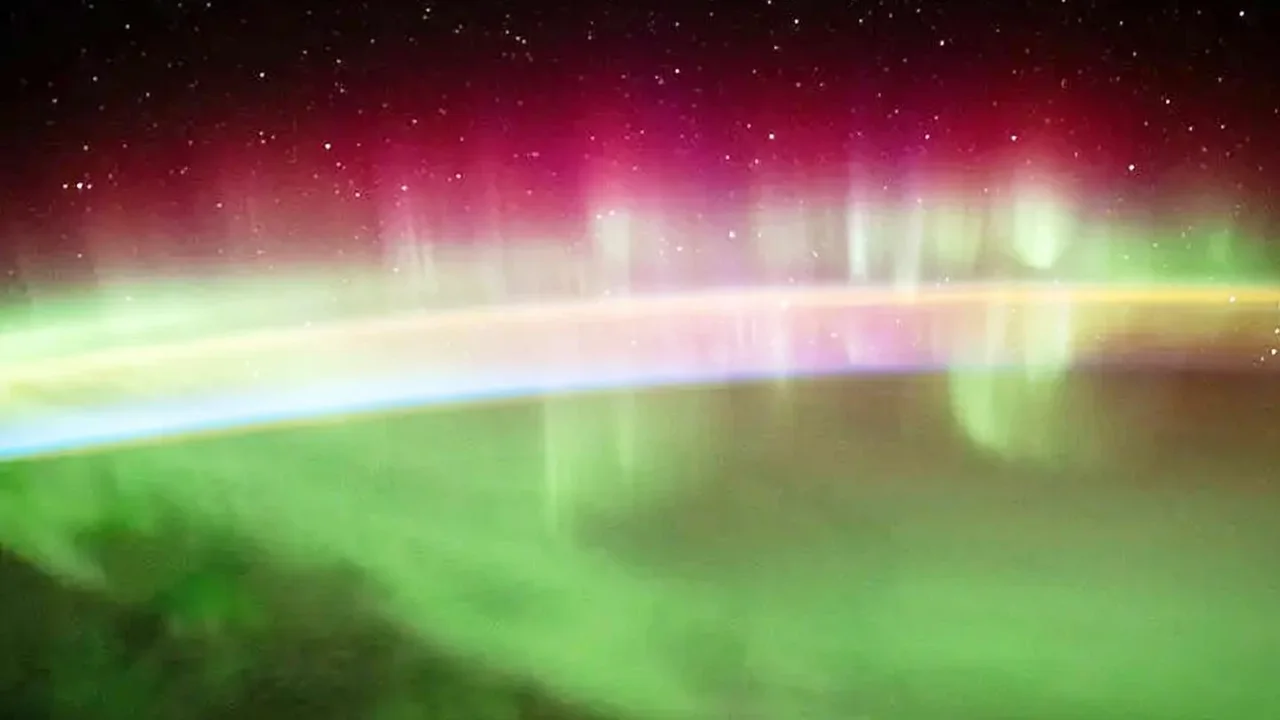
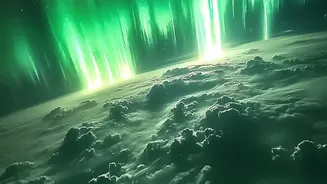
While scientists look on with a mix of curiosity and concern, another group watches with pure wonder: aurora viewers. The beautiful, dancing lights of the aurora borealis (northern lights) and aurora australis (southern lights) are the most stunning visual manifestation of a geomagnetic storm. They occur when charged particles from the sun, carried by a CME, collide with gases like oxygen and nitrogen in Earth's upper atmosphere. During solar maximum and its active declining phase, these displays become more frequent, more intense, and visible at much lower latitudes than usual. People in regions that rarely, if ever, see auroras have been treated to spectacular light shows. The increased solar activity means the lights are often more dynamic, with vibrant and rare colours like pinks and deep reds making an appearance. Aurora chasers use forecasts that track solar activity, like the Kp-index, to know when to head out for the best views, which are typically found away from city lights around local midnight.
An Enduring Spectacle
Although scientific analysis suggests the absolute peak of Solar Cycle 25 occurred in late 2024, the show is far from over. Historically, some of the most significant space weather events and intense auroral displays happen during the declining phase of a solar cycle. This means that 2026 remains a prime period for both scientific observation and sky-gazing. The sun's activity is expected to remain high before it slowly trends back toward the next solar minimum around 2030. This extended period of activity gives everyone, from researchers to casual observers, more time to appreciate the immense power of our nearest star.