

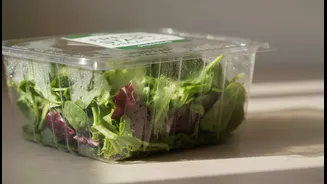




The Link Between Rain and Your Salad Bowl
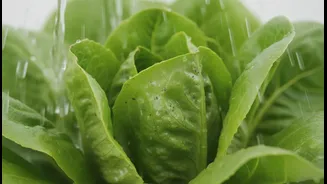
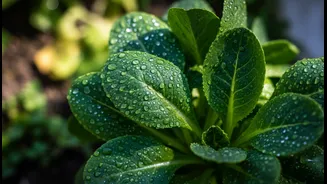
Heavy rain can have a significant impact on how vegetables are grown and harvested. When raindrops hit the soil, they can splash soil-borne bacteria and fungal spores onto the leaves and crevices of leafy greens like lettuce, spinach, and cabbage. This
is a primary way that contaminants from the environment, including from animal waste in nearby areas, can find their way onto our food. Studies have shown that rainfall and subsequent flooding can lead to the spread of bacteria like E. coli from the soil to lettuce crops. The high moisture and humidity that accompany wet weather create an ideal breeding ground for these microorganisms to multiply.
Understanding the Contaminants
The term “spores” can refer to fungal spores, which are plentiful in damp conditions, but the more immediate concern for food safety is often bacteria. Leafy greens are particularly susceptible to contamination with harmful bacteria such as E. coli, Salmonella, and Listeria. These pathogens are naturally present in the environment and can cause significant gastrointestinal distress if ingested. While many bacteria are harmless, the types that thrive in soil and can be transferred via rain or contaminated irrigation water pose a real risk, leading to symptoms like diarrhoea, cramps, and vomiting.
Why 'Sensitive Stomachs' Are More at Risk
For most healthy individuals, ingesting a very small number of these microbes might not cause any noticeable illness. However, for people with sensitive digestive systems—such as those with Irritable Bowel Syndrome (IBS), a compromised immune system, the elderly, or young children—the threshold is much lower. Their digestive systems may be more easily overwhelmed, and even low levels of contamination can trigger uncomfortable or severe symptoms. During monsoon seasons, it's noted that digestion can naturally slow down, making people more vulnerable to infections. The headline's use of "toxic" can be understood as causing significant gastrointestinal upset, rather than being poisonous in the traditional sense.
Your Best Defense: Smart Washing Techniques
The good news is that you don't have to give up salads, even during the rainy season. Proper washing is your most effective tool for removing dirt, debris, and a significant portion of microbes. The best practice is to separate the leaves first. Soaking the leaves in a large bowl of cool, clean water for a few minutes allows grit and soil to sink to the bottom. After soaking, rinse each leaf individually under running water, gently rubbing any crevices. A salad spinner is excellent for drying the leaves thoroughly, which is an important step as leftover moisture can encourage bacterial growth. While some suggest a vinegar wash, studies show that clean, running water is highly effective on its own.
Beyond Washing: More Tips for a Safer Salad
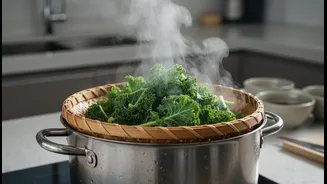
In addition to washing, a few other habits can reduce your risk. Always wash your hands with soap and water before handling produce. Discard the outer leaves of lettuces and cabbages, as they are often the most exposed. Be sure to remove and throw away any parts of the greens that are wilted, slimy, or damaged, as bacteria can enter through these openings. During periods of particularly high humidity or if you are especially sensitive, you might consider opting for cooked greens over raw salads. Cooking is a reliable way to kill any lingering pathogens.