

Beyond the Checklist
For many avid birders, the 'lifer'—the first time a new species is seen and identified—is a moment of pure triumph. This pursuit often transforms a trip into a mission: to accumulate as many new sightings as possible, creating a checklist of avian trophies.
The Andaman Islands, with over 270 bird species, including many endemics found nowhere else on Earth, are a tempting destination for this very reason. Yet, deep in the rainforests of South Andaman, a more profound approach to birding is gaining favour. Travellers are discovering that the true value of a trip isn’t measured by the length of their sightings list, but by the depth of their connection to the wild. This philosophy suggests that chasing a list can sometimes mean you see the birds, but miss the forest.
The Forest's Living Symphony
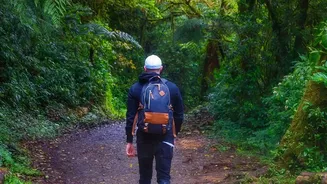
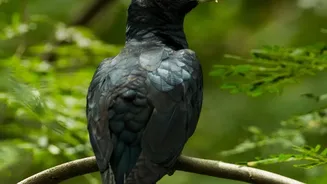
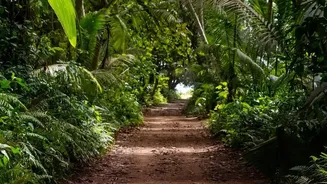
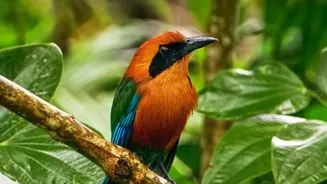
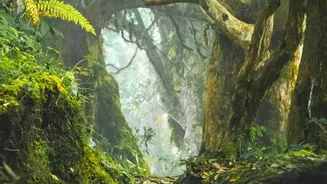
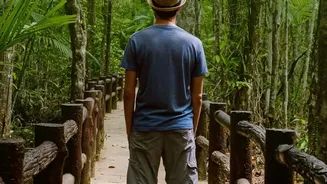
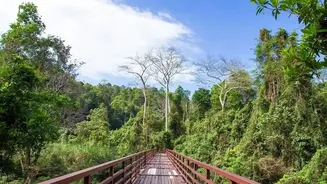
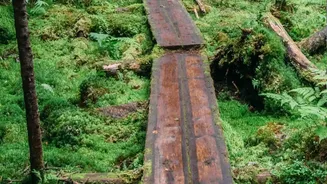
Imagine walking a trail in Mount Harriet National Park or Chidiya Tapu, which literally translates to 'Bird Island'. The air is thick with the scent of damp earth and tropical blossoms. A chorus of unseen creatures hums, clicks, and whistles from the dense canopy. A flash of vibrant colour might be an Andaman Woodpecker, while a distinctive call could belong to an Andaman Cuckoo-Dove. Without an expert, these are fleeting, isolated moments. A quality guide, however, acts as a conductor for this natural symphony. They don't just point to a bird; they interpret its call, explain its role in the ecosystem, and share stories about its behaviour. They transform a simple walk into a living narrative, revealing the intricate relationships between the flora and fauna that a checklist simply cannot capture.
The Makings of an Expert Guide
What separates a great guide from a mere spotter? A spotter can show you a bird, but a true guide can make you understand it. In the context of South Andaman's unique biodiversity, this distinction is crucial. An expert guide possesses an encyclopedic knowledge that goes far beyond identification. They know the best times and locations, from the wetlands of Sippighat to the forests of Mount Harriet, to find specific species. They can distinguish the call of an Andaman Serpent-eagle from a dozen other sounds and can lead you on a night trail to find elusive owls like the Andaman Scops-Owl. More importantly, these guides are often local residents with a deep-rooted passion for conservation. They provide insights into the local culture and the challenges facing the islands' fragile ecosystems, such as habitat loss affecting species like the 'Vulnerable' Andaman Woodpecker. Their expertise turns a holiday into an education.
An Investment in a Deeper Experience
Hiring a professional guide is an investment, but it redefines the entire travel experience. For overseas visitors or even those from mainland India, navigating the logistics of permits for protected areas, transportation, and ferry schedules can be daunting. A good guide handles all of this, maximising precious time in the field that might otherwise be lost to logistical hurdles. More profoundly, they elevate the purpose of the trip. Instead of a frantic race to tick boxes, the journey becomes an immersive masterclass in the natural world. You learn to listen more intently, to observe more patiently, and to appreciate the complexity of the habitat. Sightings of rare birds like the Andaman Crake or the striking Andaman Treepie become the rewarding culmination of a shared effort, not just a fleeting glimpse.
Sustainable Tourism in Practice
Choosing an experienced local guide is also a powerful act of sustainable tourism. It ensures that your travel funds directly support the local community and individuals who are on the front lines of conservation. These guides are often advocates for the ethical treatment of wildlife, using minimal playback of bird calls and prioritising the well-being of the animals over getting a perfect photograph. By valuing their expertise, travellers contribute to a model of tourism that respects both the environment and the local culture. This approach fosters a sense of shared stewardship, where visitors leave with not only memories and photographs, but also a greater appreciation for why these unique island ecosystems are worth protecting for generations to come.