



Why Raw Foods Are Risky In Monsoon
The high humidity and moisture in the air during the monsoon create a perfect breeding ground for bacteria, fungi, and other pathogens. Leafy greens and other raw vegetables, which are often praised for their health benefits, become potential hazards.
The dampness and proximity to moist soil make them susceptible to contamination that isn't always removed by simple washing. Health experts note a significant increase in stomach infections, food poisoning, and other waterborne illnesses during this period, frequently linked to the consumption of raw or improperly handled food. Street food, pre-cut fruits, and raw salads are particularly risky as they can be exposed to contaminated water and unhygienic conditions.
Your Gut on Monsoon Alert
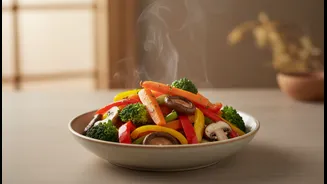
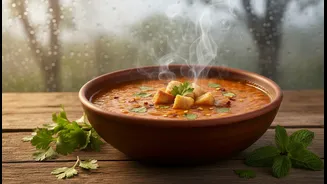
It’s not just about external germs; your internal system also changes with the season. According to both modern nutrition and traditional Ayurvedic wisdom, our digestive system tends to slow down and become weaker during the monsoon. This makes it harder for our bodies to break down and digest heavy or raw foods. Eating cooked meals is advisable because the process of cooking not only kills harmful germs but also makes the food easier for our gut to process. Warm, light foods like soups, stews, and steamed vegetables are recommended to keep the digestive system functioning smoothly without the added stress of fighting off potential contaminants.
The Rise of Microgreens: A Safer Choice
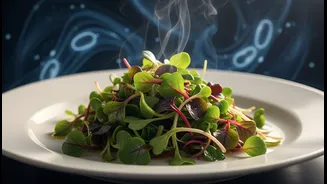
Enter microgreens—the perfect monsoon-friendly substitute for your salad bowl. Often confused with sprouts, microgreens are young vegetable greens harvested just after the first true leaves appear. Unlike sprouts, which are grown in water and carry a higher risk of bacterial contamination, microgreens are grown in soil and harvested by cutting the stem above the soil line. This fundamental difference in cultivation makes them a significantly safer option for consumption. Furthermore, they are packed with flavour and nutrients, often containing 4 to 40 times more vitamins and antioxidants than their mature counterparts.
Why Sautéing is the Smart Solution
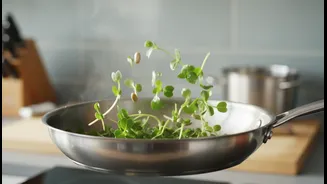
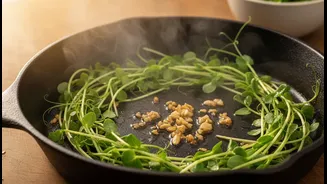
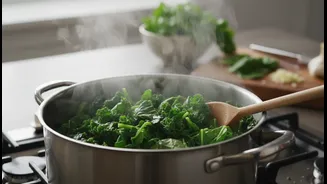
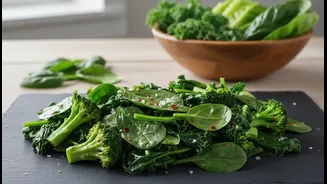
While microgreens are safer than many other raw greens, cooking them provides an extra layer of safety during the monsoon. Lightly sautéing microgreens helps eliminate any surface pathogens without significantly compromising their nutritional value. In fact, gentle cooking can make some nutrients, like antioxidants, more available for your body to absorb. The key is to cook them briefly over low heat, perhaps adding them to dishes like dal, stir-fries, or omelettes in the final minutes before serving. This preserves their delicate texture and ensures you get a nutrient-dense, delicious, and gut-friendly meal.
How to Incorporate Sautéed Microgreens
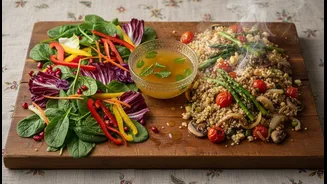
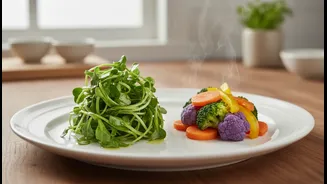
Making the switch is easy and delicious. You can add a handful of lightly wilted microgreens to almost any dish. Stir them into a warm bowl of dal or khichdi for a pop of colour and nutrients. Toss them with pasta or add them as a final touch to a vegetable stir-fry. They also work wonderfully folded into scrambled eggs or an omelette just before it’s fully cooked. You can even add them to soups and stews right before serving. This simple swap allows you to enjoy the benefits of fresh greens while protecting your health during the vulnerable monsoon months.