







From Passive Viewers to Active Spenders
Generation Z, the first cohort of true digital natives, has a fundamentally different relationship with media than any generation before. Having grown up with smartphones and on-demand content, their entertainment is not confined to television screens
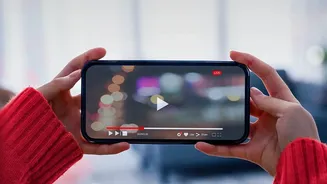
or movie theatres. It’s an always-on, interactive ecosystem spanning gaming, social media, and live streaming. This constant engagement has transformed them from passive consumers into active economic participants. Platforms like TikTok, YouTube, and Twitch are not just for fun; they are sprawling marketplaces where culture is created, and commerce happens in real-time. For this generation, the line between consuming content and shopping has almost completely disappeared.
The Billion-Dollar Market of Digital Goods
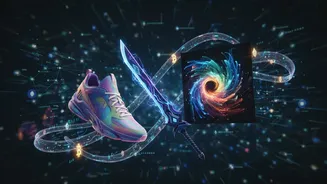
One of the most significant shifts in Gen Z’s spending is the value they place on digital assets. In the world of online gaming, microtransactions for in-game items—like character skins, special abilities, or decorative accessories—have become a massive industry. Reports show that Gen Z is significantly more likely than older generations to purchase these digital goods. In fact, a vast majority of young gamers have made in-game purchases to personalize their experience or unlock exclusive content. This isn't just about gaining a competitive edge; it’s about self-expression and social status within digital communities. Spending a few dollars on a virtual outfit in a game like Fortnite or Roblox can carry the same social weight as buying a new pair of sneakers in the physical world.
The Power of the Creator Economy
Perhaps no force is more powerful in shaping Gen Z’s purchasing decisions than the creator economy. This generation places immense trust in the influencers and streamers they follow, viewing them as more authentic and relatable than traditional celebrities or polished brand advertisements. Research indicates that a majority of Gen Z consumers have purchased a product based on a creator's recommendation. This influence spans everything from beauty and fashion to electronics and food. The model has evolved beyond simple endorsements. Fans now directly support creators through channel subscriptions, donations during live streams, and buying creator-branded merchandise. Live stream shopping events on platforms like TikTok Shop create a sense of urgency and social proof, driving impulse buys through a fear of missing out.
Blurring the Lines Between Online and Offline
While much of this new economy is digital, its influence extends powerfully into the physical world. The journey from discovery to purchase is no longer linear. A Gen Z shopper might discover a new fashion trend from a creator on Instagram, research it via video reviews on YouTube, and then purchase it in a physical store. This 'phygital' behaviour works both ways, as in-store browsing can also lead to a later online purchase. Brands are increasingly a part of live and virtual events, where exclusive merchandise and brand activations drive significant spending. The experience itself—whether a gaming tournament or a virtual concert—becomes a shopping opportunity, further cementing the link between entertainment and commerce.
A New Definition of Economic Value
Ultimately, the shift in Gen Z's spending habits reflects a broader change in what they consider valuable. Their spending is increasingly directed towards experiences over physical objects, and digital identity is a key part of that. They are willing to pay for access to communities, personalized digital experiences, and a sense of connection with the creators they admire. While they remain price-conscious, they will spend more on brands that align with their values or offer a seamless, mobile-first shopping experience. This generational shift is not just a passing trend but a structural change in consumer behaviour. As Gen Z’s spending power continues to grow into the trillions, the entertainment-driven economy they are pioneering will become the new standard.