


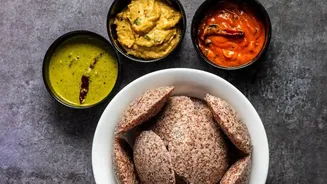

The Ancient Supergrain: What is Ragi?
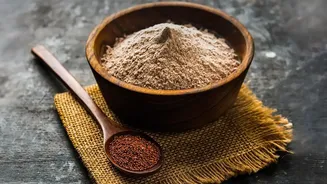
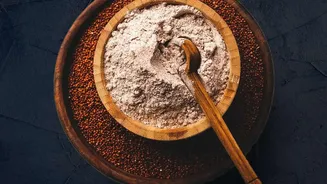
Ragi, also known as nachni or finger millet, is a hardy cereal grain that has been a staple in Indian households for thousands of years. Renowned for its ability to thrive in tough agricultural conditions, this tiny grain packs an enormous nutritional
punch. It is naturally gluten-free, making it an excellent and safe choice for individuals with celiac disease or gluten sensitivity. As awareness about gut health and gluten-free diets grows across India, ragi is being rediscovered as a wholesome, sustainable, and incredibly versatile ingredient in the modern kitchen. Its mild, earthy flavour pairs well with both sweet and savoury preparations, making it a fantastic addition to a balanced diet.
A Powerhouse of Essential Nutrients
The health benefits of ragi are immense, thanks to its dense nutritional profile. It is one of the best plant-based sources of calcium, crucial for maintaining strong bones and teeth, making it especially beneficial for children and older adults. Ragi is also rich in dietary fibre, which aids digestion, promotes a feeling of fullness to help with weight management, and supports overall gut health. Furthermore, it is a good source of iron, which helps combat fatigue and is vital for healthy red blood cell production. The grain also contains essential amino acids like tryptophan and methionine, which are important for repairing body tissue and other vital functions.
The Gluten-Free Advantage and Blood Sugar Control
For those on a gluten-free diet, ragi is a nutritional hero. Unlike wheat, barley, or rye, it contains no gluten-forming proteins, offering a safe and healthy alternative for everyday meals. Beyond being gluten-free, ragi has a low glycemic index. This means it releases sugar into the bloodstream slowly, preventing sudden spikes and crashes in energy levels. This quality makes it an ideal food for individuals managing diabetes or anyone looking to maintain stable energy throughout the day. The high fibre content further slows down starch absorption, contributing to better blood sugar regulation.
Preparing the Perfect Ragi Crepe Batter
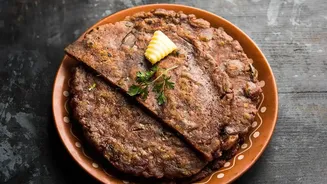
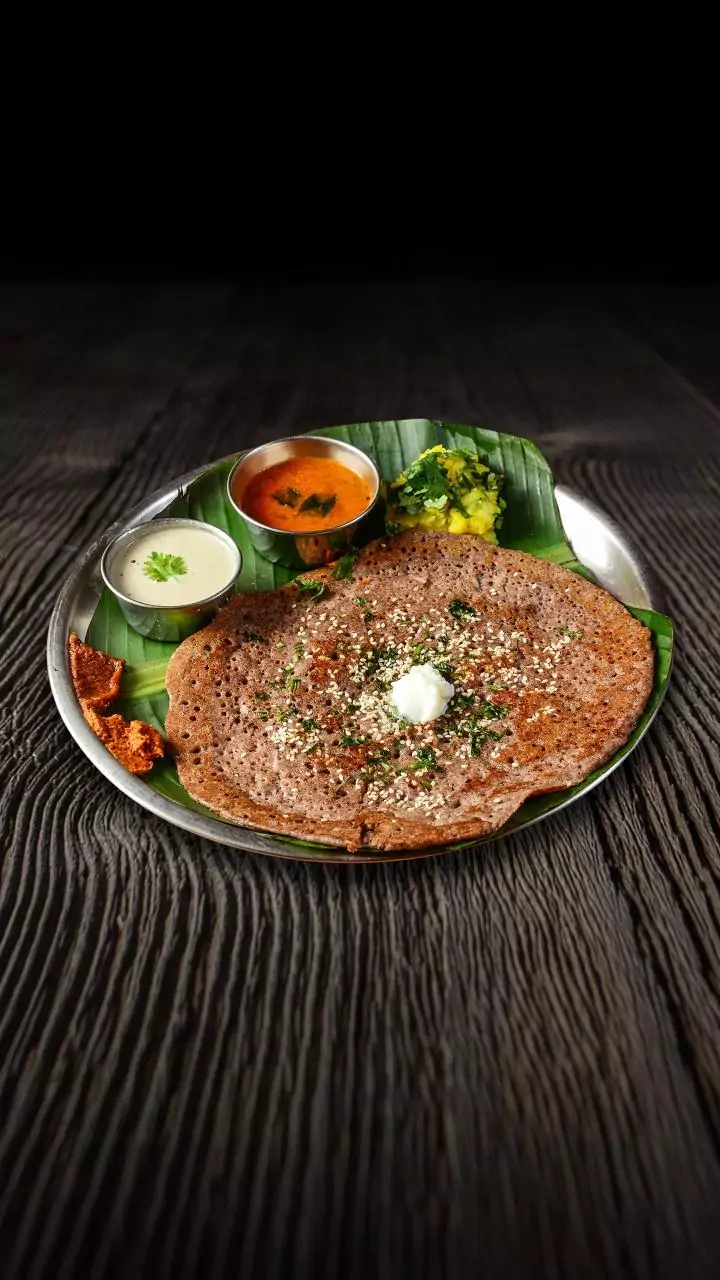
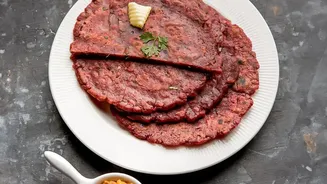
Making a basic ragi crepe batter is surprisingly simple. For a straightforward, savoury version often called a 'cheela', you can create an instant batter. In a mixing bowl, combine one cup of ragi flour with about a quarter cup of rice flour for crispiness. To this, add a quarter cup of curd (yoghurt), finely chopped onion, green chillies, grated ginger, and cumin seeds for flavour. Gradually whisk in water until you have a smooth, flowing batter that is slightly thinner than a typical dosa batter. Let it rest for 15-20 minutes to allow the flavours to meld before cooking. For a sweeter crepe, you can blend ragi flour with milk, a touch of jaggery or sugar, a pinch of salt, and an egg for binding. This batter can even be prepared the night before for a quick breakfast.
Tips for Delicious and Healthy Crepes
To cook the perfect ragi crepe, heat a non-stick or cast-iron tawa over medium heat and lightly grease it with ghee or oil. Pour a ladleful of the batter onto the centre and swirl the pan to spread it into a thin circle. Drizzle a little oil around the edges and cook until the sides begin to lift and the base is golden brown and crisp. These crepes are delicate and often don't need flipping. Serve your savoury crepes hot with chutney or a side of vegetables. Sweet crepes are delicious when filled with fresh fruits like banana or berries, a drizzle of honey, or a dollop of Greek yoghurt.