





Start with a Clean Canvas
Before you even think about foundation, your skin must be completely clean. Using a gentle, hydrating cleanser removes any dirt, excess oil, or leftover product from the night before. This step is crucial because applying makeup over impurities can lead
to clogged pores and an uneven, patchy application. Think of your face as a painter's canvas; you need a smooth, clean surface for the best results. Opt for a cleanser that suits your skin type to maintain its natural balance without stripping essential moisture. Pat your skin dry gently with a clean towel, avoiding any harsh rubbing that could cause irritation.
Layer Your Hydration
Moisture is the cornerstone of protected skin under makeup. After cleansing, apply a hydrating toner or essence to balance your skin's pH. This is followed by a targeted serum. Look for products containing humectants like hyaluronic acid or glycerin, which act like magnets for moisture, drawing water into the skin. This plumps up the skin, helps makeup glide on smoothly, and prevents it from settling into fine lines. For an extra boost, especially if you have dry skin, a hydrating facial mist can add another refreshing layer of moisture.
Lock It In with Moisturizer
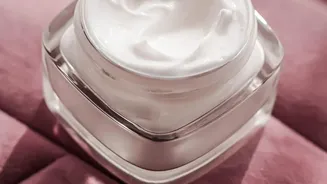
Once your serum has been absorbed, it's time to lock in all that hydration with a good moisturizer. This step is non-negotiable, even for oily skin types. A well-moisturized base prevents the skin from absorbing the moisture from your foundation, which is a common cause of a cakey appearance. Look for moisturizers with ingredients like ceramides, which help strengthen the skin's natural barrier. Choose a formula that is lightweight, fast-absorbing, and non-greasy to ensure it sits well under makeup without pilling. Allow it to fully absorb for a few minutes before moving on.
Create a Protective Barrier with Primer
Primer is the essential final step in your prep routine. It acts as a protective barrier between your skin and your makeup, preventing direct contact that can lead to clogged pores and irritation. A good primer not only helps your makeup last longer but also creates a smooth, even texture by blurring pores and filling in fine lines. Many modern primers are formulated with skin-loving ingredients, offering additional hydrating or mattifying benefits. For heavy makeup, a silicone-based primer can be particularly effective at locking in moisture and creating a resilient base.
Don't Forget Sun Protection
Sunscreen is a daily necessity, and it's just as important on days you wear heavy makeup. Harmful UV rays can damage your skin even on cloudy days. The key is to find a formula that layers well. Look for a lightweight, broad-spectrum sunscreen with an SPF of 30 or higher. Apply it after your moisturizer but before your primer. Alternatively, you can use a moisturizer or primer that already contains SPF to streamline your routine. This shields your skin not only from sun damage but also from environmental stressors that can break down makeup.
The Aftercare: Removal and Recovery
What you do at the end of the day is just as critical as the prep. Never sleep in heavy makeup. The most effective way to remove it all is the double-cleanse method. Start with an oil-based cleanser or balm to melt away stubborn foundation, waterproof mascara, and pigments. Follow up with a gentle, water-based cleanser to wash away any remaining residue. After cleansing, replenish your skin's moisture with a nourishing night cream or an overnight hydrating mask to help it repair and regenerate while you sleep.