





It’s a familiar story: you buy beautiful, fresh produce with the best intentions, only to find wilted greens and overripe fruit in your fridge days later. Much of this waste comes down to an invisible force at play: ethylene gas.
The Invisible Ripener: What is Ethylene?
Ethylene is a natural,
odorless, and colorless plant hormone released as a gas by many fruits and vegetables. Think of it as a chemical signal that tells produce to ripen. This process involves softening, changing color, and becoming sweeter. While this is a natural part of a plant's life cycle, when high-ethylene producers are stored next to items that are sensitive to the gas, it dramatically speeds up spoilage. The gas from one ripe apple, for instance, can quickly cause the rest of the fruit in the bowl to overripen and decay. Understanding this interaction is the key to making your groceries last longer.
The Gassy Bunch: High-Ethylene Producers
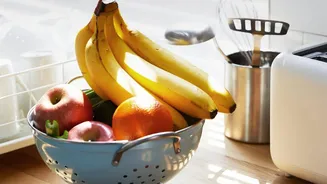
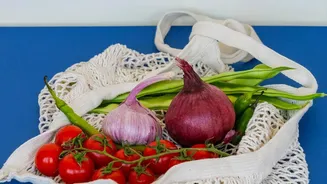
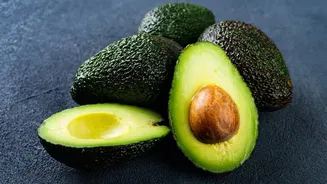
Some produce items are notorious for releasing high levels of ethylene gas as they mature. Keeping these items isolated is your first line of defense against premature spoilage. The most common ethylene producers you'll find in your kitchen include: apples, ripe bananas, avocados, cantaloupe, peaches, pears, plums, and tomatoes. Even potatoes and green onions are known to release ethylene. Storing these items by themselves—either on the counter away from other produce or in their own designated space in the pantry—can prevent them from prematurely ripening everything around them.
The Sensitive Squad: Produce to Protect
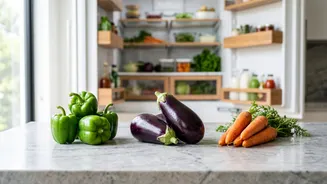
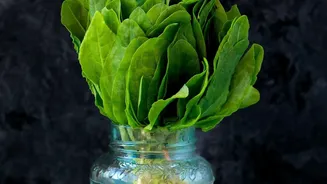
On the other side are the ethylene-sensitive items. These fruits and vegetables react to ethylene by spoiling quickly, often showing signs like yellowing, wilting, or developing bitter flavors. Leafy greens like lettuce and spinach, for example, can turn yellow and limp in a matter of days when exposed to ethylene. Other highly sensitive produce includes: asparagus, broccoli, carrots, cucumbers, eggplant, green beans, and summer squash. Unripe bananas are also very sensitive, which is why they ripen so quickly when placed next to a ripe one. Protecting these items from the 'gassy bunch' is crucial for extending their freshness.
A Simple Storage Game Plan
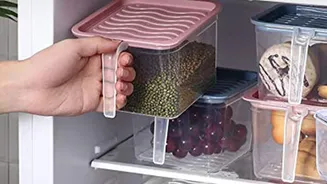
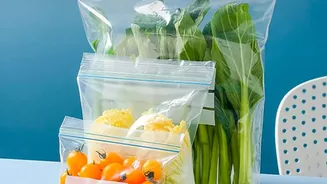
Putting this knowledge into practice doesn't require a complete kitchen overhaul. It’s about creating simple habits. Store high-ethylene producers like apples, ripe bananas, and tomatoes on your countertop, but keep them in their own separate bowls. Use your refrigerator’s crisper drawers strategically. Many fridges have adjustable humidity settings for these drawers. Designate one drawer for ethylene-producing fruits like pears and peaches, and the other for ethylene-sensitive vegetables like leafy greens and broccoli. For particularly sensitive items like carrots and celery, storing them in perforated bags in the fridge can help maintain moisture while allowing some airflow. Remember that cold temperatures slow down the effects of ethylene, so moving a ripening fruit from the counter to the fridge can buy you a few extra days.