





Step 1: Go for a Gentle, Effective Cleanse
In humid weather, sweat, oil, and daily pollutants can form a film on your skin, leading to congestion. Start your morning and end your day by washing your face, but resist the urge to use harsh, stripping scrubs. Over-washing can damage your skin barrier
and ironically trigger even more oil production. Instead, opt for a mild gel or foaming cleanser, which can effectively remove impurities without causing irritation. For evening routines, especially if you wear makeup or sunscreen, a double cleanse using a light cleansing oil followed by a gel wash can ensure your pores are thoroughly clean and ready for the next steps.
Step 2: Exfoliate, But Don't Overdo It
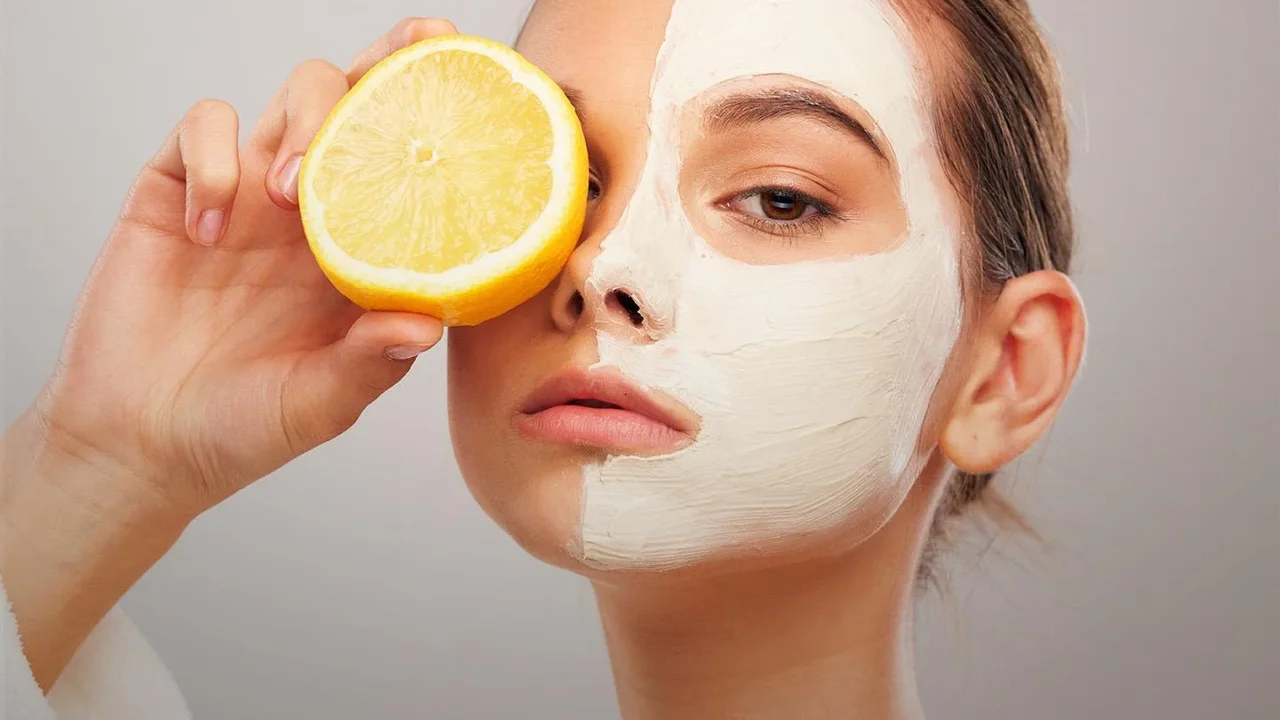
Exfoliation is crucial for preventing the buildup of dead skin cells that can contribute to breakouts in moist air. However, aggressive physical scrubs can be too harsh. A better approach is to use a chemical exfoliant containing ingredients like salicylic acid (a BHA) or glycolic acid (an AHA) two to three times a week. Salicylic acid is particularly beneficial as it is oil-soluble and can penetrate deep into pores to clear out congestion. A weekly clay mask can also work wonders to absorb excess oil and purify the skin.
Step 3: Hydrate with Lightweight Serums
It might seem counterintuitive to add moisture when the air is already damp, but hydrated skin is balanced skin. The key is to choose the right kind of hydration. Heavy creams can feel suffocating and clog pores in high humidity. Instead, reach for lightweight, water-based serums. Look for ingredients like hyaluronic acid, which draws moisture into the skin for hydration without heaviness, and niacinamide, which helps regulate oil production and reduce inflammation. These serums absorb quickly, leaving your skin feeling refreshed, not greasy.
Step 4: Choose a Gel-Based Moisturiser
Yes, you still need a moisturiser, even in the stickiest weather. A moisturiser helps to lock in the hydration from your serum and maintain your skin's protective barrier. The trick is to ditch thick, occlusive creams for the season. Gel-based or water-based moisturisers are your best friends in a humid climate. These formulas provide essential hydration but feel weightless on the skin, absorbing almost instantly without leaving a greasy film. Always look for products labelled “non-comedogenic,” which means they are specifically formulated not to clog pores.
Step 5: Never, Ever Skip Sunscreen
Sun protection is non-negotiable every single day, regardless of the weather. The challenge in humidity is finding a formula that doesn't feel like a heavy, sticky mask. Luckily, modern sunscreens have evolved. Look for gel, fluid, or serum-based sunscreens with at least SPF 30. These lightweight options offer broad-spectrum protection without the greasy feel of traditional creams. Many are formulated with a matte finish to help control shine throughout the day, making them perfect for oily or combination skin in humid conditions. For sensitive skin, a mineral-based formula with zinc oxide can be a gentle and effective choice.