





Know What a Red Alert Means
First, understand the gravity. A 'Red Alert' for rainfall, issued by the India Meteorological Department (IMD), is the highest level of warning. It signals expectations of extremely heavy rainfall (over 204.5 mm in 24 hours) that can lead to severe flooding,
landslides, and major disruption of services like transport and power. The official advice during a red alert is often to avoid travel altogether unless absolutely necessary. If your trip is for leisure, the safest action is to postpone. If travel is unavoidable, you must be thoroughly prepared for hazardous conditions.
Pre-Departure Vehicle Checks
Your vehicle is your first line of defence. Do not skip these checks. Start with your tyres; ensure they have adequate tread depth to grip wet, slippery roads and prevent aquaplaning. Check your brakes, as stopping distances increase significantly on wet surfaces. Inspect your wiper blades and replace them if they are worn or leave streaks. A clear windscreen is non-negotiable in a downpour. Finally, test all your lights: headlights, taillights, fog lamps, and indicators are crucial for visibility in heavy rain and fog, which is common in the ghat sections.
Route Awareness and Planning
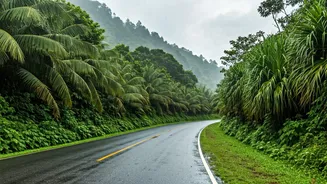
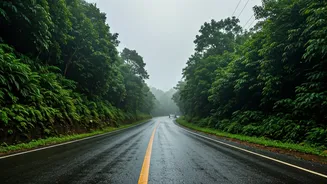
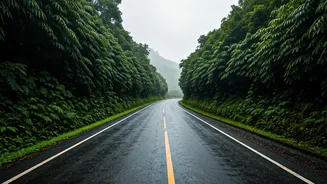
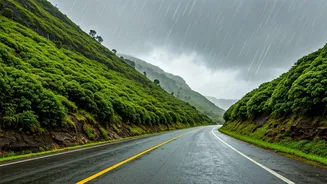
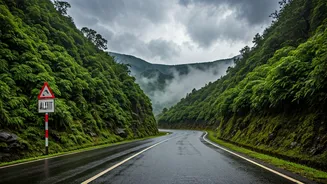
The route via the NH48 and then the Wai-Mahabaleshwar road involves navigating ghat sections like the Khambatki Ghat and the Pasarni Ghat, both of which are susceptible to delays. The entire stretch of the Western Ghats, including the areas around Lonavala and Mahabaleshwar, is prone to landslides during intense monsoon spells. Before you leave, check official sources like the Maharashtra State Police or district administration's social media pages for real-time updates on road closures, landslides, or traffic diversions. Always have an alternative route in mind, but be aware that smaller rural roads can be even more dangerous. Plan to drive during daylight hours, as visibility can drop to near-zero at night.
The Essential In-Car Emergency Kit
Getting stranded is a real possibility during a red alert. Your emergency kit should be comprehensive. Pack a fully charged power bank, a powerful flashlight with extra batteries, and a first-aid kit. Keep non-perishable snacks and plenty of drinking water. An umbrella, a towel, and a change of dry clothes are also wise additions. Ensure you have basic tools, a functional spare tyre, and jumper cables. It's also vital to have emergency contact numbers for roadside assistance and local authorities saved in your phone.
On-the-Road Driving Strategy
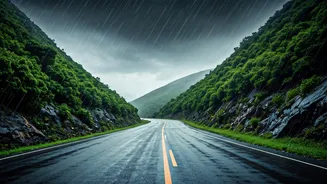
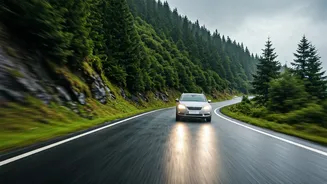
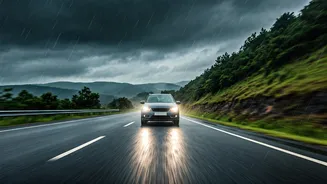
Driving in the ghats during a red alert requires a complete change in technique. Reduce your speed drastically and maintain a much larger following distance from the vehicle ahead. Use lower gears when ascending and descending steep inclines to maintain better control and reduce strain on your brakes. Be extremely wary of waterlogged patches; if you cannot gauge the depth, do not attempt to cross. If you must drive through water, do so slowly in a low gear to prevent stalling. Keep your headlights on low beam to improve your visibility to others without dazzling oncoming traffic. Avoid stopping near steep cuttings or cliff edges, which are potential landslide zones.