





Decoding September's Weather
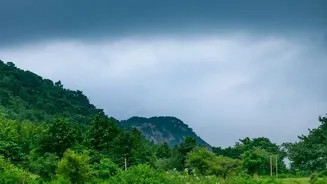
September is a month of transition. While the heaviest of the monsoon showers have passed, the season isn't entirely over. Travellers can expect a mixed bag: bright, sunny days perfect for sightseeing can quickly turn into spells of light to moderate
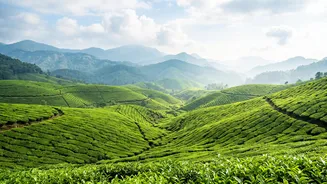
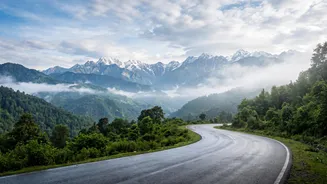
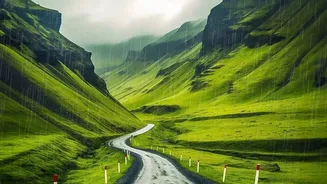
rain. Temperatures are generally pleasant, ranging from cool to mildly warm, making it ideal for walks and exploration. However, the India Meteorological Department (IMD) has warned that an active monsoon spell can persist in the early part of the month, especially in Himalayan states like Himachal Pradesh and Uttarakhand. This means you should prepare for both sunshine and sudden downpours. The post-monsoon air is crisp, and the scenery is exceptionally green and vibrant, with waterfalls in full flow. But this beauty comes with a caveat: the lingering moisture and episodic rain can still impact your plans.
Navigating Road Conditions Safely
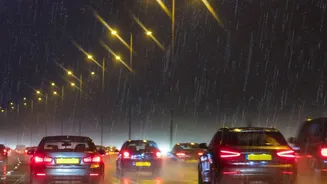
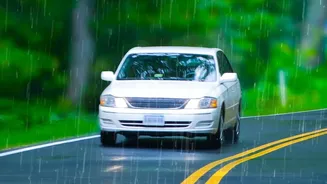
The primary concern for a September hill holiday is the state of the roads. The monsoon season often leaves behind damaged and vulnerable stretches of road. Even as the rain subsides, the risk of landslides, mudslides, and flash floods remains, particularly in states like Himachal Pradesh and Uttarakhand. Recent reports from early September 2026 confirm ongoing disruptions, with numerous roads blocked due to landslides and heavy rain. Authorities often issue travel advisories, urging caution and recommending that tourists avoid landslide-prone areas and stay away from rivers with high water levels. Before you travel, and each day before you drive, check the latest updates from local authorities and traffic police. It’s wise to choose a flexible itinerary that allows for unexpected delays. Avoid travelling at night, and if you're hiring a car, ensure the driver is experienced with mountain roads in post-monsoon conditions.
Your Essential Packing Checklist
Packing for the hills in September requires a 'layering' strategy to adapt to fluctuating temperatures. Your bag should be a mix of light clothing for warm afternoons and warmer layers for cool mornings and evenings. Here’s a quick list of must-haves: Waterproof Gear: A lightweight, waterproof rain jacket or poncho is non-negotiable. An umbrella is also a good idea. Footwear: Pack sturdy, waterproof shoes with good grip for walking on potentially slippery or muddy trails. A pair of comfortable sandals or flip-flops for your hotel is also useful. Clothing: Opt for quick-dry fabrics over cotton, as they handle damp conditions better. Pack several layers: t-shirts, a fleece or light sweater, and a warm jacket. First-Aid Kit: Include basics like antiseptic, bandages, pain relievers, and any personal medications. Also, pack insect repellent and anti-fungal powder. * Electronics: Carry a power bank, as power disruptions can occur. Waterproof pouches or dry bags are essential to protect your phone, camera, and other gadgets.
Planning Your Itinerary and Stays
Given the potential for weather-related disruptions, flexibility is key. September is considered a 'shoulder season,' which means fewer crowds and potentially better deals on accommodation compared to the peak tourist months. However, it's wise not to cram too much into your itinerary. Plan for shorter travel days and build in buffer days in case of road closures or delays. When booking hotels, check their accessibility and inquire about the current local conditions. Opting for stays in more established towns like Shimla, Mussoorie, or Manali might be safer than venturing into very remote areas where connectivity could be an issue. These larger towns are more likely to have better infrastructure and quicker access to assistance if needed. Always share your itinerary with someone back home and keep emergency contact numbers handy.