







Understand Your Actual Daily Needs
The old “eight glasses a day” rule is a general guideline, not a perfect science. For Indians, climate and lifestyle demand a more personal approach. A practical formula is to drink 30-35 ml of water per kilogram of body weight as a baseline. For a 60
kg person, this means about 1.8 to 2.1 litres daily. However, this is just a starting point. On a hot, humid day or if you're physically active—playing cricket, commuting in a crowded train, or hitting the gym—your needs will increase significantly. The Indian Council of Medical Research (ICMR) suggests adults need around 2 litres per day, but this must be adjusted upwards for heat and activity. Instead of sticking to a rigid number, learn to listen to your body.
Don't Wait Until You're Thirsty
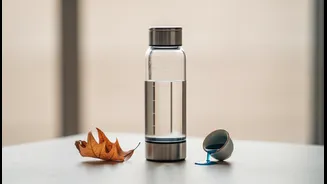
Thirst is a delayed signal. By the time you feel thirsty, you are already mildly dehydrated. This early stage of dehydration can lead to fatigue, headaches, difficulty concentrating, and mood changes. To stay ahead, make sipping water a constant habit throughout the day. A great strategy is to start your day with a glass of water right after waking up, before your morning chai or coffee. Keep a water bottle on your desk or in your bag as a visual reminder. Setting alarms on your phone or using a tracking app can also help build this crucial habit until it becomes second nature.
Monitor Your Body's Hydration Signals
Your body provides clear, real-time feedback on your hydration status. The simplest and most reliable indicator is the colour of your urine. If it's pale yellow or straw-coloured, you're well-hydrated. If it's dark yellow or has a strong smell, you need to drink more water. Other common signs of dehydration include a dry mouth, feeling tired or dizzy, and a noticeable lack of sweat during physical activity. Paying attention to these subtle cues allows you to adjust your water intake proactively before more severe symptoms like muscle cramps or a rapid heart rate set in.
Eat Your Water Through Hydrating Foods
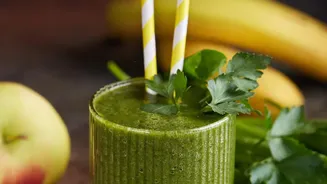
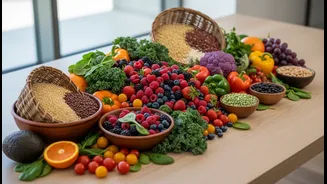
Hydration doesn't come just from beverages. Around 20% of your daily fluid intake can come from the foods you eat. India’s local produce offers a bounty of water-rich options. Fruits like watermelon (92% water), muskmelon, and oranges are excellent choices. Vegetables like cucumber (95% water), tomatoes, and lettuce are also incredibly hydrating. Traditional Indian foods like curd (dahi), which is about 85% water, and dishes like dal and sabzis also contribute significantly to your fluid intake. Incorporating these foods into your daily meals is a delicious and effective way to support your hydration goals.
Make Smart Beverage Choices
While plain water is best, other drinks can help. Coconut water is a fantastic natural hydrator, as it contains electrolytes like potassium that are lost through sweat. Buttermilk (chaas), fresh lime water (nimbu pani), and unsweetened herbal teas are also great options. However, be mindful of sugary drinks like sodas, packaged juices, and sweetened teas. These can add unnecessary calories and may not hydrate you as effectively. While popular beverages like chai and coffee do contain water, their caffeine content has a mild diuretic effect, meaning they can cause you to lose some fluid. It's best to enjoy them in moderation and not count them as your primary source of hydration.
Replenish Electrolytes When You Sweat
When you sweat heavily, especially during a heatwave or intense exercise, you lose not just water but also essential minerals called electrolytes. These minerals, including sodium, potassium, and magnesium, are vital for muscle function, nerve signaling, and maintaining your body's fluid balance. An imbalance can lead to symptoms like muscle cramps, fatigue, dizziness, and headaches. If you've been sweating a lot, simply drinking water might not be enough. Replenish your electrolytes by drinking coconut water, eating a banana (rich in potassium), or having a glass of nimbu pani with a pinch of salt and sugar.
Make Water More Appealing
If you find plain water boring, there are many ways to make it more exciting without adding sugar. Infuse your water with slices of lemon, cucumber, or orange for a refreshing flavour. You can also add fresh mint leaves or a few crushed berries. Another trick is to use flavored ice cubes; try freezing small pieces of fruit or a bit of fruit juice in your ice tray. Drinking sparkling or carbonated water can also be a nice change of pace. The key is to find what you enjoy, as you're more likely to drink enough when you like what you're sipping.