





An Age-Old Observation
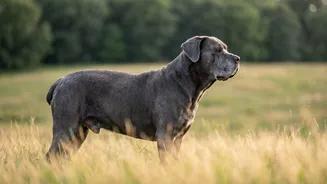
It’s a bittersweet fact of life for dog lovers. A tiny Chihuahua can live well into its late teens, while a majestic Great Dane is considered elderly by age seven or eight. This isn't just a coincidence; it's a well-documented biological pattern. For
a long time, the common assumption was simple: bigger bodies just wear out faster. But this explanation never felt complete. Why does this rule apply within the dog species, when across the animal kingdom, larger mammals like whales and elephants tend to live much longer than smaller ones like mice? Scientists have been digging into this paradox, and recent studies are pointing to a much more complex and fascinating reason that lies deep within our dogs' genetic code.
Introducing the Biological Clock
The key to understanding this mystery lies in a concept called 'biological age'. While your dog's calendar age is simply the number of birthdays they've had, their biological age reflects how old their body is on a cellular level. Recent studies, including major research from the Dog Aging Project, have developed ways to measure this biological age by looking at a dog's epigenome—a layer of chemical tags on their DNA. One of the most important of these tags is DNA methylation. Think of it as a dimmer switch for genes, controlling which ones are active. As dogs (and humans) get older, the patterns of these methylation tags change in predictable ways, creating what scientists call an 'epigenetic clock'. This clock can tell us if a dog's body is aging faster or slower than its calendar age suggests.
The Genetic 'Trade-Off' of Being Big
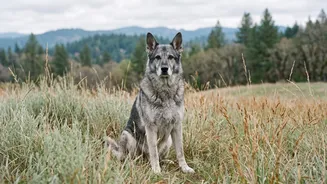
So what did these epigenetic clocks reveal? Studies show that large dogs age at a significantly faster molecular rate. A four-year-old German Shepherd may have the same birthday count as a four-year-old Pomeranian, but its cells are biologically much older. The leading theory points to a fundamental trade-off between growth and longevity. The very biological processes that allow a puppy to grow into a large dog so quickly may come at a cost to its long-term cellular health. Researchers found that this accelerated aging is especially pronounced in parts of the genome known as 'transposable elements' or 'jumping genes'. These are stretches of DNA that can move around and cause instability. Normally, methylation keeps them in check, but in large dogs, the loss of these protective tags happens more quickly. This can lead to increased inflammation and a higher risk for age-related diseases, including cancer, which is more prevalent in larger dogs.
What This Means For Your Dog
While you can't change your dog's genetics, this new understanding has practical implications for responsible pet ownership. Knowing that your large breed dog is biologically aging faster means you can be more proactive about their health. Even if a dog's routine blood work appears normal, an accelerated biological age can be a hidden indicator of declining health. This reinforces the importance of regular veterinary check-ups, especially as your large dog enters what would be considered middle age. It’s also crucial to manage their growth as puppies. Overfeeding large and giant breed puppies can lead to excessively rapid growth, which puts stress on their developing skeletons and can contribute to orthopedic diseases later in life. Controlled, steady growth is healthier. The goal isn't to stop them from getting big, but to ensure they get there at a healthier pace.