





The Reign of Restrained Greige
Remember when every stylish home on Instagram and Pinterest was a study in fifty shades of grey? From pale dove to deep charcoal, grey was the undisputed king of neutrals. It was the colour of minimalism, of Scandinavian chic, and of a certain kind of adult
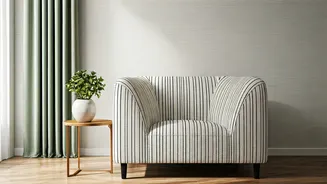
sophistication. It felt clean, modern, and blessedly uncomplicated. Paired with white trim and a fiddle-leaf fig, a grey wall signalled that you had your life together. It was a blank canvas that promised order and calm in a chaotic world. This aesthetic, often dubbed ‘millennial grey,’ dominated the 2010s because it was easy. It matched everything, offended no one, and provided a foolproof formula for a home that looked put-together, even if you weren't an interior designer.
Why We've Fallen Out of Love
So, what changed? In a word: everything. The last few years have fundamentally altered our relationship with our homes. We no longer see them as just a place to sleep and store our things. They have become our offices, our gyms, our cinemas, and our sanctuaries. Spending so much time within the same four walls made many of us realise that ‘safe’ and ‘uncomplicated’ can also feel sterile and impersonal. The sleek, hotel-like vibe that once felt aspirational now feels a bit lonely. There's a growing consensus among designers and psychologists that we're collectively experiencing a sort of 'neutral fatigue.' We're craving spaces that don't just look good but feel good—spaces that envelop us in comfort, tell a story, and reflect who we truly are.
Enter Dopamine Decorating
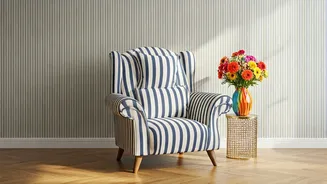
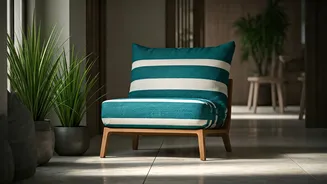
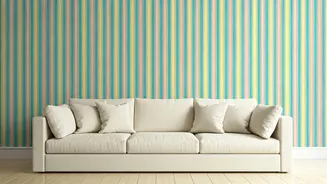
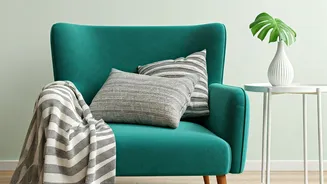
The most vibrant rebellion against the grey-out is ‘dopamine decorating.’ It’s the practice of using colour, pattern, and texture to create a home that actively boosts your mood. Think sunny yellows, energising corals, calming blues, and lush greens. This isn’t about chasing trends; it’s about listening to your own emotional response to your surroundings. It’s about finding joy in a maximalist gallery wall, a boldly patterned wallpaper, or a velvet sofa in a jewel tone. The new 'personality flex' isn't about showing off a perfectly curated, minimalist space. It’s about creating a home that is unapologetically you, filled with things you love. It’s a move from aesthetic perfection to authentic expression.
The Rise of the New Neutrals
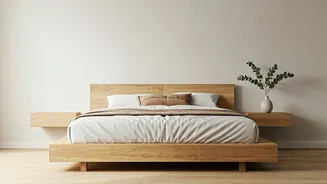
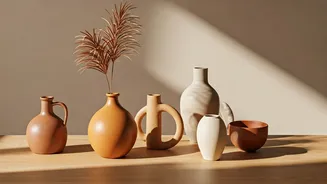
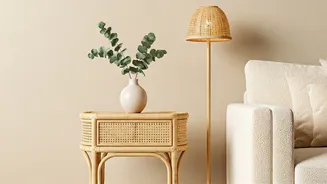
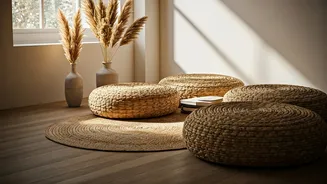
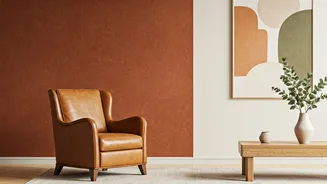
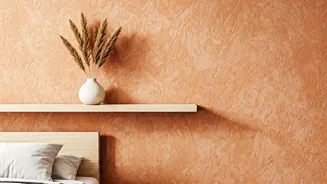
Of course, not everyone is ready to paint their living room bright pink. For those who still crave a serene and neutral palette, the good news is that neutrals are not dead—they’ve just gotten warmer. Instead of cool-toned greys, the design world is embracing a spectrum of earthy, comforting hues. Think of warm beiges, creamy whites, soft terracotta, mushroom, and muted, mossy greens. These colours provide the same versatile backdrop as grey but with an added layer of cosiness and warmth. They connect our interiors to the natural world, creating a grounding and soothing atmosphere that feels both timeless and incredibly current. They pair beautifully with natural materials like wood, rattan, and linen, furthering that sense of organic comfort.
How to Evolve Beyond Grey
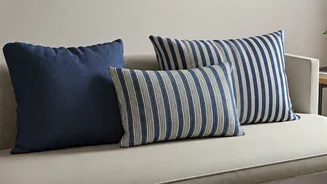
If you're looking around your grey-walled home and feeling a sudden urge to change, don't panic. You don't need a complete overhaul. The transition can be gradual and joyful. Start small. Introduce warmth through textiles—think rust-coloured cushions, a warm beige throw, or a rug with earthy tones. Swap out cool-toned silver and chrome accents for warmer metals like brass or bronze. Art is another powerful tool; a single large piece with vibrant colours can completely transform the feel of a room. If you are ready to paint, consider an accent wall in a warm neutral or a gentle, earthy colour. The goal isn't to erase the past decade but to evolve your space so it serves you better now.