






From Commodity to Craft
Not long ago, coffee for many urban Indians was either a frothy, sugary café latte or a spoonful of instant powder stirred into hot milk. But a significant cultural shift is percolating. The “third wave” of coffee has arrived, transforming the beverage
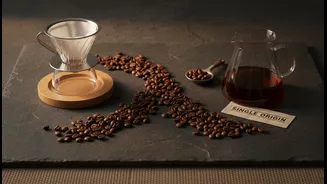
from a mere commodity into a craft to be savoured, much like wine or chocolate. Central to this movement is the concept of 'single-origin' coffee, which refers to beans sourced from a specific geographical location, often a single farm. For a growing number of millennials, knowing whether their beans come from the misty hills of Chikmagalur or the valleys of Araku is as important as the brew itself. This desire for transparency, quality, and a story behind the cup represents a quiet rebellion against mass-produced goods.
The Monsoon Sanctuary
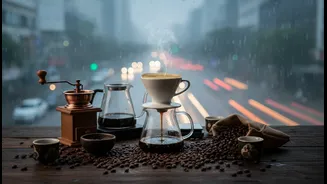
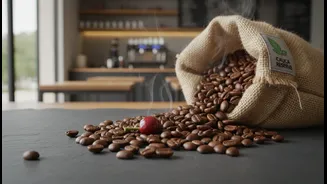
There's an undeniable romance between the monsoon and a warm beverage. As rains lash against windowpanes, specialty cafés and roasteries become cosy sanctuaries. The aroma of freshly ground coffee mingling with the petrichor—the scent of wet earth—creates an atmosphere that is both comforting and indulgent. These spaces are becoming the modern Indian's 'third place'—a welcoming spot between home and work to connect, collaborate, or simply unwind. The monsoon amplifies this appeal, making the act of sipping a carefully prepared pour-over feel like a slow, meditative ritual perfectly in tune with the season's rhythm.
The Joy of Hands-On Brewing
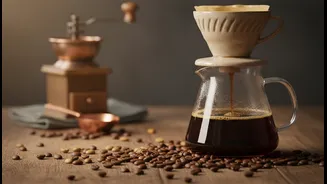
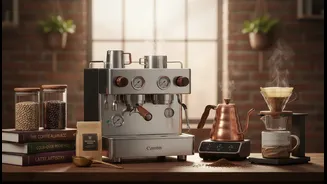
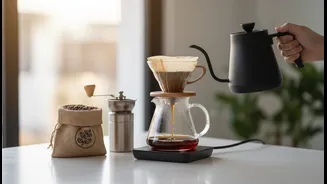
This newfound passion extends beyond just drinking coffee; it's about making it. Coffee brewing workshops are sprouting up across cities like Mumbai, Delhi, and Bangalore, drawing in curious millennials eager to master the art of the AeroPress or perfect their V60 pour-over technique. These sessions are more than just classes; they are hands-on, analogue experiences in a digitally saturated world. Learning the nuances of grind size, water temperature, and extraction times offers a sense of mastery and a mindful escape. The pandemic accelerated this trend, sparking a home-brewing boom as people sought to replicate their favourite café experiences in their own kitchens. For many, it has evolved into a full-fledged hobby, an expression of personal taste and skill.
An Affordable Taste of Luxury
In a world of rising aspirations, specialty coffee offers a taste of affordable luxury. With increasing disposable incomes, urban millennials are willing to spend more on premium experiences. While a designer handbag or a foreign holiday might be out of reach for many, a meticulously brewed cup of single-origin coffee for a few hundred rupees provides an accessible indulgence. These small-batch roasts and curated café experiences have become a status symbol, reflecting a palate that values quality, ethics, and craftsmanship over mere consumption. It's a way of participating in a global cultural trend while celebrating local Indian produce, with many roasters now highlighting beans from estates that were previously only for export.
Brewing a Community
Ultimately, the specialty coffee movement is about connection. Cafés and roasteries are evolving into community hubs where like-minded individuals can gather to share their passion. Workshops and cupping sessions bring people together, fostering conversation and shared discovery. This social aspect is crucial for a generation that seeks authenticity and belonging. Brands like Blue Tokai, Third Wave Coffee, and Subko have cultivated strong communities not just by selling beans, but by educating consumers and creating spaces for interaction. They have successfully positioned coffee as more than just a drink—it’s a shared language and a collective experience.