






The City That Never Cools
A comprehensive analysis by the Centre for Science and Environment (CSE) has uncovered a worrying trend across six of India's megacities: Delhi, Mumbai, Kolkata, Hyderabad, Chennai, and Bengaluru. The study reveals that these urban centres are no longer
cooling down effectively at night. This phenomenon, known as the Urban Heat Island (UHI) effect, is where metropolitan areas are significantly warmer than their surrounding rural landscapes. While the heat of the day is a familiar challenge, the study highlights that the real danger often emerges after dark, as the trapped heat creates punishing conditions that prevent our bodies and our cities from getting the overnight relief they desperately need.
How Concrete Becomes a Furnace
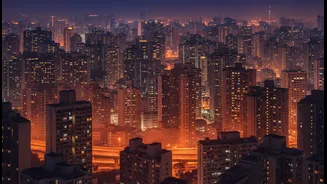
The primary culprits behind these midnight heat traps are the very materials that build our cities. Concrete, asphalt, and other dense building materials are excellent at absorbing and storing solar radiation throughout the day. Unlike natural landscapes with soil and vegetation that cool down through evapotranspiration, these artificial surfaces slowly release the stored heat all through the night. This process is intensified by the dense geometry of cities, where closely packed tall buildings block wind flow that would otherwise help dissipate the heat. The result is that city cores can be several degrees warmer than their greener, less developed outskirts, with one study noting that Delhi's urban core cools down 3.8°C less than its surrounding areas.
More Than Just an Uncomfortable Night
The consequences of this sustained, round-the-clock heat exposure are severe. The inability to cool down at night prevents the human body from recovering from daytime heat stress, leading to a host of health problems. These include cardiovascular strain, respiratory issues, dehydration, and heatstroke, with vulnerable populations like the elderly, children, and outdoor workers being disproportionately affected. The constant heat also has significant economic costs. It drives up energy consumption as more households and businesses rely on air conditioning, placing immense strain on power grids and often creating a vicious cycle where AC units pump more hot air back into the urban environment.
The Disappearance of Natural Air Conditioners
Historically, Indian urban design incorporated natural cooling systems. Water bodies, green spaces, and shaded public areas acted as thermal buffers that helped regulate temperatures. However, rapid and often unplanned urbanisation has led to the widespread loss of these critical assets. The CSE study directly correlates the increase in built-up area and concretisation with rising urban heat stress. As cities expand, they replace permeable, moist surfaces with impermeable ones, fundamentally altering the local microclimate and removing the natural mechanisms that once helped keep cities liveable during the hot summer months.
Can We Redesign Our Way Out of the Trap?
While the findings are alarming, they also point towards potential solutions. Experts and urban planners are calling for an urgent shift in how we design and manage our cities. Key strategies include re-introducing nature into the urban fabric by expanding green cover and preserving water bodies. Another promising approach involves the use of 'cool surfaces,' such as reflective materials for roofs and pavements that absorb less solar radiation. Better building insulation and designs that promote natural ventilation can also reduce the reliance on artificial cooling. Implementing robust Heat Action Plans that specifically address night-time heat and protect vulnerable communities is becoming increasingly critical for building climate resilience.