
An Ancient Answer to a Modern Problem
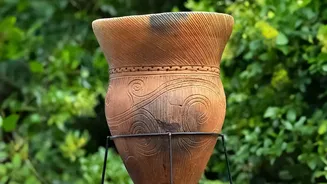
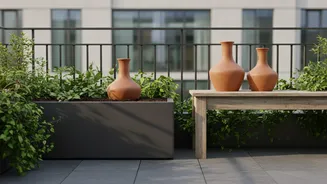
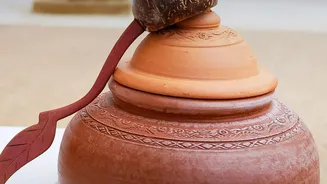
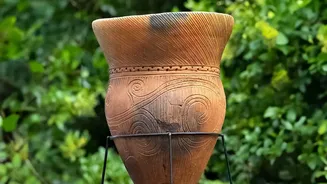
The concept of olla (pronounced 'oh-ya') irrigation is brilliantly simple and has been used for thousands of years across arid regions in China, India, and the Americas. An olla is an unglazed, porous terracotta pot that is buried in the soil with only
its narrow neck exposed. You fill it with water, and through a natural process, the water slowly seeps through the clay walls to hydrate the surrounding soil. It’s a self-regulating system that provides a consistent source of moisture directly to where plants need it most: their roots.
The Science of Smart Hydration
Ollas work through a principle called soil moisture tension. The porous nature of unglazed clay allows water to move through it, but it doesn't just leak out uncontrollably. Instead, the water is 'pulled' out by the surrounding dry soil and the plant's roots. When the soil is moist, such as after a rain, the water stays inside the olla. As the soil dries, it wicks moisture from the pot, delivering a steady, slow-release supply of water. This prevents the stressful cycles of soaking and drying that often happen with manual watering, leading to healthier plants that are less prone to issues like cracking in tomatoes or bitterness in leafy greens.
Why Ollas Excel in Humid Heat
It might seem counterintuitive to worry about dry soil during humid spells, but for balcony gardeners, it's a real issue. The intense sun and heat radiating from masonry and railings can bake the soil in a container, even when the air is thick with moisture. Furthermore, high winds on exposed balconies can strip moisture from leaves, causing plants to dry out faster. Surface watering is inefficient in these conditions, as much of the water evaporates before it can be absorbed. Ollas bypass this problem entirely. By delivering water below the surface, they ensure almost no moisture is lost to evaporation, cutting water use by up to 70% compared to surface methods. This underground system keeps the root zone consistently moist and cool, even when the surface is hot and dry.
Big Benefits for Small Spaces
Balcony containers dry out much more quickly than in-ground garden beds, making them particularly vulnerable. Ollas are a perfect fit for this environment. They provide a reliable water source that reduces the daily chore of watering and saves your plants if you’re away for a weekend. This deep watering method encourages stronger, denser root growth, creating more resilient plants. Another significant benefit is the reduction of pests and fungal diseases. Because the top layer of soil remains relatively dry, it creates a less hospitable environment for weeds and common pests that thrive in damp surface conditions. Your plant's leaves also stay dry, minimizing the risk of powdery mildew and other fungal issues.
Getting Started with Ollas on Your Balcony
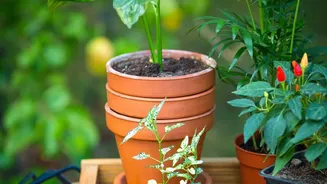
Using an olla in a container is straightforward. For most balcony pots (around 12 to 24 inches), a single small or medium-sized olla is sufficient. It’s best to place the olla before adding your plants. Bury the pot in the centre, leaving just the neck sticking out of the soil. Pack the soil gently around it to ensure good contact, which is necessary for the water to seep out effectively. Plant your chosen herbs, vegetables, or flowers around the olla. Fill the olla with water and place a cap or a stone over the opening to prevent evaporation and keep mosquitoes out. You’ll likely need to refill it every three to seven days, depending on the weather and your plants' needs. Almost any plant will benefit, but water-loving crops like tomatoes, peppers, and squash are especially good candidates.