




A Breakthrough for Rocky Worlds
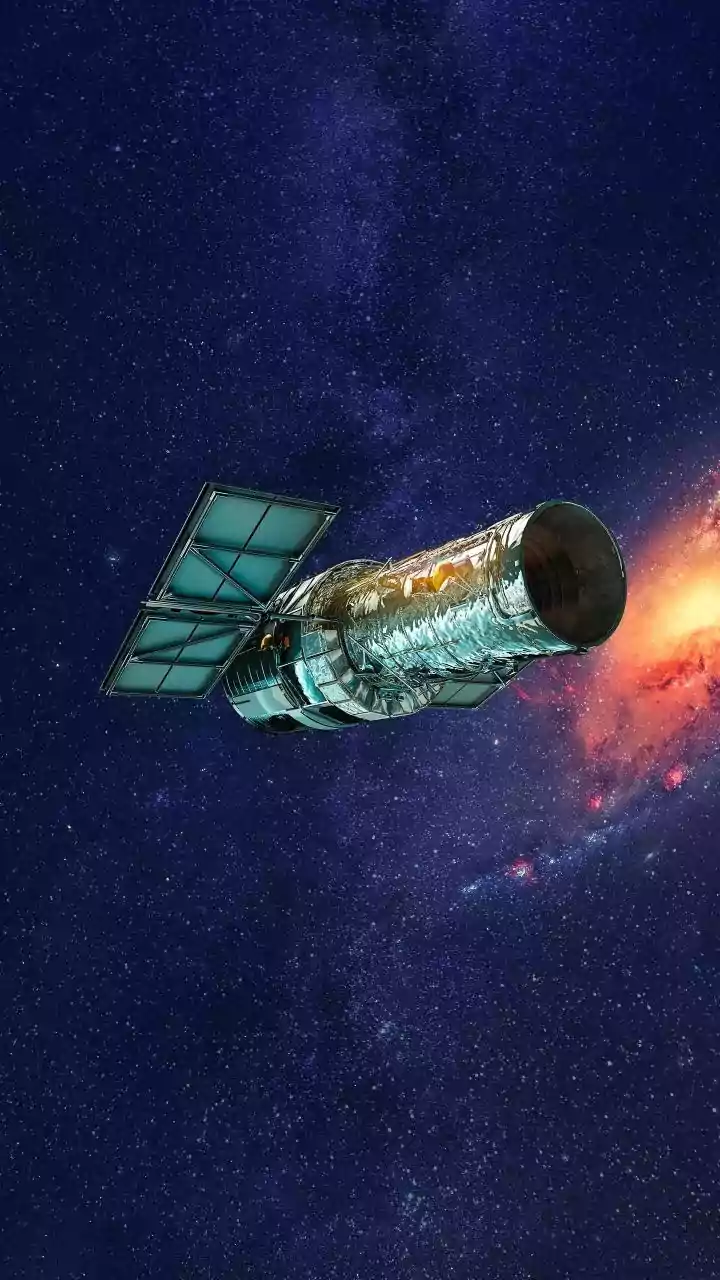
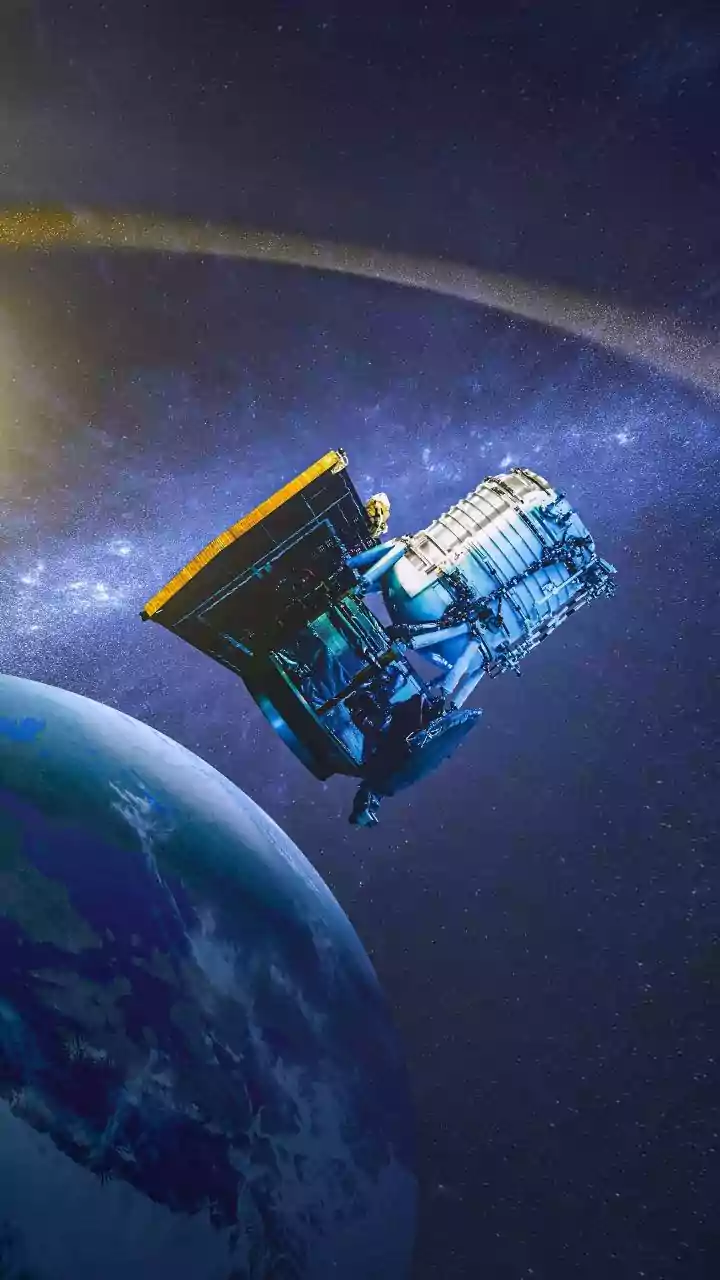
For astronomers, the holy grail has long been to study the atmospheres of rocky exoplanets similar to our own. While we have successfully studied gas giants, smaller, rocky worlds have been elusive. Now, the James Webb Space Telescope (JWST) has delivered
the strongest evidence to date of a substantial atmosphere around a “super-Earth” named 55 Cancri e. Located 41 light-years away, this planet is nearly twice the diameter of Earth and eight times its mass. This discovery isn't just a technical achievement; it opens a new chapter in our ability to characterize planets outside our solar system and understand how they form and evolve. It’s a crucial step toward identifying worlds that could, one day, be deemed potentially habitable.
Meet 55 Cancri e: A World of Fire
To be clear, 55 Cancri e is no paradise. It orbits its sun-like star at a blistering proximity—one twenty-fifth of the distance between Mercury and our Sun—completing a full year in less than 18 hours. This extreme closeness means its surface is likely a bubbling ocean of molten rock, with dayside temperatures reaching around 2,300 degrees Celsius. The planet is probably tidally locked, meaning one side perpetually faces its star in eternal daylight, while the other is cloaked in endless night. For years, scientists debated whether a planet so hot and bombarded by stellar radiation could even hold onto an atmosphere. Many believed it would be a bare rock, stripped of any gas. JWST’s findings have thrillingly proven that assumption wrong.
How Webb Reads an Alien Sky
The JWST can't take a direct picture of the atmosphere. Instead, it uses a technique called secondary eclipse spectroscopy. As 55 Cancri e moves behind its star, the telescope measures the total light from the system. When the planet is hidden, it measures the light from the star alone. By subtracting one from the other, scientists can isolate the infrared light, or heat, coming from the planet's dayside. This data revealed that the planet was cooler than expected if it were just bare, molten rock. The presence of a substantial atmosphere, which circulates heat, is the best explanation for this lower temperature. This atmospheric blanket is what makes the planet observable in this way, a finding that has eluded astronomers for over a decade.
An Atmosphere of Carbon, Not Water
While the headline hints at water vapour, the atmosphere detected on 55 Cancri e is likely made of something else. The data suggests it is a thick, volatile atmosphere rich in carbon dioxide or carbon monoxide. Scientists believe this isn't a primordial atmosphere left over from the planet's formation. Instead, it's a secondary atmosphere, constantly being replenished by gases bubbling out from the global magma ocean. This process, known as outgassing, may be similar to what occurred on a young, molten Earth and Venus. While JWST has seen hints of water vapour around other rocky planets like GJ 486 b, the signal could be from the star itself. The definitive detection of any atmosphere on a rocky world like 55 Cancri e is the true breakthrough here.
A Window into Our Own Past
Studying this fiery super-Earth offers more than just a glimpse into a strange alien world; it provides a unique laboratory for understanding our own planet's history. Earth, Venus, and Mars are all thought to have passed through magma ocean stages early in their lives. By observing an active magma ocean planet today, scientists can test theories about how rocky planets form their initial atmospheres and evolve over billions of years. The discovery on 55 Cancri e helps us understand the conditions that might have led to Earth becoming a habitable world while Venus became a toxic hothouse. Each piece of data from JWST refines our understanding of planetary development across the galaxy.