







The Business of the Bare Fare
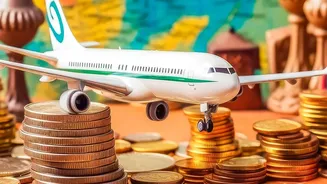
That rock-bottom ticket price you found is what the airline industry calls an 'unbundled' fare. It's a marketing tool designed to get the lowest possible price to show up in flight search engines. The fare literally just buys you a seat on the plane—and
often, not even a specific one. Everything else, from a carry-on bag that goes in the overhead bin to a bottle of water, is considered an ancillary product for which the airline can charge a separate fee. This business model allows airlines to keep their entry price low, attracting price-sensitive travelers. But it relies on a significant percentage of those travelers then purchasing these add-ons, which is where the airlines make a substantial portion of their revenue. For some budget carriers, these fees now account for more revenue than the tickets themselves.
Decoding the Most Common Fee Traps
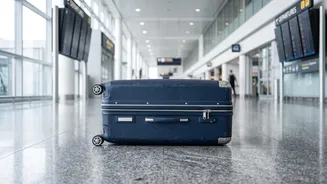
The most common surprise for unwary travelers is the strict definition of a 'personal item'. On most budget airlines like Ryanair or the former Spirit Airlines, the free bag included with a basic fare is only a small backpack or purse that must fit under the seat in front of you. A standard roll-aboard carry-on, which is free on most legacy carriers, requires paying an extra fee. These fees can range from $40 to over $100 if paid at the airport. Another trap is weight limits. Many international budget carriers have a lower checked bag weight allowance, sometimes 40-44 pounds (around 20 kg) instead of the more common 50 pounds. Exceeding that, even by a little, can trigger steep overweight fees charged per pound or kilogram, sometimes adding up to over $100.
Why Waiting Always Costs You More
Procrastination is the budget airline's best friend. The price for any given add-on, especially baggage, is dynamic and increases dramatically the closer you get to your flight. Paying for a carry-on or checked bag when you initially book your flight online is always the cheapest option. If you wait and add a bag later through the airline's website or app, the price will be higher. If you wait until you get to the airport check_in counter, it will be significantly more expensive. The most costly mistake is arriving at the boarding gate with a non_compliant bag. Airlines know they have you cornered, and the 'gate check' fee is a penalty rate that can be as high as $99 or more per bag.
How to Beat the Baggage Fee Game
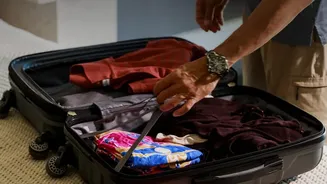
Avoiding these fees requires a pre_flight strategy. First, always read the baggage rules for your specific fare on the airline's official website before you book. Do not assume the rules are the same as another airline. Second, buy a small luggage scale and measure and weigh your bags at home before you leave. This eliminates guesswork. If your bags are over, you can repack or decide to purchase the extra allowance online. Third, always purchase the baggage you need in advance, during the initial booking if possible. Compare the 'all_in' cost; sometimes a legacy carrier's fare that includes a bag is cheaper than a budget fare plus fees. Finally, download the airline's app and check in online to avoid potential airport check_in or boarding pass printing fees.