






Understanding the Hakini Mudra
The Hakini Mudra is a sacred hand gesture used in yogic traditions to direct the flow of energy and awareness. Its name is derived from the Hindu deity Hakini, who is associated with the Ajna chakra, or the third eye. This energy centre, located between
the eyebrows, is considered the seat of intuition, concentration, and higher cognition. The mudra itself is believed to help harness this energy, which is why it's often referred to as the 'Mudra for the Mind'. By bringing all five fingertips of each hand together, practitioners aim to create a symbolic and energetic link that supports mental function.
The Connection to Mind and Body
The core belief behind the Hakini Mudra is its ability to harmonise the left and right hemispheres of the brain. In yogic philosophy, the right side of the brain is linked to creativity and intuition, while the left is associated with logic and analytical thinking. By touching the corresponding fingertips, you are thought to create a complete circuit of energy, promoting better communication between these two halves. This synchronisation is said to be the key to many of its benefits, fostering a state of balance that allows for clearer thinking, improved problem-solving skills, and a calmer nervous system.
Potential Benefits of the Practice
While practice is a personal journey, proponents of the Hakini Mudra cite several potential benefits. The most common claims centre on cognitive enhancement, such as improved memory, focus, and concentration, making it a popular tool for students and professionals. Regular practice is also said to reduce stress and anxiety by calming the mind and encouraging deeper, more deliberate breathing. This increase in oxygen flow to the brain can help alleviate mental fatigue. Furthermore, by stimulating the third eye chakra, the mudra may enhance intuition and foster a greater sense of inner wisdom and emotional balance.
A Step-by-Step Guide
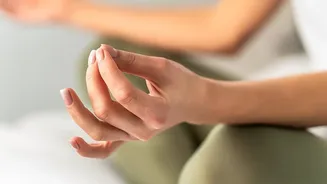
Practising Hakini Mudra is simple and accessible, requiring no special equipment.1. Find a comfortable position: Sit with a straight spine, either cross-legged on the floor (like in Sukhasana or Padmasana) or in a chair with your feet flat on the ground. Your shoulders and jaw should be relaxed.2. Position your hands: Raise your hands in front of your chest or solar plexus. Your palms should face each other but not touch.3. Connect the fingertips: Gently bring the tips of all five fingers on your right hand to touch the corresponding fingertips on your left hand. The contact should be light, without any tension or firm pressing.4. Hold the gesture: Let your hands rest in this position. For a deeper practice, you can gently raise your gaze towards the space between your eyebrows (the third eye). Some variations also suggest pressing your tongue to the roof of your mouth on an inhale and relaxing it on an exhale.5. Breathe and focus: Maintain slow, deep breathing throughout the practice. Hold the mudra for several minutes, focusing on the sensation of your fingertips touching and the flow of your breath.
Tips for Effective Practice
To get the most out of your practice, consistency is key. Aim to practice daily, even if it's just for 5-10 minutes. Many suggest that practising upon sunrise holds the most power, but it can be done anytime you need a mental boost, such as before a meeting, during a study break, or as part of your morning meditation. You can practice seated, standing, or even during a slow, mindful walk. The key is to find a quiet space where you can focus without distraction. Remember that the goal is not to achieve immediate results but to cultivate a consistent practice that gently supports your mental well-being over time.
Safety and Considerations
Hakini Mudra is considered very safe for almost everyone. The primary instruction is to ensure the gesture remains gentle and free of tension. Avoid pressing your fingertips together forcefully, as this can create strain. If you have any pain, inflammation, or injury in your fingers, hands, or wrists, it's best to avoid this practice until you have healed. Like any wellness practice, it's about listening to your body. The experience should be calming and restorative. If you feel any discomfort, gently release the mudra and rest your hands on your lap.