





The Science Behind the Soak
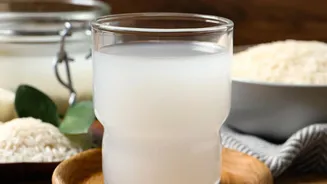
The milky liquid left over from washing rice is packed with beneficial compounds that would otherwise be wasted. It contains starches, which are carbohydrates that feed beneficial soil microbes like lactobacilli and mycorrhizae. These microbes help improve
the soil structure and make nutrients more available to plant roots. The water also carries small but significant amounts of essential plant nutrients, including nitrogen (N), phosphorus (P), and potassium (K), which are the building blocks of most commercial fertilisers. Additionally, it contains trace minerals and B vitamins that can promote stronger roots and healthier foliage. While it's not potent enough to replace a balanced fertiliser, think of it as a mild, natural supplement that supports overall plant vitality.
How to Collect and Prepare Rice Water
There are a few ways to prepare rice water, each with a slightly different profile. The simplest method is using the water from rinsing uncooked rice. Before cooking, wash your rice in a bowl, swirl the grains until the water turns cloudy, and then pour this liquid into a separate container. This fresh rinse water is the mildest form and can be used directly on your plants without dilution. Another option is using the water left after boiling rice. This version is more concentrated in starch but must be cooled completely and should be diluted with an equal part of plain water before use. Crucially, never use water that has been salted, as salt can damage and even kill your plants.
Fresh vs. Fermented: Which Is Better?
For those looking to maximise the benefits, fermenting rice water is the way to go. Fermentation unlocks more nutrients and increases the population of beneficial bacteria. To ferment it, simply leave the fresh rinse water in a loosely covered jar at room temperature for two to three days. You'll know it's ready when it develops a slightly sour smell. Studies have shown that this process can significantly increase the levels of nitrogen, phosphorus, and other nutrients available to plants. However, fermented rice water is more potent and becomes slightly acidic, so it's essential to dilute it—a 1:1 ratio with plain water is a good starting point—before applying it to your soil.
Best Practices for Watering Your Plants
Moderation is key when using rice water. As a general rule, watering your plants with it once every one to two weeks is a safe frequency. Overuse can lead to a buildup of starch on the soil surface, which may harden and prevent oxygen from reaching the roots, or even attract pests like fungus gnats. Always pour the rice water directly onto the soil at the base of the plant, rather than on the leaves, to reduce the risk of fungal growth. This method works well for a wide variety of houseplants, especially heavy feeders like pothos, monsteras, and ferns, as well as vegetable plants like tomatoes and peppers which benefit from the extra phosphorus for flowering.
Potential Risks and What to Avoid
While generally safe, there are a few potential downsides to be aware of. Using rice water too frequently can lead to soggy soil, which encourages root rot and harmful bacterial or fungal growth. If you notice any mould on the soil surface or a persistent unpleasant odour, it's a sign to cut back. The starchy liquid can also attract pests, so it's best used on healthy plants with well-draining soil. Avoid using it on succulents or cacti, which prefer drier conditions and are more susceptible to rot. Furthermore, some research notes that rice can absorb arsenic from the soil, and while occasional use is not a concern, frequent application on edible plants could lead to a minor accumulation over time.