





Artificial intelligence is weaving itself into the fabric of our lives, from how we work to how we shop. Now, it's making a major push into one of our most personal domains: wellness. But a new 2026 report from McKinsey reveals a critical paradox.
The AI Wellness Boom
The
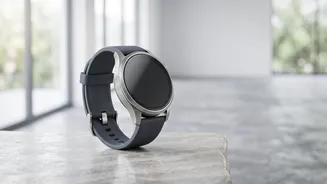
global wellness market is a behemoth, valued at an estimated $2.7 trillion, with the US market alone accounting for $700 billion. It's a sector increasingly driven by technology. According to McKinsey's 'Future of Wellness' report, more than half of consumers are now using AI for wellness-related tasks. This includes everything from getting recipe suggestions and personalised workout plans to using symptom checkers and mental health support chatbots. For instance, AI can analyze data from a wearable device to offer tailored exercise recovery tips or use a dietary log to generate a specific meal plan. This boom is fuelled by consumer demand for more control over their health, with AI offering a way to distill vast amounts of information into actionable advice.
A Deep-Seated Trust Deficit
Despite this widespread adoption, trust remains a significant hurdle. The research highlights that 40% of US consumers worry that the advice from AI may be inaccurate. A quarter of all consumers surveyed said they would not use AI for health and wellness at all in the coming year, with nearly half of that group citing a preference for human expertise. This skepticism is rooted in concerns about data privacy, the impersonal nature of algorithms, and the potential for incorrect or generic advice. One poll found that a vast majority of patients have already seen AI make a mistake in a healthcare context, which erodes confidence. The stakes are simply higher when it comes to health, and a bad recommendation can do more damage than a flawed movie suggestion.
The Paradox of Convenience
So, why are people using tools they don't fully trust? The answer appears to be a mix of convenience, cost, and curiosity. AI tools offer immediate answers and can help users make sense of a diagnosis or treatment plan they have already received from a doctor. However, they are not replacing traditional sources of trust. When it comes to making actual purchasing decisions, consumers still rely heavily on recommendations from friends and family (cited by 35% of US consumers) and healthcare practitioners (30%). In stark contrast, AI chatbots influenced the purchasing decisions of only 8% of consumers. This shows that while users are willing to leverage AI as a research assistant or a data organizer, they draw the line at giving it final authority over their health and spending.
Bridging the Trust Gap
For the wellness industry, this presents a clear challenge. The long term success of AI in this space will depend on building genuine trust, not just on rolling out more features. Experts suggest that the path forward involves transparency, personalization, and keeping a human in the loop. Companies need to be clear about how their AI works and what its limitations are. Generic advice that ignores a user's history can damage trust instantly. Instead of replacing professionals, the most successful AI applications will likely be those that augment human expertise, such as by helping clinicians reduce administrative workloads or by providing patients with better data to discuss during their appointments. Ultimately, the goal is to create AI tools that feel like reliable partners, not opaque black boxes, giving users a sense of control over their data and their health journey.