




An End of an Era, A New Commercial Dawn
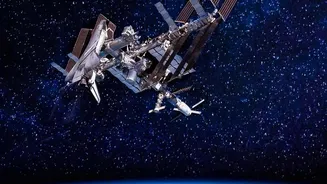
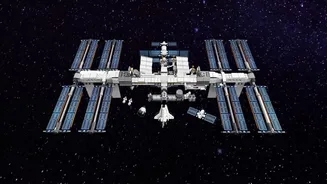
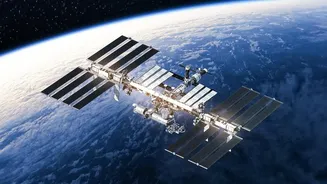
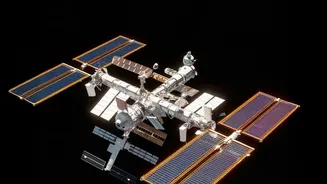
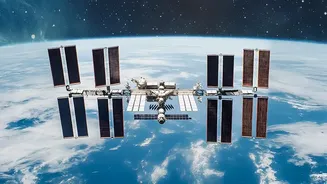
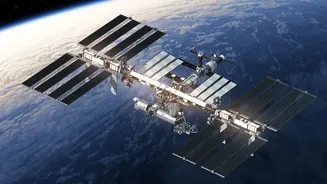
For more than 25 years, the International Space Station (ISS) has been humanity's continuous home in space, a sprawling laboratory that has hosted astronauts from across the globe and produced countless scientific breakthroughs. But the aging marvel of
engineering is expensive to maintain and is scheduled to be deorbited by the end of the decade, plunging into a remote stretch of the Pacific Ocean. This impending retirement created a critical question for NASA and the global space community: what comes next? Instead of building another government-funded station, NASA is turning to the private sector, fostering a new industry of commercial space destinations. The strategy is simple: NASA will become just one of many customers, buying research time and services from private operators. This move, part of the Commercial Low-Earth Orbit Destinations (CLD) program, is designed to ensure there is no gap in America's ability to conduct research in microgravity.
The Race to Build Orbiting Real Estate
Several ambitious companies are now in a heated race to launch the first fully private space stations. Axiom Space is a frontrunner, already constructing the first modules of its Axiom Station. The company’s innovative plan involves first attaching its modules to the ISS for testing starting as early as 2027, before detaching to become a free-flying, independent station later. Another major contender is Vast, which aims to launch its single-module Haven-1 station in 2027. They are focused on being the first standalone commercial station in orbit. Not to be outdone, a powerhouse partnership between Jeff Bezos's Blue Origin and Sierra Space is developing Orbital Reef, which they describe as a "mixed-use business park" in space designed to host research, manufacturing, and even tourism. Rounding out the main players is Starlab, a joint venture between Voyager Space and aerospace giant Airbus, which plans to launch its station in a single flight.
More Than Just a Laboratory
These next-generation stations promise to be more than just government research outposts. They are being designed as versatile platforms for a burgeoning orbital economy. The potential applications are vast, ranging from advanced materials science to biotechnology. In the unique microgravity environment, it's possible to manufacture things that are difficult or impossible to make on Earth. This includes creating flawless fiber-optic cables, growing perfect protein crystals for drug development, and even pioneering the 3D printing of human organs. Beyond science, these stations are being built with commercial clients in mind. They will offer services for sovereign astronaut missions from countries without their own space programs, in-space manufacturing, and potentially, high-end space tourism. Companies like Axiom are already flying private astronauts to the ISS, proving the business model for commercial human spaceflight.
A New Orbital Ecosystem
The transition from a single, government-run station to a diverse ecosystem of commercial platforms represents a fundamental shift in how humanity operates in space. This new model is expected to drive down costs, increase access, and accelerate innovation. It mirrors the way the commercialisation of rocket launches, led by companies like SpaceX, dramatically changed the space industry over the last decade. For nations with growing space ambitions like India, which is developing its own crewed missions and has plans for a future space station, this global commercial shift presents new opportunities for partnership and research. The competition among these private firms is not just about building hardware; it's about creating a reliable, cost-effective, and sustainable human presence in low-Earth orbit. While challenges remain, particularly in closing the business case without NASA as an anchor tenant, the vision is clear: a future where multiple stations orbit the Earth, serving a wide array of government and commercial customers.