







Beyond the Cloud Kitchen
You are likely familiar with cloud kitchens, also known as ghost kitchens. These delivery-only establishments, which have mushroomed across Indian cities on platforms like Zomato and Swiggy, have no storefront or seating. They focus entirely on efficiency.
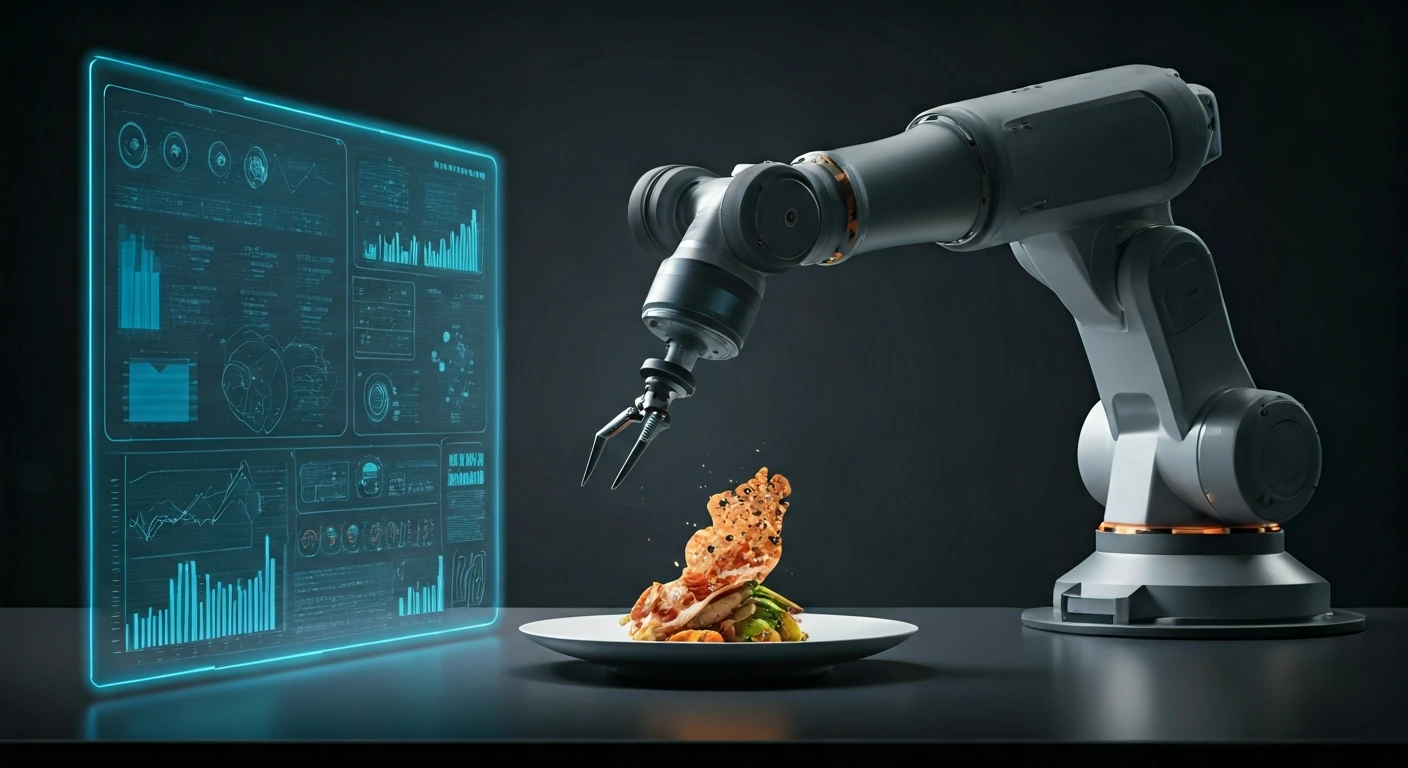
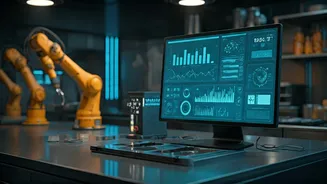
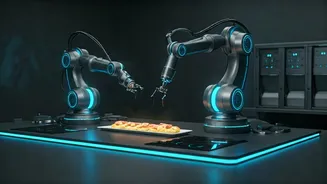
Now, take that model and inject it with a powerful dose of artificial intelligence and robotics. The result is an 'AI kitchen'—a highly automated environment where technology plays a central role in preparing your meal. These aren't just kitchens with a few fancy gadgets; they are integrated systems where AI manages everything from predicting order volumes to controlling robotic arms that cook the food. The goal is to make the entire process, from the moment you tap 'place order' to the delivery arriving at your door, faster, more consistent, and more efficient.
How Robots and AI Are Frying Your Pakoras
So, how does it actually work? It’s a combination of several smart technologies. First, predictive AI analyses data like weather, past order trends, and even local events to forecast demand. For example, it might predict a surge in chai and pakora orders on a rainy evening in Mumbai and prompt the kitchen to start prepping ingredients in advance. Some international chains have cut wait times in half using this method. Inside the kitchen, automation takes over repetitive tasks. Robotic arms can chop vegetables, flip burgers, or fry items with perfect consistency every time, reducing human error. Meanwhile, computer vision systems act as a quality check, ensuring every portion is the correct size and the plating is just right. IoT sensors in smart ovens and fryers monitor temperature and humidity, adjusting in real-time to cook food perfectly without any guesswork.
The Promise: Faster, Cheaper, and Consistent
The most significant benefit for you, the customer, is a dramatic reduction in wait times. By optimising every step in the kitchen and using AI to plan the most efficient delivery routes considering real-time traffic, these systems can slash delivery times by 20-30%. Your food arrives hotter and fresher. For restaurants, the advantages are immense. Automation leads to greater consistency; that biryani you love will taste exactly the same every time you order it. Predictive ordering helps manage inventory precisely, which can reduce food waste by up to 30%. This efficiency also helps control costs, which could potentially translate to more competitive pricing for consumers. It allows kitchens to handle a much higher volume of orders, especially during peak hours, without getting overwhelmed.
Is India Ready for Robo-Chefs?
The trend is already taking root in India. With thousands of cloud kitchens operating across the country, the push for automation to gain a competitive edge is strong. Several Indian startups are innovating in this space. Bengaluru-based companies like NOSH and the earlier Mechanical Chef have developed cooking robots specifically designed for complex Indian cuisines, capable of making everything from paneer butter masala to biryani. However, the transition isn't without its challenges. Many Indian restaurateurs and chefs are hesitant, believing that AI cannot replicate the creativity and 'human touch' essential for great food. There are also practical hurdles. Most automated systems struggle with nuanced Indian cooking techniques like tempering spices (the 'tadka'), and the compact size of many urban kitchens makes installing bulky robotic systems difficult.
The Human Element in an Automated Future
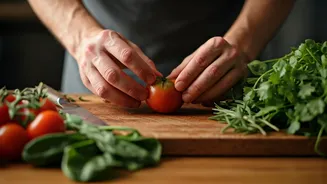
A common concern with any form of automation is job displacement. Will robots replace kitchen staff? While AI will certainly automate many repetitive tasks, many experts believe it will augment human roles rather than eliminate them. The idea is to free up human chefs from mundane work like chopping and frying, allowing them to focus on more creative tasks like recipe development, quality control, and culinary innovation. The kitchen of the future might be a collaborative space where humans provide the creative vision and strategy, while AI and robots handle the precise, high-volume execution. The focus of jobs may shift from manual labour to roles requiring skills in system oversight and management.