



Understanding the Enemy: Humidity
The primary reason food spoils faster during the rainy season is the dramatic increase in moisture in the air. High humidity, often combined with warm temperatures, creates an ideal breeding ground for microscopic organisms like mould, fungi, and bacteria.
These microbes thrive in damp conditions, accelerating the decay of everything from fresh produce to cooked leftovers and even dry goods. Food items absorb this excess moisture from the air, which can lead to changes in texture, taste, and ultimately, spoilage. Understanding that moisture is the main culprit is the first step in protecting your food.
Master Your Dry Storage
Your pantry requires special attention during the monsoon. Dry goods like rice, lentils (dal), flour (atta), and spices are highly susceptible to absorbing moisture, which can cause clumping, musty odours, and insect infestations. The single most effective strategy is to transfer these items from their original paper or plastic bags into completely dry, airtight containers immediately after purchase. Glass or high-quality plastic jars with secure lids are excellent choices. For an extra layer of protection, consider adding a few bay leaves or dried neem leaves to your grain containers, as they act as natural insect repellents. Storing these containers on shelves instead of directly on the floor also helps prevent moisture from seeping in, especially in ground-floor homes.
Strategic Refrigerator Use
While it may seem obvious, using your refrigerator correctly is crucial. It's not just a cold box; it’s a tool for humidity control. Perishable items like dairy, meat, and leftovers should be refrigerated promptly to slow down microbial growth. However, avoid overloading your fridge, as this restricts air circulation and can lead to uneven cooling. When storing leftovers, allow them to cool down before placing them in the fridge to prevent condensation inside the container, which adds unwanted moisture. It’s also wise to clean your refrigerator regularly, as spills and stray food particles can harbor mould spores that can contaminate other foods.
Handle Fresh Produce with Care
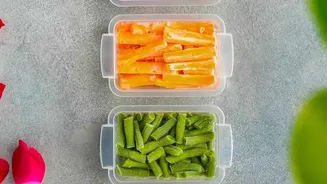
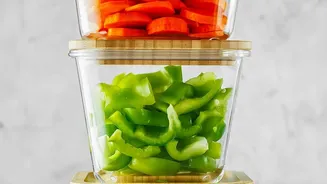
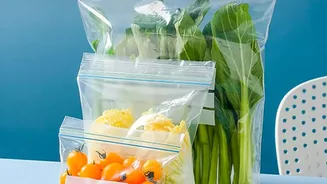
Vegetables and fruits present a unique challenge. Leafy greens, for instance, are prone to rotting quickly. It is best to wash them thoroughly, but ensure they are completely dry before storage. A salad spinner is excellent for this. You can then wrap them in paper towels and store them in a loosely tied bag in the fridge. For most other vegetables and fruits, it's better to wash them just before use rather than before storing, as the residual moisture can accelerate decay. Root vegetables like onions and potatoes should be stored in a cool, dark, and well-ventilated place, away from each other, as they can cause one another to spoil faster.
Smart Shopping and Cooking Habits
Adjusting your habits during the monsoon can make a significant difference. Instead of bulk buying, purchase fresh produce and perishable items in smaller quantities more frequently. This ensures you use them before they have a chance to spoil. When you cook, try to make only as much as you need for a meal. If you do have leftovers, reheat them thoroughly before consumption; for gravies and soups, this means bringing them to a rolling boil to kill any potential bacteria that may have started to grow. These simple shifts in routine can drastically reduce food waste and the risk of foodborne illnesses that are more common this season.