



The Age-Old Knot
For generations, the journey of a handwoven saree or shawl from the loom to a buyer's wardrobe has been a long and tangled one. Weavers have historically been at the mercy of a complex supply chain, often reliant on middlemen who control access to both
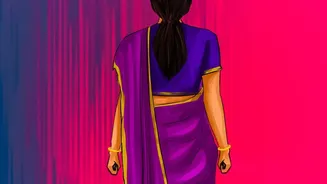
raw materials and markets. This system, while providing a path to sell goods, frequently left the artisans with meagre earnings that didn't reflect the skill, time, and cultural heritage embedded in their work. Geographic isolation, limited access to credit, and an inability to connect directly with consumer trends have kept many weaving communities in a cycle of low income and uncertainty. With women making up a significant portion of the handloom workforce, these systemic issues have also deepened gender-based economic disparities.
The Digital Thread
The promise of the digital age is to cut through this knot. In recent years, a wave of 'weaver-tech' initiatives has emerged, all falling under the umbrella of 'market access solutions'. In essence, this means using technology to bridge the vast gap between the artisan and the end customer. This takes many forms, from government-backed e-commerce portals like Indiahandmade.com, which offer a zero-commission model, to private platforms like GoCoop and iTokri that connect cooperatives and artisan families with a global audience. These platforms aim to dismantle the traditional chain of intermediaries, allowing weavers to gain more visibility, command fairer prices, and tell the story behind their craft directly.
More Than Just a Website
True market access, however, means far more than just creating a product listing online. The most effective solutions provide end-to-end support. This includes training weavers in basic digital literacy, helping with professional cataloging and photography, and managing the complex logistics of packaging and shipping from a rural village to a metro city or even another country. Some platforms are even experimenting with Artificial Intelligence to help weavers forecast demand, predict colour trends, and manage inventory more efficiently. The goal is to create a holistic ecosystem that doesn't just display a product, but empowers the producer with the tools and data needed to run a sustainable business in the modern economy.
The New Weave of Challenges
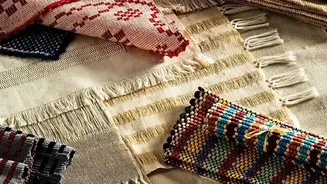
Digitisation is not a silver bullet. While it opens new doors, it also introduces fresh hurdles. The most significant is the persistent digital divide. Many weaving clusters are in areas with unreliable internet connectivity and electricity. Furthermore, there is a major gap in digital literacy, particularly among older artisans who may be less comfortable with smartphones and online interfaces. There's also the challenge of translating a tactile art form into a digital experience; a photograph rarely does justice to the intricate texture and feel of a handwoven textile. This makes it harder to compete with cheaper, machine-made imitations that flood online marketplaces.
Innovation at the Forefront
Recognising these challenges, the focus is shifting towards collaborative, tech-driven innovation. Recent events like the Handloom Hackathon 2.0 at IIT Delhi brought together innovators to create practical solutions for everything from loom modernisation to digital market integration. Winning ideas included AI-enabled platforms to support weaver livelihoods and new tools to simplify digital access. This aligns with wider government efforts. The Ministry of Textiles recently announced plans for a 'Digital Handloom Atlas', a platform to showcase GI-tagged products globally, which is set to be launched on August 5, 2026. These initiatives highlight a move towards a hybrid model—one that combines high-tech solutions with on-the-ground support and skill development, aiming to truly uplift the artisan community.